
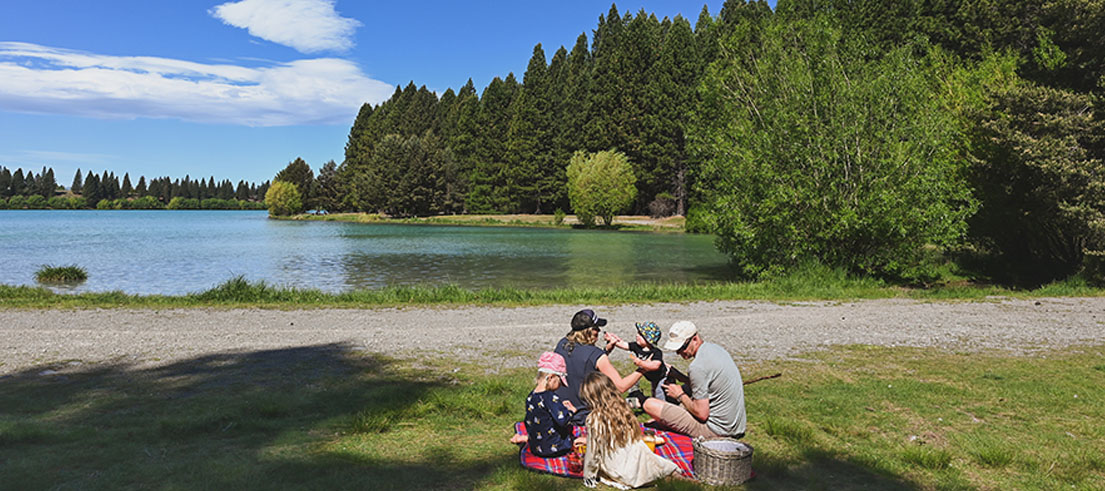
Love Our Lakes: Protecting Mackenzie and Waitaki waterways as visitor numbers set to climb
Stunning lakes, blue skies, and… thousands of visitors! With summer tourism set to boom in Mackenzie and Waitaki, Love Our Lakes is back to remind holidaymakers that we’re all responsible for taking simple steps to keep our iconic lakes healthy and waste free.
Tourism growth is forecast to continue throughout this summer, with international arrivals expected to fully return to 2019 levels by 2026*. Southern lakes like Tekapo/Takapō, Benmore, Ōhau and Ruataniwha are set to be busy locations, with the population in nearby towns like Twizel tripling over summer – from 1,700 to more than 5,000.
Our Council Deputy Chair Iaean Cranwell says the lakes are the heart of the Upper Waitaki catchment and, with visitor numbers climbing, we all have a responsibility to protect them.
“The Upper Waitaki catchment contains some of New Zealand’s most beautiful lakes, important mahika kai areas for mana whenua, and habitat for precious wildlife like native fish and birds – making it even more important for people to be environmentally responsible.
“We are helping to raise awareness through Love Our Lakes but this mahi is bigger than us. It’s about communities, visitors, and everyone who loves these lakes. If we collectively take small steps to reduce our impact we can look after them for future generations,” Deputy Chair Cranwell said.
Small steps to protect our waterways
Even small amounts of rubbish and chemicals entering waterways can degrade the habitat for plants and animals and contribute to poor water quality. When sewage or greywater enters lakes, it introduces harmful bacteria and nutrients that can trigger algal blooms, degrade water quality, and pose serious health risks for swimmers.
Since 2016, Love Our Lakes has been encouraging visitors to these iconic areas to respect the environment by taking small simple steps. These actions include using the toilets provided, taking away any rubbish, washing clothes/dishes away from waterways, and checking boating gear for aquatic pests.
The Love Our Lakes campaign was established by the Upper Waitaki Water Zone Committee, which recently came to an end as part of a transition to a new Leadership Group for the Waitaki catchment being established between Councils and Rūnaka.
This summer, we’re coordinating the campaign.
Deputy Chair Cranwell continued, “Love Our Lakes has been a cornerstone of lake protection since 2016 led by the Upper Waitaki Water Zone Committee and its inspiring representatives over the years. We’re pleased to coordinate Love Our Lakes while the new freshwater local leadership groups get started.”
Part of a bigger picture
While Love Our Lakes focuses on visitor impacts, we have other environmental projects underway in the Upper Waitaki area, including initiatives to reduce nutrient run-off from farming and restore wetlands in the Ahuriri catchment. These efforts involve working collaboratively with landowners to protect freshwater ecosystems, improve biodiversity, and ensure long-term resilience for the region’s waterways.
What to look out for this summer
Visitors will see targeted advertising, information boards, and posters at popular lake destinations, reminding everyone of simple steps to protect water quality. The campaign also runs through the Love Our Lakes Facebook page, which shares practical tips and ideas to reduce environmental impact—such as how to manage waste and avoid spreading aquatic pests. These resources make it easy for everyone to do their part.
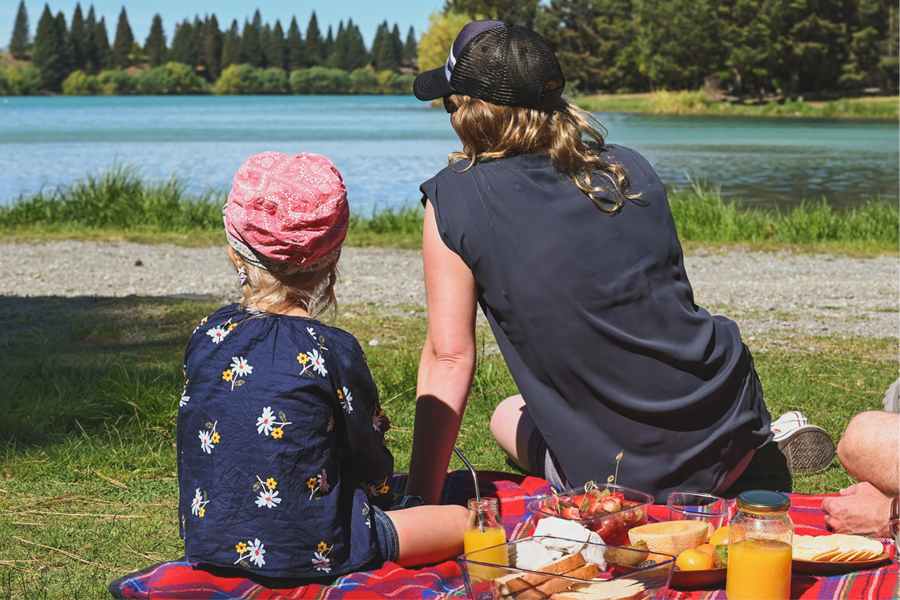
Love Our Lakes to protect them for future generations
How you can help
Simple steps to Love Our Lakes include:
- Use the public toilets, and plan toilet stops during the day
- Bin your rubbish, or take it home with you
- Wash clothes and dishes away from waterways
- Check, Clean, Dry your boating gear to stop the spread of aquatic pests
- Ensure you refuel boats/vessels without leaking into waterways, (and ideally do this on land away from lake margins).
Find out more tips and information about Love Our Lakes.
*Tourism Growth Roadmap - Ministry of Business, Innovation & Employment