
Top tips from a series of South Canterbury farming workshops
South Canterbury farmers upskilled on their environmental practices at a series of workshops in Glenavy in October and November. If you missed out – here are the top tips from each workshop.
The workshops were part of the Set For Spring series.
The first addressed the topic of soil moisture monitoring (SMM) and the workshops that followed were on establishing wetlands, effluent management, and silage pit management.
Each workshop was presented by an expert host:
- Jane Robb, an environmental consultant with over 20 years' experience, led the session on soil moisture monitoring.
- Dr Rebecca Eivers from Wai Kōkopu consulting ran the establishing wetlands wānanga (discussion).
- Donna McBeath, who has more than 10 years' experience in the dairy and environmental industry, hosted the effluent management and silage pit management workshops.
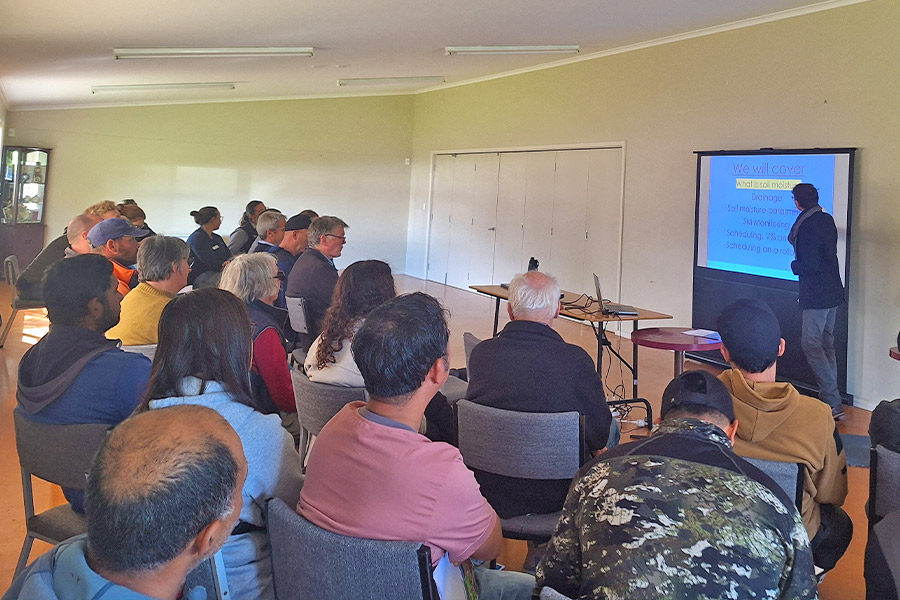
Experts led a series of workshops in South Canterbury
Top tips from the workshops
The workshop series was part of a wider Waikākahi project, aiming to identify and enable practical and sustainable land management practices alongside farmers, landowners and industry to achieve improved water quality outcomes.
The workshops offered education and upskilling to farmers in high risk/high reward management challenge areas, and gave solutions to, and exposure to new ideas.
“The events strengthened attendees’ existing knowledge or taught them new things they could implement to increase sustainability and efficiency,” said Senior land management advisor Jess Cochrane.
They also provided farmers with information on new technology that could assist with their farming practices.
Some of the key takeaways from each workshop included:
- Soil moisture monitoring workshop: Whether Farmers’ soil moisture monitoring was fit for purpose (i.e. the right kind in the right location with the right calibration). Attendees got a chance to ask Jane one-on-one questions about their SMM performance and calibration, and whether they should be requesting better service from their providers.
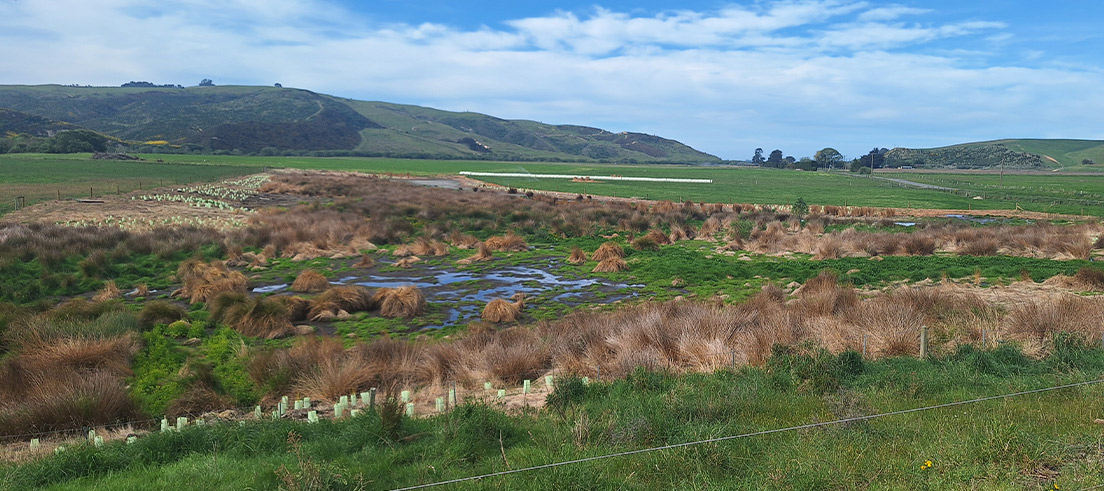
- Wetland restoration workshop: The kinds of wetland restorations that are possible and where constructed wetlands can fit well. Attendees were shown in-field examples of wetland areas and how to identify good potential sites on farms. Farmers also learned about the value of wetlands for denitrifying and improving water quality and how to spot sites on their farms which might already be denitrifying but could be doing it even better.
- Effluent management workshop: What good effluent management practice looks like. Those who went looked at a variety of examples and identified good systems vs systems that need improving. They were given the tools to identify where their own systems may need adjustment.
- Silage pit management workshop: What leachate is, how concentrated it is and how much is produced in a silage pit. The biggest takeaway was, even silage harvested at the optimal 25 per cent dry matter will still produce 30 litres of leachate per tonne of silage. Because it’s so concentrated, the key message was leachate is a resource farmers should want to capture so they can use it as fertiliser.
“These workshops showed the community we’re here to support them and acknowledge the intricacies of their individual farms and farm systems,” Jess said.
“Our water and land management advisors are keen to work collaboratively with farmers, landowners and industry on methods that improve water quality outcomes. These workshops also help our land management advisors build relationships with farmers and industry, and provide an ear or outlet for people struggling with regulations or specific issues. Improving environmental outcomes is and should be a collaborative process.”
Interested in a workshop in your area? Contact your local land management advisors.