
Tiny pellets, big problem: How Christchurch is fighting plastics in our waterways
Unannounced site visits to Ōtautahi Christchurch plastic manufactures have revealed significant improvements in the fight to prevent nurdle pollution — stormwater’s tiny microplastic foe.
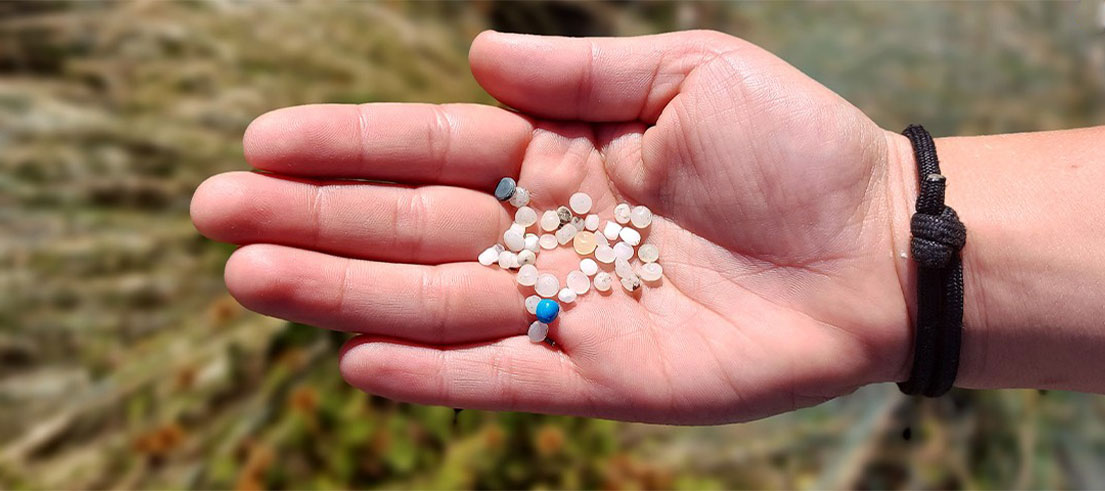
Nurdles are small plastic pellets used to make most plastic products, typically ranging from 2-5 mm in diameter. When they enter stormwater drains and flow into waterways, nurdles and other microplastics pose significant risks to marine ecosystems and public health.
Site visits help keep plastic out of waterways
In 2024, our compliance staff conducted a series of targeted visits to ensure businesses were doing their part to prevent plastics pollution.
Since then, follow-up visits show major strides are being made to keep plastic out of waterways. A total of 23 monitored sites have moved from high/medium priority to the low priority status in the last year.
Several companies are also stepping up to proactively prevent nurdle pollution by joining Operation Clean Sweep, a voluntary, industry-led certification and audit program that helps businesses to eliminate fugitive plastic loss and protect the environment.
Major improvements to estuary health
Better onsite practices are having a real impact on the health of Christchurch’s urban waterways.
A University of Canterbury (UC) student report comparing the number of nurdles found in 2021 and 2024 at five sites around the Ihutai Avon-Heathcote Estuary shows significant improvement:
-
South New Brighton: 137 to 116
-
Humphreys Drive: 1538 to 220
-
Sandy Point: 1227 to 263
-
Bridge Street: 446 to 102
-
Ferrymead Bridge: 292 to 154
This work was done in partnership with the Avon-Heathcote Estuary Ihutai Trust.
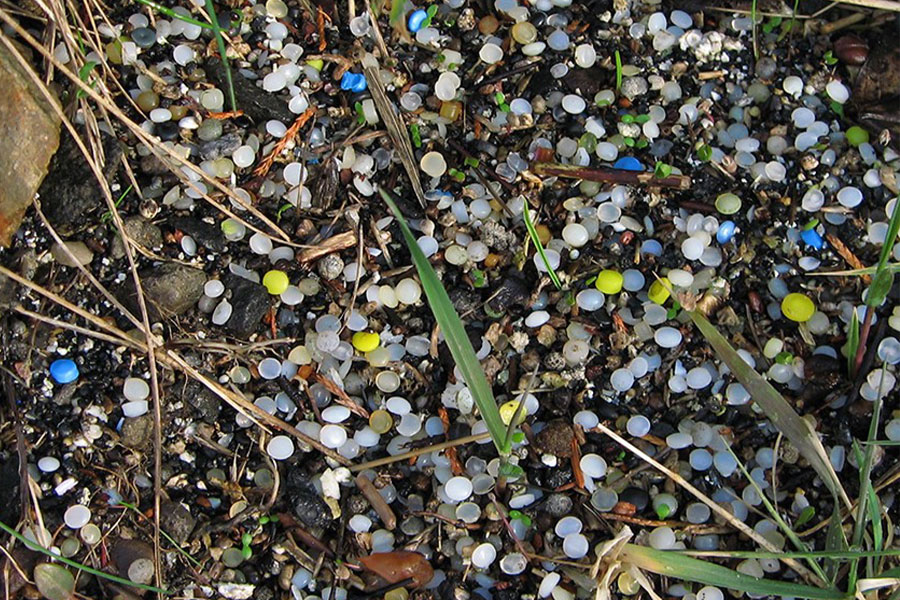
Nurdles may be small, but the can have a huge impact on the environment
Land management advisor Thomas Jansen said the project is a great example of what can be achieved when working collaboratively with community groups.
“It’s great to see all of the mahi and prevention work paying off.”
Another UC student is currently doing a report to see how these numbers have changed in the last year.
Educating industry to prevent pollution
Compliance officers use an educational approach with industry, offering practical advice to support companies in making simple but effective changes onsite to reduce the risk of nurdle and plastic pellet discharges.
Our staff recommend:
- installing fine-mesh filters on stormwater sumps
- using vacuum systems at workstations to deposit collected plastic directly into sealed disposal units
- lining large skips to prevent loose plastic from being blown or washed across sites during waste collection.
Small housekeeping improvements can also have a big impact. These include regular sweeping, ensuring spill kits are accessible, and storing raw materials under cover.
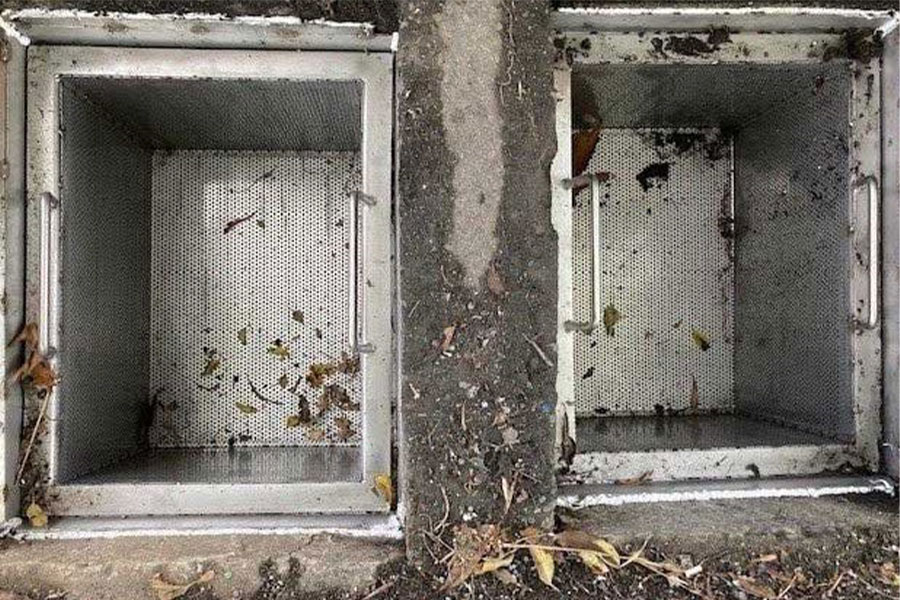
An example of a mesh filter on a stormwater sump
“Generally, we have found that these companies are quite keen on working with us,” said senior resource management officer Leigh Thomas.
“They are aware of the bad rap that the plastics industry has had and want to see improved environmental outcomes. We have encountered positivity and a cascade of companies voluntarily signing up, at additional cost to themselves, to Operation Clean Sweep certification and audits — something we are very supportive of.”
Our compliance team continues to monitor sites in Waitaha to ensure best practice is maintained and the environment, including our waterways, is protected.
More work to do
Work in the plastics industry? Talk to our compliance team about preventing plastic pollution — call 0800 324 636