A weedy week in Ōhau - Protecting a precious high country landscape
High in the Upper Ōhau catchment, where braided rivers, beech forest, and alpine wetlands meet, our biodiversity and biosecurity staff spent five days in February protecting a precious high‑country landscape from invasive weeds.
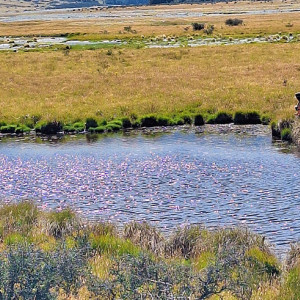
The area sits where braided rivers, beech forest and alpine wetlands meet, creating an important habitat for native species.
Led by senior biodiversity advisor Jenna Hughes-Games, the annual trip supports a longstanding partnership between Canterbury Regional Council (Environment Canterbury), the Department of Conservation – Project River Recovery, Glen Lyon Station, Lake Ōhau Station, and Land Information NZ.
Protecting an outstanding natural landscape in Upper Ōhau
The programme began in 2018 after a landscape-scale weed assessment identified key threats to the largely weed free conservation areas in the Hopkins and Dobson river valleys. As a result, the team focuses on preventing invasive species such as old man’s beard, cotoneaster, buddleia, wild Russell lupin, gooseberry, and rogue willow seedlings from becoming established in the area’s drylands, wetlands, and river margins.
Gina Slee, Team Leader South Biosecurity and Biodiversity, says the work is critical for maintaining the ecological health of the Upper Ōhau.
“This catchment is one of Waitaha Canterbury’s most unique and intact alpine landscapes. Staying on top of weed threats protects those values for the long term.”
The terrain demands flexibility and stamina - steep gullies, thick matagouri, boggy wetlands, and long days on foot. Staff used a mix of survey techniques and control methods to locate and remove isolated plants before they could spread further.
Partnering to protect biodiversity and biosecurity in the Upper Ōhau
Councillor Claire McKay, Environmental and Protection Core Service Lead, says the programme highlights the value of collaboration.
“This work shows what can be achieved when landowners, central government agencies, and the regional council work together toward a shared environmental goal.”
After eight years of sustained effort, the project is showing strong progress with reduced densities of several target weeds. Ongoing vigilance remains essential to protecting the Upper Ōhau’s natural character.
Learn more about how we manage invasive weeds and protect biodiversity across Waitaha Canterbury. 👉 Explore our biosecurity and weed control work
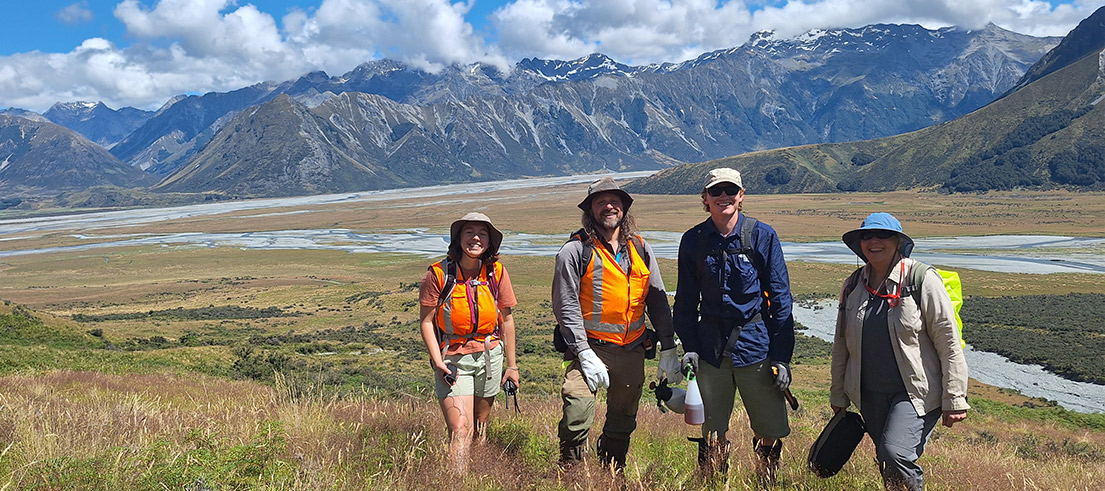
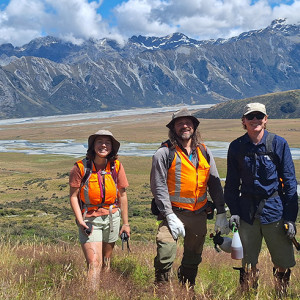
The control team Tilly, Jason, Will and Frances

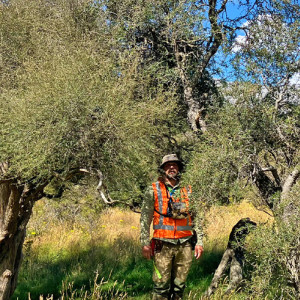
Big Olearia lineata and matagori
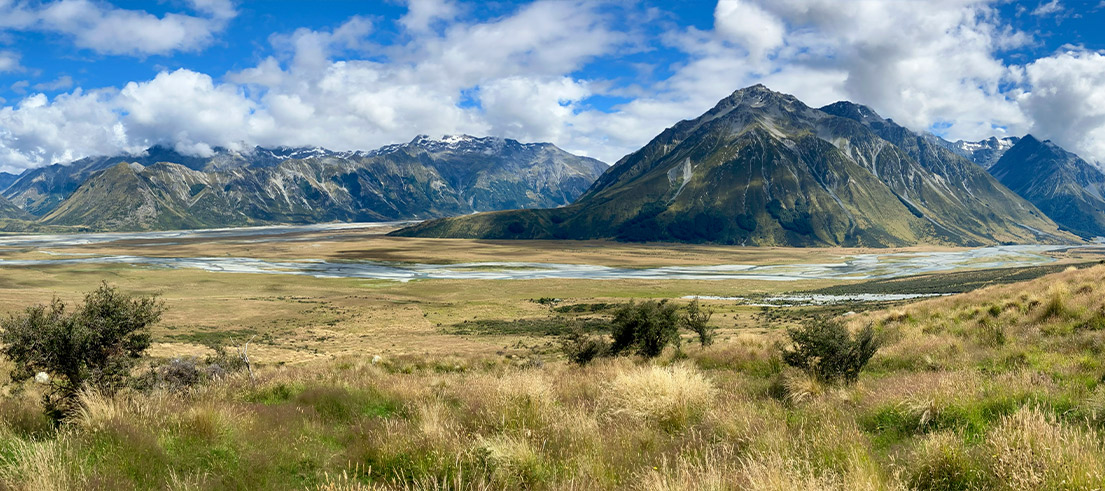
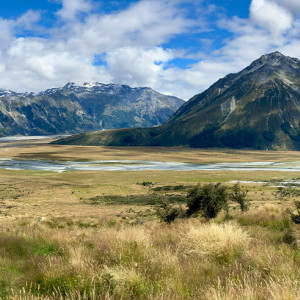
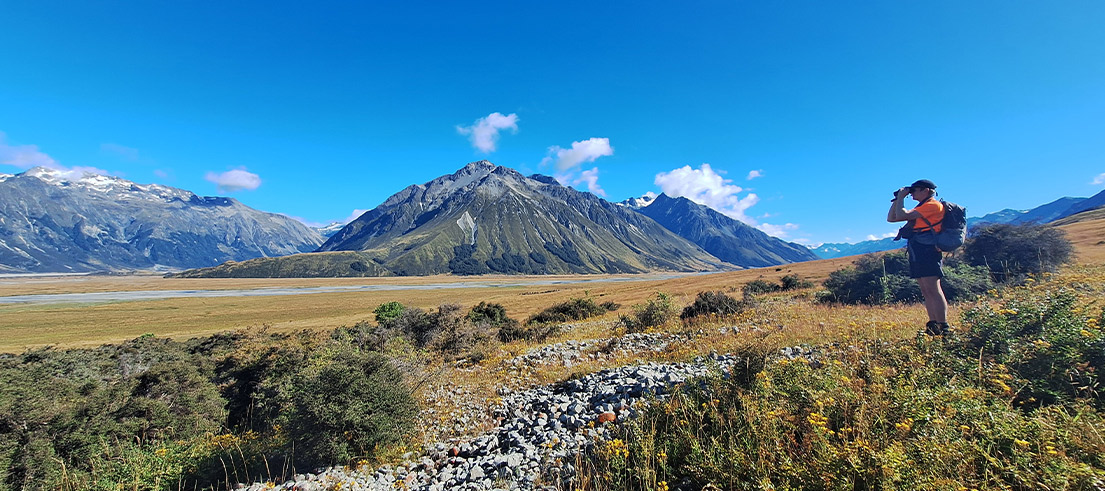
Confluence of Dobson and Hopkins River with Neumann Range

Confluence of Dobson and Hopkins River with Neumann Range
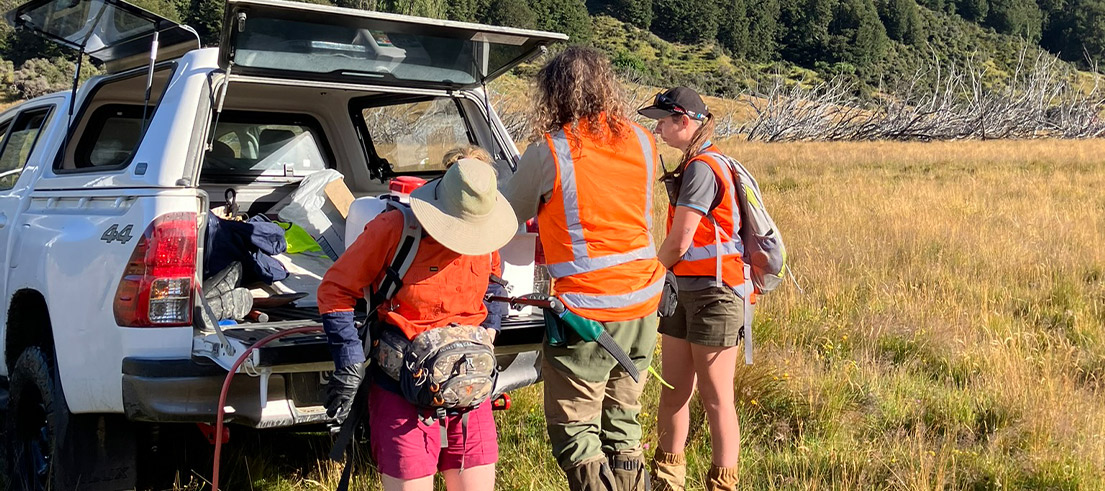
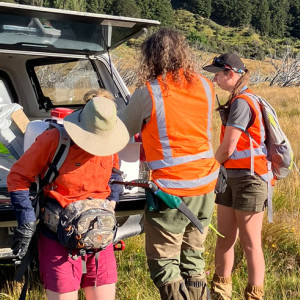
The team getting ready for weed control
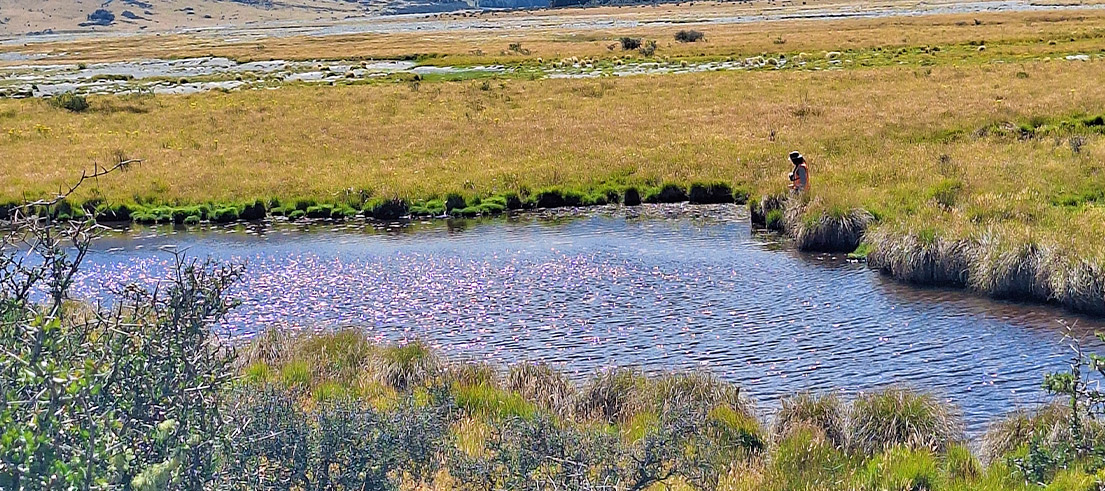
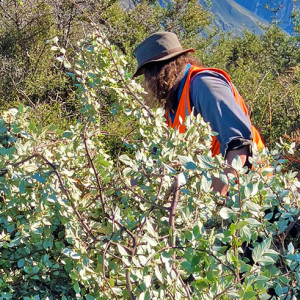
Jason with water broom a at risk declining species