

Councillors gather to discuss submissions on “consequential reforms”
“This is a big conversation and it’s going to transform local government and democracy, our economy, environmental management and the work we all do for our region.”
Those were the words from Canterbury Regional Council (Environment Canterbury) Chair Dr Deon Swiggs on Thursday ahead of a special workshop to discuss submissions the council is making in response to a host of Government proposals raised late last year.
“These are the most consequential reforms that New Zealand has faced for quite some time and there is a lot at stake” Chair Swiggs said.
Canterbury Regional Council plans to file submissions regarding rates capping, the Planning Bill and Natural Environment Bill, and Simplifying Local Government proposal.
Staff prepared the submissions in consultation with Councillors, and any feedback received during Thursday’s workshop would inform Council’s final draft submissions.
Swiggs acknowledged the recent work both Councillors and staff had done – including over the summer shutdown period.
“I really appreciate what everyone has done in this space, including conversations you’ve had with your communities, your papatipu, with mayors, fellow councillors and ministers – the work has gone on,” Chair Swiggs said.
“The proposals are complex and difficult to engage with in isolation. It’s important that as many people as possible get on the same page, because it’s not just regional governance that’s at stake here, it’s our environment, our livelihoods, our future.”
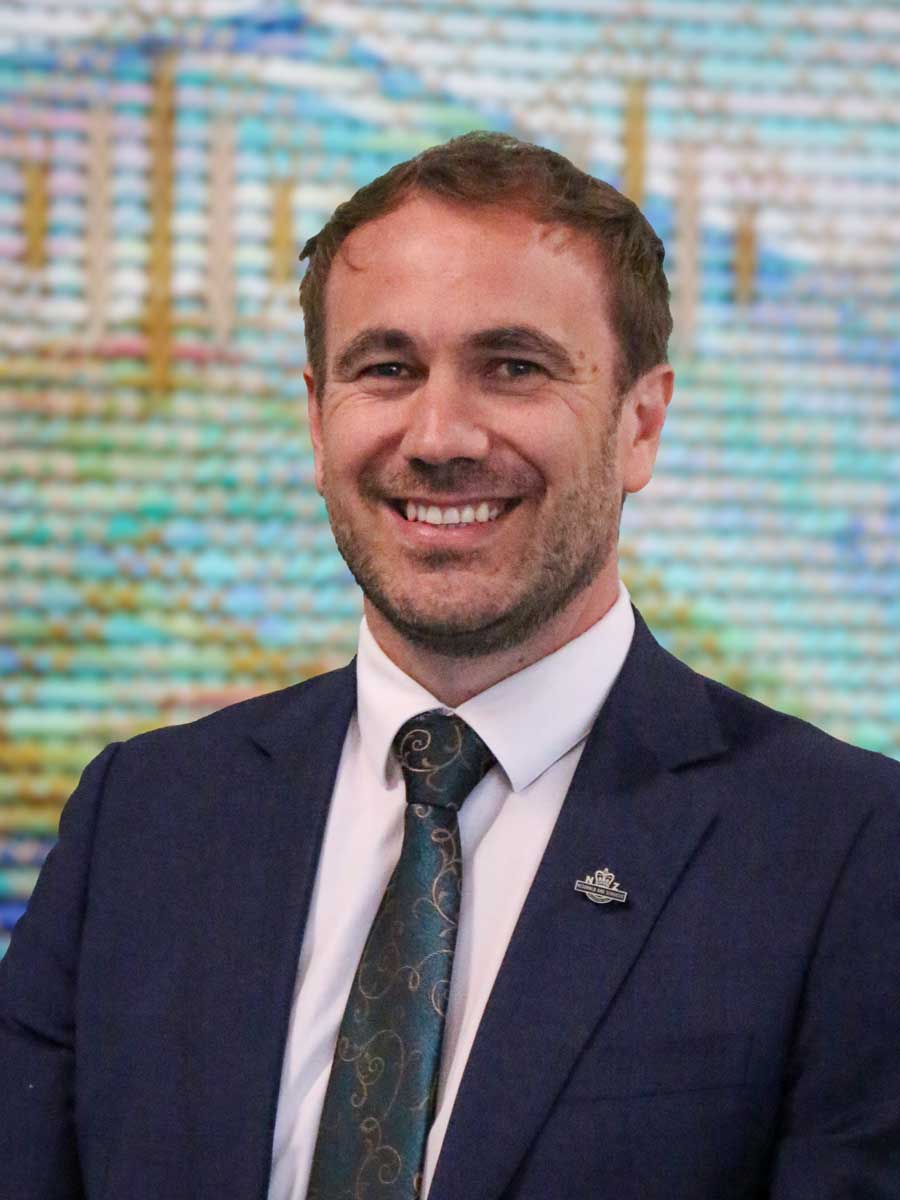
Dr Deon Swiggs, Chair Environment Canterbury
Rates capping
The Government has agreed to introduce a rates target model for local government, applicable from 1 July 2029 with a transition period from 2026. A preliminary target range of 2-4 per cent per year per capita is proposed.
The draft submission states that the Council “supports the need for financial accountability but does not support the model as proposed” and is “of the view that a rates cap will not lead to the outcomes the Government is seeking”.
Councillors debated the submission and shared their views, with feedback expected to influence the final submission. Of note was the reinforcement that financial discipline was important, with or without a rates cap.
It also recommends that emergency response and disaster recovery should be considered separately.
The Government is proposing a major overhaul of local government, including the abolishment of regional councillors and the creation of a board of mayors to collectively lead regional issues and take over current regional council roles and obligations.
The Council’s draft submission agrees that local government needs reform. We recommend regional councillors remain in office until the 2028 local elections to provide continuity of regional governance and support a stable transition during reform. The submission recommends a temporary governance arrangement of the district mayors that includes representation from regional council, mana whenua, and central government to make decisions on regional reorganisation.
It also recommends an amended timeframe to allow for greater clarity and more analysis to align with the resource management reform processes. It is a complex proposal, and time is needed to understand the cumulative impacts, including allocation of roles and responsibilities, costs to transition and implement, and funding and resourcing arrangements.
Councillors agreed that a stable transition is critical and the value of decision making at a regional scale should not be overlooked.
The submission goes on to say that Council is “significantly concerned” that the proposals limit mana whenua voice in regional decision-making and “critically undermine Ngāi Tahu rangatiratanga, historically recognised by the Crown through the Ngai Tahu Settlement Act”.
Deputy Chair Iaean Cranwell said Ngāi Tahu has gone through their Settlement and it’s important mana whenua continue to have a say in Waitaha while working alongside the regional council.
“Our partnership with Environment Canterbury is probably one of the shining lights of relationships with councils throughout the Takiwā of Ngāi Tahu. I’m concerned that if the Government removes Te Tiriti o Waitangi from the two Acts they’ll create more Treaty grievances,” he said.
Planning and Natural Environment Bills
The Government has proposed to replace the current Resource Management Act (RMA) with the Planning Bill and the Natural Environment Bill.
This will result in more centralised decision-making, stronger environmental limits, enhanced protection of property rights, and fewer plans and resource consents.
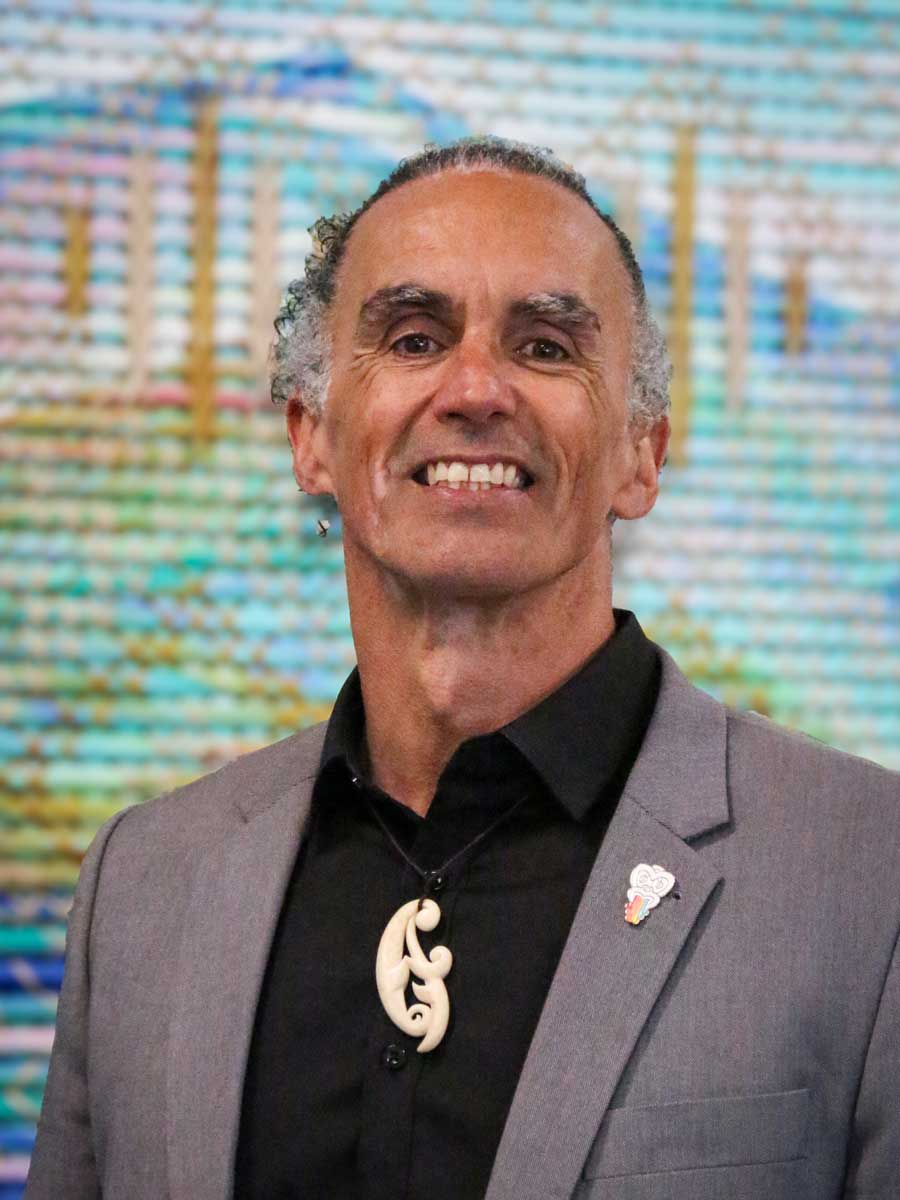
Iaean Cranwell, Deputy Chair Environment Canterbury
The Council’s draft submission agrees that the current Resource Management Act is no longer fit for today’s challenges, and that reform is “necessary and overdue”. However, there’s concern about a “shift towards centralised decision-making” that “will lead to a loss of voice for communities.
“For reform to be successful, it must work for the communities it serves by establishing an enduring framework that meets the needs of current and future generations.”
While Environment Canterbury supports many of the goals in the Natural Environment Bill, our submission states it should go further – requiring restoration and improvement of natural environments.
Under the Government proposals, local authorities would only handle a small range of tasks. Crucial decisions around policy, funding and planning, would be made by new spatial planning committees. Regional councils and mana whenua have invaluable perspectives so it’s crucial they are included in these new committees and are part of the decision-making for the long-term success of our region.
What’s next
The rates capping submission is due on 4 February and set to be endorsed under delegation by Chair Dr Deon Swiggs.
Planning Bill and Natural Environment Bill submissions are due on 13 February and Simplifying Local Government on 20 February. Both are set to be endorsed on 11 February by Environment Canterbury’s Strategy and Policy Committee.