Kirikōhatu opens as the Waimakariri River Regional Park’s first fully accessible space
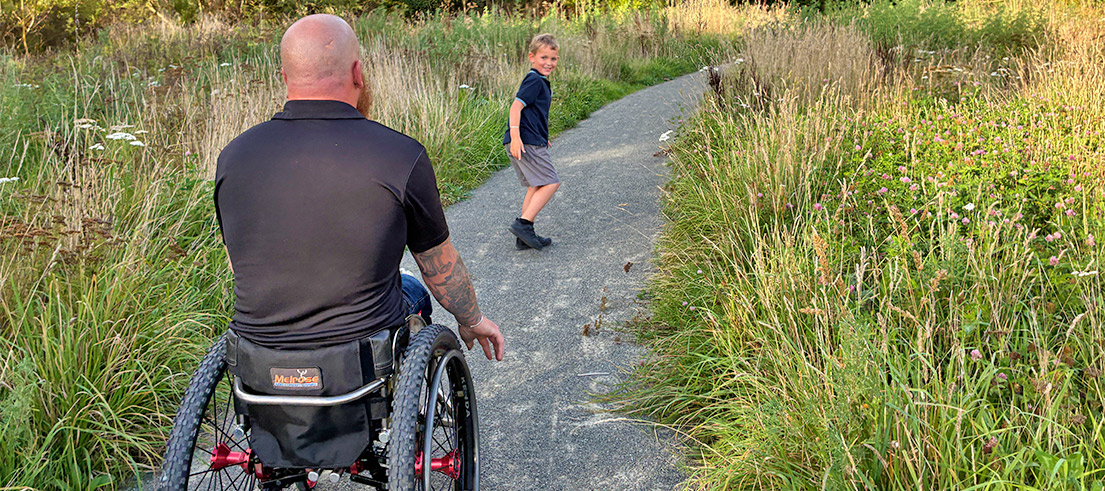
Kirikōhatu, a new fully accessible park in Waimakariri River Regional Park, is opening this weekend. Featuring a 1.2km wheelchair-friendly loop track, river views and picnic spaces, it offers a welcoming outdoor experience for people of all ages and abilities.
Once an industrial site, Kirikōhatu has been transformed into an accessible public space, creating new opportunities for the community to enjoy Waimakariri River Regional Park.
Kirikōhatu is the newest addition to the regional park, offering open space, river views and accessible paths that invite the community to explore and enjoy the river environment. It features a smooth 1.2km accessible loop track, so people of all ages and abilities can explore the park.
Opening to the public this weekend, it’s the first fully wheelchair‑accessible park space within the regional park network.
A new accessible space for the community
The name Kirikōhatu, meaning gravel and stones, reflects the site’s past. From the mid‑1970s, the area operated as a gravel storage and processing site, with little vegetation and no public access.
Over the past five years, the site has been carefully restored with support from the MBIE Tourism Infrastructure Fund. Thousands of trees and native plants have been established, transforming what was once a compacted industrial area into a welcoming riverside park for the community.
What you can do at Kirikōhatu
Kirikōhatu has been designed as a low‑key, everyday park, a place for walks, picnics, cycling, river viewing and time outdoors with whānau and friends.
Facilities include:
- A 1.2km accessible loop walking track
- Connections to cycling routes via the Templers Island Trail
- Picnic areas and seating
- River lookout platform
Taking community feedback on board, the park also includes an educational element. A self‑guided Agents of Discovery digital mission encourages families and visitors to explore the park while learning about the area’s environment and history.
“Kirikōhatu shows what’s possible when the community is involved. Together, we have created a park area that people of all ages and abilities can enjoy,” says Regional Parks Events and Information Coordinator, Gill Walsh.
Opening weekend celebrations
The new area of the park is opening just in time for the second week of the school holidays. It will be officially blessed on Thursday 9 April by Te Taumata Tapu o Ngāi Tūāhuriri.
On Saturday 11 April, locals, those who contributed feedback, and members of the disabled community will have the opportunity to explore the park.
This will be followed by the main opening day on Sunday 12 April. This will be open to everyone and include:
- All tracks and the river viewing platform open
- A self‑guided Agents of Discovery digital mission for families
- A sausage sizzle from 11am to 1.30pm (or while supplies last)
- Information boards with QR codes for maps, the app and safety tips
Plan your visit
- Location: Off Coutts Island Road via Dickeys Road, around 200 metres from the intersection. Get directions on Google Maps
- Track: 1.2km accessible loop walking track
- Access: Wheelchair-friendly paths
- Activities: Walking, cycling, picnicking, river viewing
- Connections: Links to cycling routes via the Templers Island Trail
Opening hours:
- October to March: 7am – 10pm
- April to September: 7am – 7pm
Learn more about Kirikōhatu →
What are regional parks?
Regional parks are areas of land that play an important practical role, like managing flood risk and protecting communities. The Waimakariri River Regional Park sits on land owned by Environment Canterbury for flood management and river protection under the Soil Conservations and Rivers Control Act.
Where it’s safe and suitable to do so, this land is also opened up for people to enjoy, creating welcoming public spaces where communities can walk, relax, connect with nature and spend time together. Kirikōhatu is the latest example of this approach.