
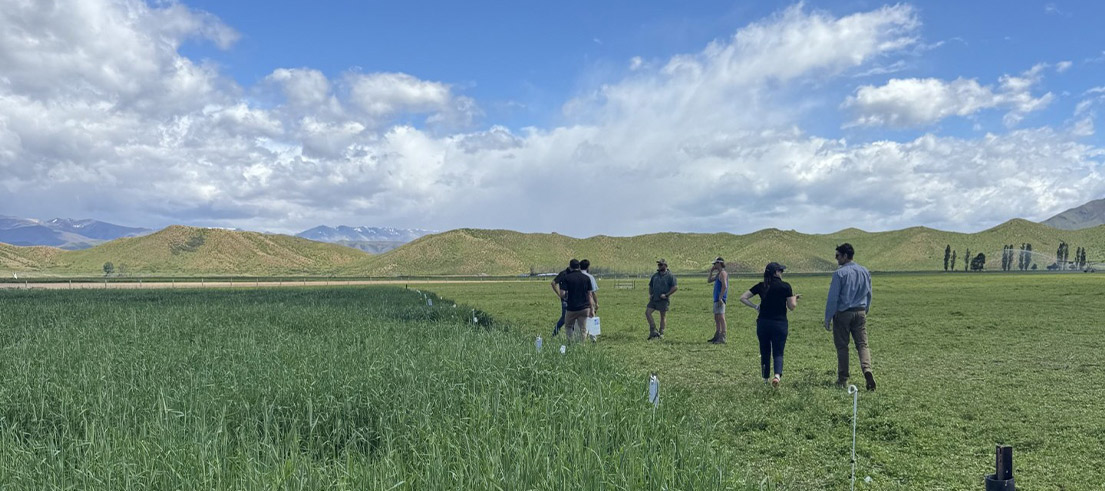
Upper Waitaki catch cropping trial shows early nitrogen reduction results
Early results from a catch cropping trial in the Upper Waitaki show promising reductions in soil nitrogen following winter grazing, with researchers reporting strong crop yields and nutrient uptake.
What the trial is testing
The Canterbury Regional Council (Environment Canterbury) is funding a two-year trial run by the Bioeconomy Science Institute in the cooler high-country climate, where the potential of catch cropping to reduce nitrogen (N) soil levels is not well understood.
Why catch crops matter
Previous research by Bioeconomy Science Institute in other parts of the South Island found catch crops can:
- Reduced nitrogen leaching by up to 60 per cent
- Reduce sediment runoff by around 40 per cent after winter forage crop grazing
- Increase forage production per hectare and farm productivity.
Early results from Upper Waitaki
In the Upper Waitaki study, three farms within a 20-kilometre radius of Ōmarama were planted with catch crops of forage oats, ryecorn, Italian ryegrass and/or tetraploid hybrid ryegrass in August 2025.
By December 2025:
- Best yield produced was 9.3 t DM/ha from a crop of forage oats and Italian ryegrass
- The same crops had the highest nitrogen uptake 76kg /N/ha.
These results suggest catch cropping could play a role in helping high-country farmers reduce nitrogen losses.
Lead researcher Brendon Malcom said first year results were in line with other high-country trials, with strong yields and nitrogen uptake.
"Farmers were also very encouraged by what they saw, and we were having conversations about how they could make this practice work in their systems.
Brendon says it would be interesting to see how the crops perform in the second year of the trial, particularly if there was a cold, harsh winter or spring in the Mackenzie.
Learn how catch cropping is performing in the Upper Waitaki and what it could mean for your farm.