
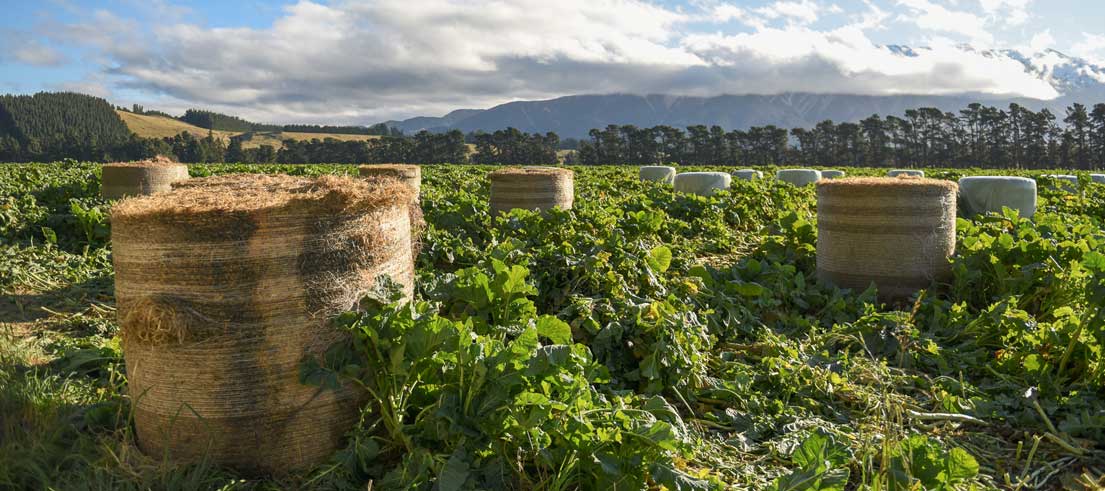
Winter grazing this year? Get ahead of the wet season
With less than a month until winter grazing is in full swing, ensure your plan is robust to protect your land during the wet season.
Winter grazing can be a high-risk activity. It's important that potential impacts, such as contaminant runoff and nitrate loss to groundwater, are carefully managed to protect water quality and maintain soil structure.
All farms undertaking winter grazing must have a Winter Grazing Management Plan (Permitted Activity farms) or Farm Environment Plan (FEP) (Farming Land Use consent).
Key mitigations to protect your land:
- Identify critical source areas and keep them in pasture to slow water flow.
- Leave an unfertilised strip as a buffer zone beside creeks, drains and storm water flood zones. Allow more distance as slopes become steeper to prevent erosion and reduce run-off.
- Back-fence stock off the land that has already been grazed to protect soil and reduce run-off.
- Ensure stock have alternative water sources (such as portable troughs) to reduce animal movement and keep them away from waterways.
- Strategic grazing and careful management of critical source areas can reduce losses of sediment and phosphorus (P) by 80–90 per cent.
- In wet conditions, practice on/off grazing to minimise pugging damage to the soil and distribute nutrients from dung and urine more widely.
- Re-sow paddocks quickly after grazing. Catch crops like oats can help absorb excess nutrients and stabilise the soil.
South Canterbury workshops
If you’re in South Canterbury, we’re running a bunch of workshops this month and next with industry groups — including Beef+Lamb NZ, DairyNZ, DeerNZ and the Ministry of Primary Industry’s On Farm Support team — to answer all your winter grazing questions.
Our land management advisory team will share practical examples and on-farm tips to prepare you for winter ahead of adverse weather events.
We’ll cover a practical breakdown of:
- critical source areas
- buffer zones
- strategic grazing
- planning for wet weather
- portable troughs and back fencing
- winter grazing innovations.
Join a winter grazing workshop
- 9 April (Thurs) 10am to 12pm — Temuka Alpine Energy Community Centre, Temuka
- 14 April (Tues) 1pm to 3pm — Mackenzie Community Centre, Fairlie
- 21 April (Tues) 1pm to 3pm — Hunter Hall, Otaio/ Waimate
- 28 April (Tues) 10am to 12pm — Pleasant Valley Hall, Geraldine
- 30 April (Thurs) Combined with dead-stock composting workshop
- 10am to 1.30pm — Ikawai Hall (farm visit and lunch included)
- 7 May (Thurs) 1pm to 3pm —Kurow Memorial Hall, Kurow
- 12 May (Tues) 1pm to 3pm — Albury Hall, Albury
- 14 May (Thurs) 10am to 12pm or 2pm to 4pm — Omarama Hall, Omarama
- 20 May (Wed) 10am to 12pm — Pleasant Point Town Hall, Pleasant Point
A certificate of attendance will be provided for all attendees of the workshops to support farm audits. Hot drinks and snacks will be provided.
Secure a spot at a location nearest you by filling out an RSVP form.
Got questions mid-season? Visit our drop-in sessions
- 17 June (Wed) 2pm to 5pm — Waimate Library, Waimate
- 1 July (Wed) 2pm to 5pm — Geraldine Library, Geraldine
Want to know more?
Contact senior land management advisor Maria Captein on email maria.captein@ecan.govt.nz or phone 027 275 7907.
Why is a winter grazing management plan important?
A winter grazing plan helps you identify and work through risks and mitigation options, while giving you the opportunity to reflect on the previous season and incorporate your learnings.
There are several plan templates and checklists available from industry, including DairyNZ, Fonterra, Beef + Lamb NZ, DeerNZ and Ministry for Primary Industries (MPI).
If you need support with your winter grazing plans, our Land Management Advisors are available to help.