

Canterbury front of mind as reforms progress
Canterbury Regional Council (Environment Canterbury) has formally proposed an alternative to the Government's local government reforms, warning that rushed, one-size-fits-all changes risk destabilising New Zealand's economic engine at a critical time. The Simplifying Local Government proposal and resource management reforms represent the most significant structural change to local democracy in 40 years.
Canterbury Regional Council is calling on central government to ensure upcoming reforms strengthen the ability of regions to respond to environmental challenges and stay closely connected with their communities.
Canterbury Regional Councillors met on Wednesday 11 February 2026 to finalise submissions on the Simplifying Local Government proposal and on the Planning and Natural Environment Bills, which will shape how communities are represented and how land, water, air, and the wider environment will be managed in the future.
Canterbury needs regional approach
Chair Dr Deon Swiggs said that while reform to local government and the resource management system is needed, it must recognise Canterbury’s unique environment and support locally informed decision making.
“Canterbury is New Zealand's largest region, and the South Island's economic engine, managing flood protection networks worth $234 billion, complex water allocation across 70% of the country's groundwater, and biosecurity across 44,500 square kilometres. This scale and complexity cannot be managed as a side-project while regional reorganisation and RMA implementation takes place.
“The Council supports change that delivers long‑term outcomes for the people and environment of Waitaha Canterbury. But to be effective and affordable, decisions must be made at the right level. Transport networks, river health and pests don’t stop at district boundaries. They require coordinated, region‑wide solutions,” Chair Swiggs said.
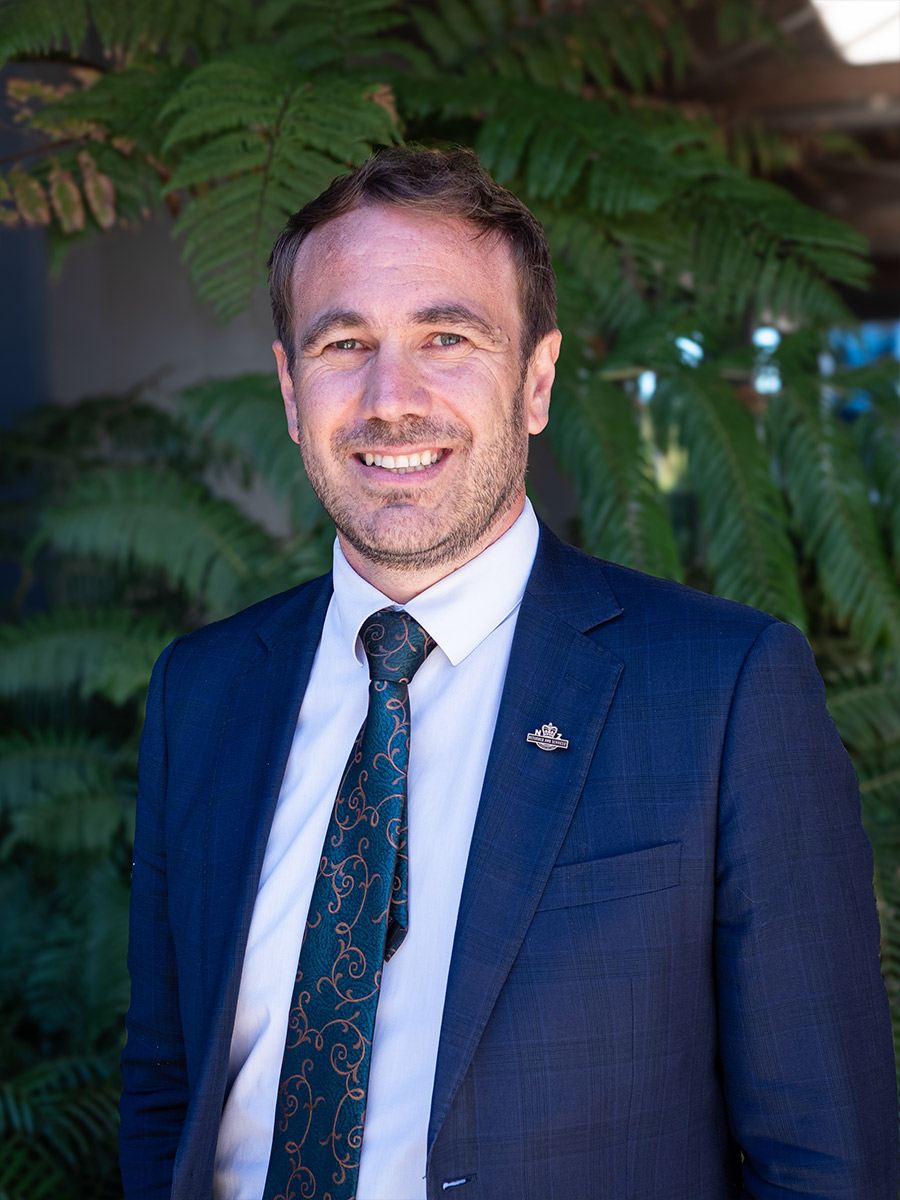
Dr Deon Swiggs, Chair Environment Canterbury
Proposed joint governance group
Chair Swiggs said the Council is recommending a joint governance group to develop a plan to reorganise Canterbury’s local and regional governance.
“This group should bring together Canterbury Mayors, Canterbury Regional Council, Ngāi Tahu, and central government. It must also engage with all communities across Canterbury. Collaboration is essential to coming up with a system that’s fit for our future and getting the transition right,” Chair Swiggs said.
While this work is underway, and to ensure continuity and a stable transition, the submissions recommend that Regional Councillors remain in their roles until the end of the current council term, or until a regional reorganisation plan is in place, whichever comes first.
Representation and Te Tiriti commitments
Deputy Chair Iaean Cranwell said any future system must remain grounded in local representation and Te Tiriti o Waitangi.
“The system must protect meaningful community participation and uphold the Crown’s commitments to Ngāi Tahu. We can’t afford reforms that sideline the voices closest to the issues,” Cr Cranwell said.
Concerns about cost and transition
Canterbury Regional Council’s submissions also raise concerns about the cost of reform.
“Whānau and Councils face rising costs and tighter financial settings. None of us can afford to get transition wrong. We need clarity from Government on cost impacts and a phased transition. Implementation can’t be left as an afterthought,” Cr Cranwell said.
Chair Swiggs said Canterbury Regional Council will continue to meet all its legal responsibilities throughout the reform period and the Council's submissions offer Government a constructive alternative to rushed reform.
“We're not saying no to change - we're offering a proven pathway to success. Canterbury has demonstrated leadership on complex challenges through our water management strategy, our partnership with Ngāi Tahu, and our regional coordination.
“Our submissions reflect a simple message: we owe it to our communities and future generations to get these reforms right. We are committed to implementing thoughtful, well‑aligned, properly supported reform that delivers better outcomes for people, the environment and the economy” Chair Swiggs said.
Download the Council’s submissions
- Canterbury Regional Council submission on Simplifying Local Government proposal February 2026 (PDF file, 562.06KB)
- Canterbury Regional Council submission on the Natural Environment Bill and Planning Bill (PDF file, 779.08KB)
Find out more about our position, along with submissions on Government’s rates capping proposal and the new Emergency Management Bill. Visit our response to central government local government and resource management reforms page.