

Local voice isn’t optional
Local government reform in New Zealand has been signalled for some time, and in Canterbury we have been preparing for it. The Government’s recent announcement is therefore not a surprise given the latest updates. The focus now is on how we move forward - carefully, constructively, and with a clear focus on the long-term wellbeing of our communities.
Core regional council services remain local
The government has confirmed that core regional council functions outside of the Resource Management Act will remain within local government.
These include flood protection, emergency management, biosecurity, environmental regulation, and public transport.
These are essential, place-based services that depend on strong local knowledge, trusted relationships, and coordinated delivery across land, water, infrastructure, and communities.
Why regional scale matters in Canterbury
That complexity is especially evident in Canterbury. Ours is a geographically diverse region, with interconnected river catchments, fast-growing urban areas, and highly productive rural land.
Delivering effectively across these systems requires scale, coordination, and continuity.
Retaining these functions locally and across catchments helps ensure decisions stay close to the people and places they affect with enough scale for the wellbeing and safety of our people and economy.
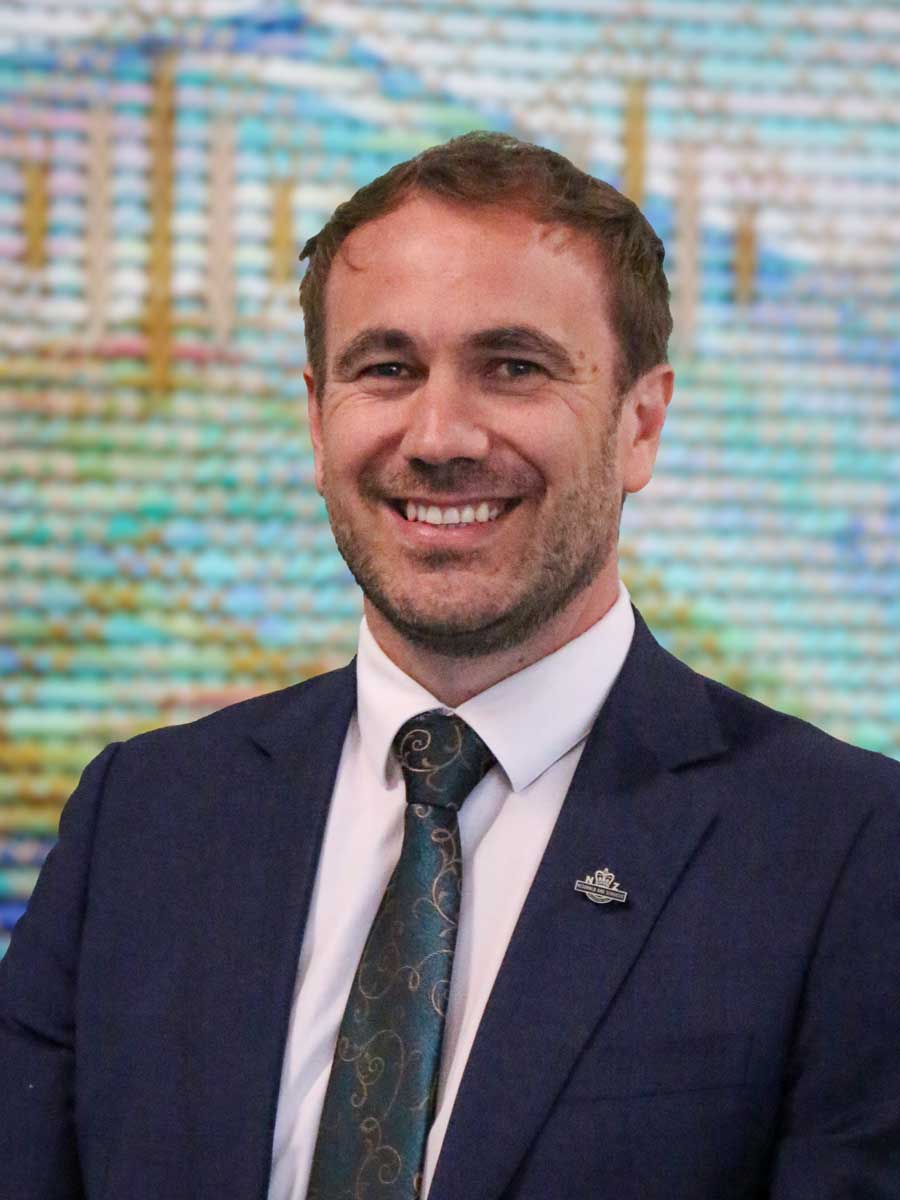
Dr Deon Swiggs, Chair, Canterbury Regional Council
Stability and continuity through to 2028
The Government’s decision provides short-term stability. Councillors will remain in place until the 2028 elections, allowing councils to stay focused on delivery rather than immediate structural uncertainty.
This continuity is important for staff, partners, stakeholders, and communities who rely on consistent services and direction.
What local government reform could mean for Canterbury
Both the ‘Head Start’ and ‘Backstop’ pathways point toward larger unitary authorities that combine regional and territorial roles.
For Canterbury, this raises significant questions about how future governance might be structured.
Options could range from a single regional entity to multiple authorities reflecting distinct geographies, such as Greater Christchurch alongside northern and southern areas.
Each comes with trade-offs, particularly in balancing efficiency with strong local representation.
Protecting local voice and representation
At the centre of this conversation is a critical principle: local voice must not be lost. Communities up and down our region, from Kaikōura to Waitaki, have distinct identities and needs.
Any future system must ensure those voices are heard. Without that, reform risks losing legitimacy and public support.
Tight timeframes and practical challenges
Timing is a concern. A three-month window to develop proposals is challenging for a large and complex region. Meaningful consultation takes time. If we rush, we risk getting it wrong and these are decisions that will shape our region for decades.
At the same time, councils must continue delivering essential services and planning for the future, even as the system around them may change. That creates practical challenges.
Opportunities for a simpler, more effective system
There is, however, opportunity in reform. The key is to approach change pragmatically - recognising the Government’s direction while ensuring solutions are workable and tailored to regional realities.
Canterbury Regional Council will continue to focus on and deliver for our communities. We will work closely with partner councils, mana whenua, and central government to shape practical, evidence-based solutions.
The message from Canterbury is clear: our work continues and we are ready to engage. We support a simpler system, but not at the expense of local voice or effective delivery. Getting this right matters far more than getting it done quickly.
Stay up to date: Get updates on our response to central government reforms and what this means for Canterbury.