
Proud of Canterbury? Have your say on a Government proposal
Regional governance is the capability to plan, fund, and deliver decisions and services that work at the scale of the region, across council boundaries, with clear accountability for results.
The Government’s Simplifying Local Government proposal would remove regional councillors and replace them with boards made up of local mayors. The intention is to reduce duplication and simplify governance.
But one core issue is left hanging: when problems cross district boundaries, who is responsible for joining the dots and leading the regional response?
The challenges being overlooked
Waitaha Canterbury faces some complex regional issues including cross boundary water challenges, sea level rise and erosion along its coastline, climate-driven intensive rainfall events, housing markets that span multiple districts and tourism pressure on small communities where the impacts are local but the benefits are regional.
These issues don’t stop at district lines. They require coordinated planning and long-term investment but no single district can realistically fund or manage major shared needs on its own. Yet the Government’s proposal has the potential to weaken, rather than strengthen, the ability to deliver regional coordination.
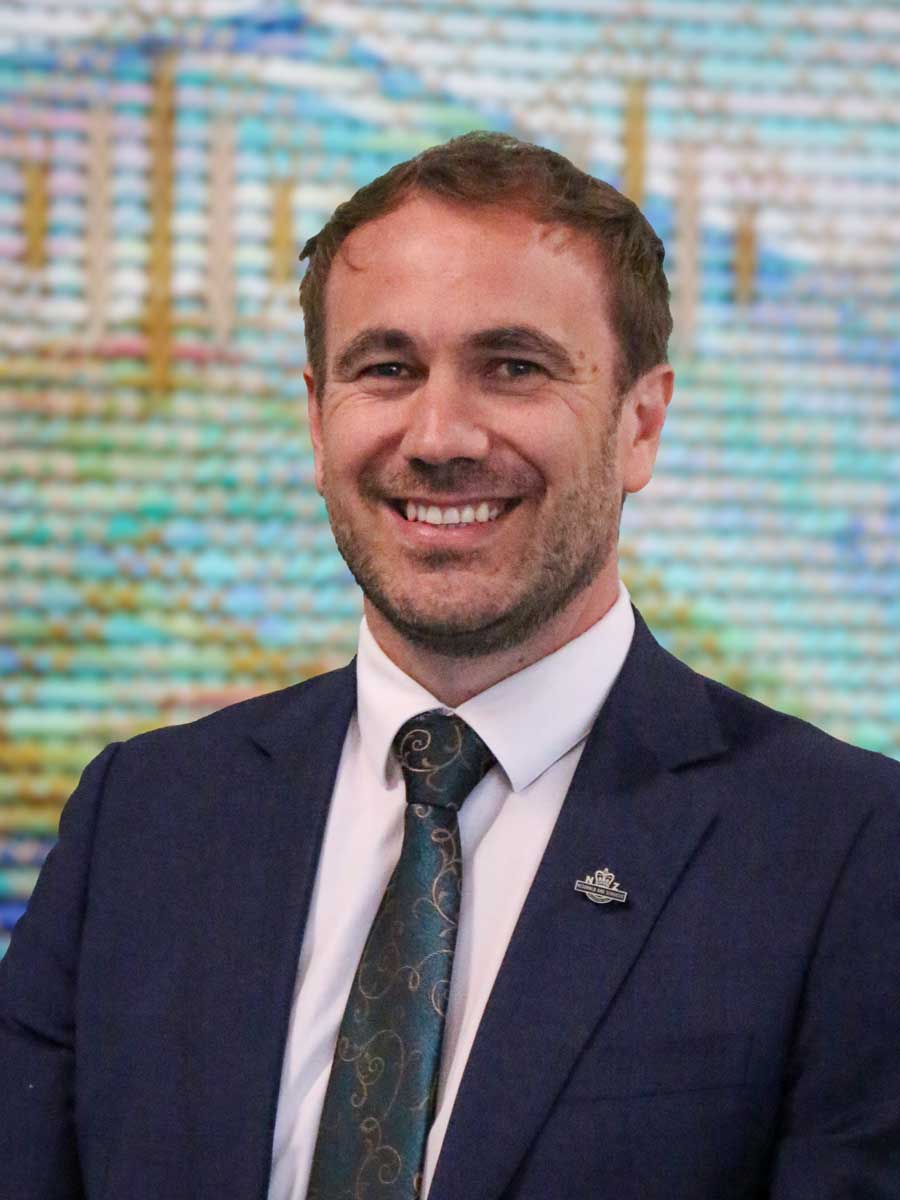
Dr Deon Swiggs, Chair Environment Canterbury
As Chair of Environment Canterbury and the LGNZ regional sector, I support reform. But reform should build the capability needed for regional challenges, not remove regional governance because fixing the challenges is difficult. Before making irreversible structural changes, we should ask whether the proposal achieves its stated goals.
What the proposal changes
The Government proposes:
- Eliminating regional councillors, replacing them with mayors who already have demanding full-time jobs.
- Mayors to delegate regional work to ward councillors, raising obvious questions about capability, mandate, and accountability for complex regional decisions.
A weaker regional voice
Canterbury currently has 16 regionally-mandated representatives, including Ngāi Tahu. Under the proposal, the region would have 10 mayors, and possibly Crown commissioners or ministerial appointees, with no one elected specifically for regional responsibilities.
What real reform should address
New Zealand needs clarity on what should be coordinated regionally: long-term capability for climate adaptation and infrastructure investment; stronger mechanisms between local and regional governance; and genuine democratic accountability for regional decisions.
Reform is needed. The real question is whether we strengthen regional capability or dismantle it without solving the problems that really matter.
Have your say: Have your say on the Government's proposal. Submissions close 20 February 2026