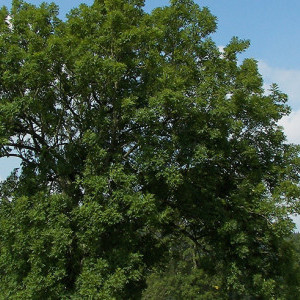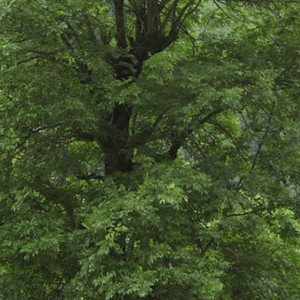
European ash is a deciduous tree less than 30m tall, with irregular branchlets with corky white pores, and large, black leaf buds. It outcompetes native species.
Description
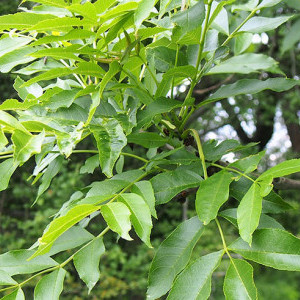
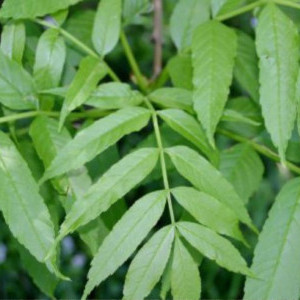
- Large leaves are made up of 9-13 pointed leaflets (less than 10x3.5cm) with serrated margins.
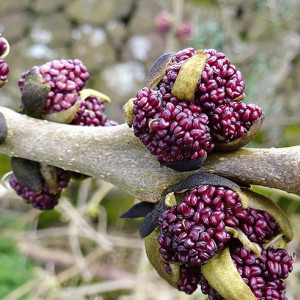
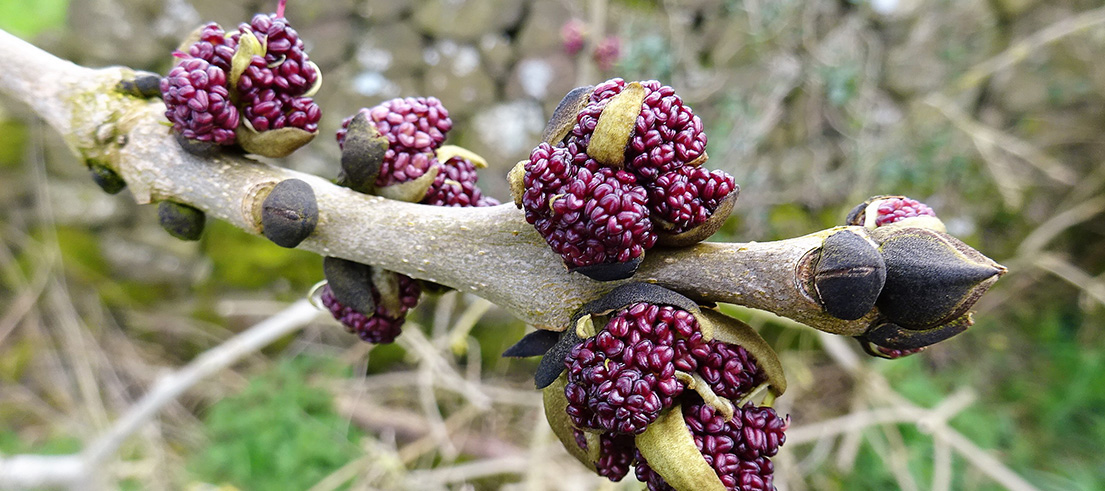
- Flowers are small and purple without petals, appearing in dense clusters (September-October).
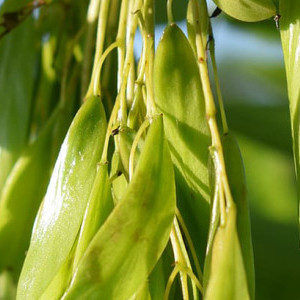
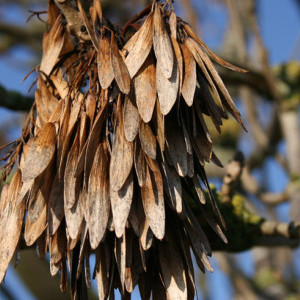
- This is followed by seeds with a wing attached to one end.
- Seeds mature in autumn and are dispersed by wind.
- Habitats include river flats, forests, shrublands, scrub, and wastelands.
What you need to know
Competes with native species for space, and shades smaller plants and trees.
Management approach
Community Led
These organisms have not been legally declared as pests but may be of interest to the public as they occur regularly in the environment. They may be capable of causing adverse effects to the values of Waitaha/Canterbury.
Consider removing this invasive species from your property and consult your local council for appropriate disposal. Consider lower-risk alternatives for your garden, such as native plants.
Control
Site management
Monitor the site and treat any regrowth from the trunk or seedlings. Search out and remove the source of the infestation. Where appropriate plant native trees or shrubs to produce shade.
Physical control
Hand-pull or dig out seedlings and small saplings (all year round): Mulch.
Plant parts requiring disposal: seeds.
Contact your local council for appropriate disposal locations.
Chemical control
Cut trunk and paint stump (all year round): cut trunk near to the ground, and swab freshly cut stump with metsulfuron-methyl 600g/kg (5g/L).
Bore and inject (all year round): drill holes 20cm apart around the trunk and inject each with 2ml metsulfuron-methyl 600g/kg (20g/L).
Overall spray (spring-summer): metsulfuron-methyl 600g/kg (5g/10L + penetrant).
Biological control
Biological control is currently not available for this species.
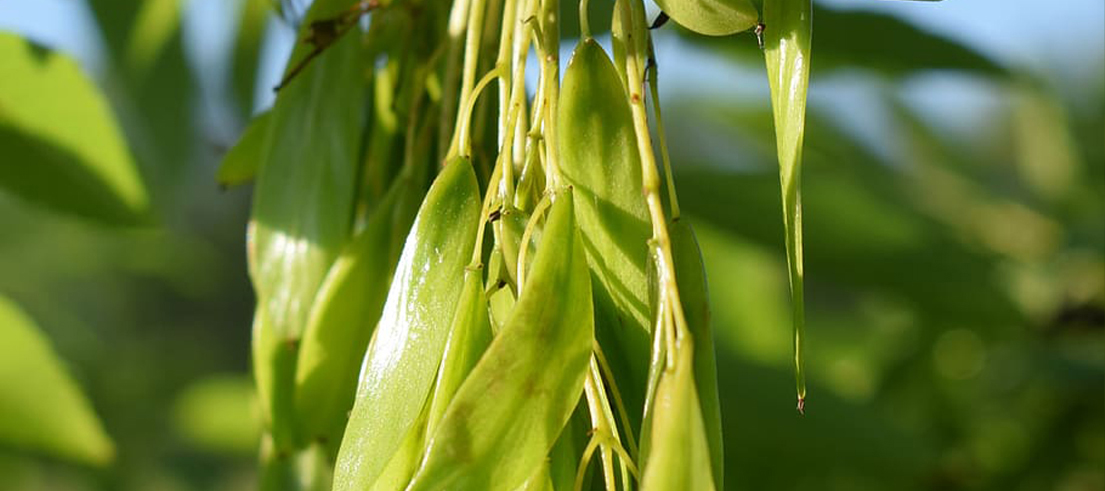
Seeds

European ash. Photo credit: Agnieszka Kwiecień

European ash. Photo credit: Willow
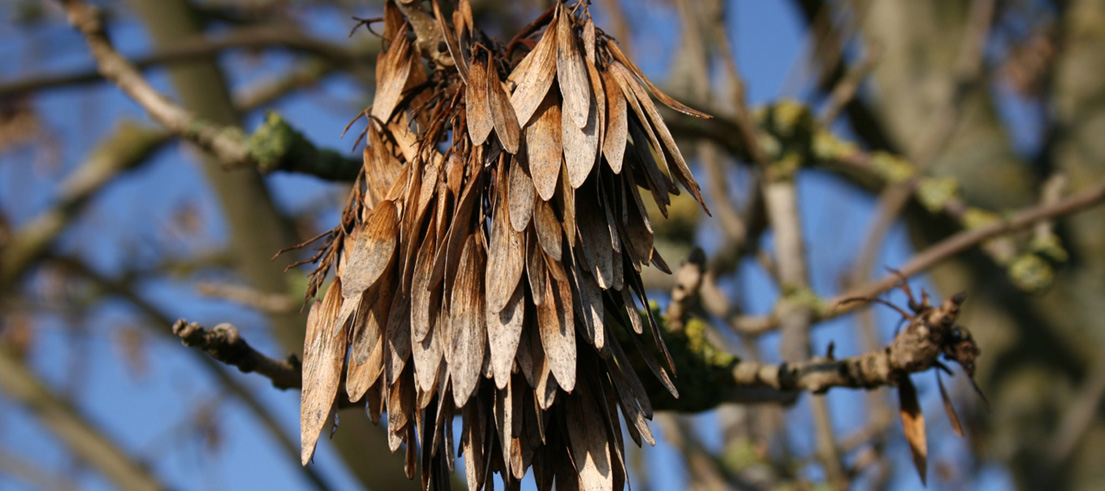
European ash. Photo credit: Sten Porse

European ash. Photo credit: Sten Porse
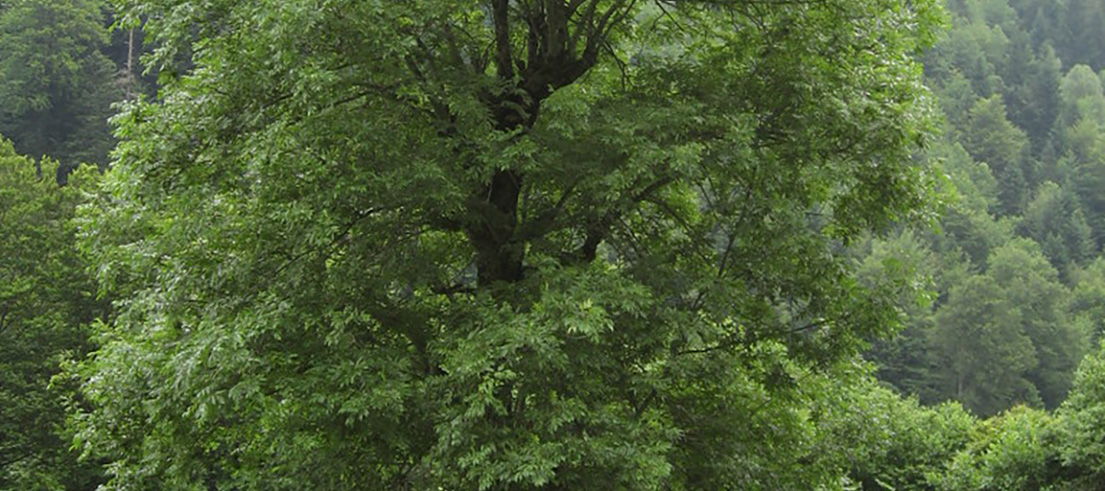
European ash. Photo credit: Joan Simon
Flowers. Photo credit: Rosser1954