
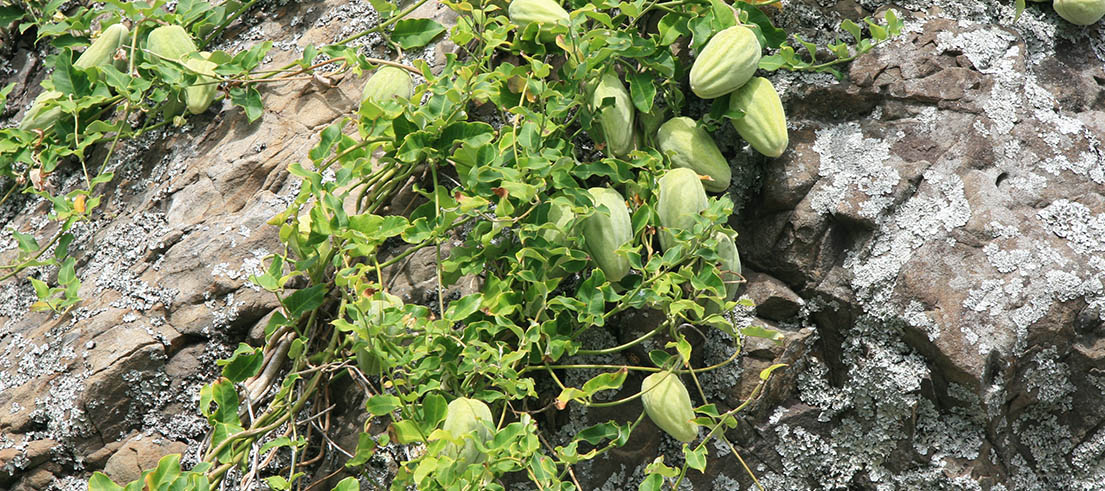
Moth plant smothers native vegetation, preventing the establishment of other seedings. All parts of the plant are poisonous, and stems produce a milky sap. The leaves and roots can cause skin irritation.
Description
- Climbing vine reaching up to 10m tall.
- Stems are twining, flexible and woody towards the base. They produce a poisonous milky sap.
- Leaves are hairless with a dull green top and grey downy underside.
- Flowers are white and bell-shaped with occasional pale pink streaks. Flowers are visible between December – May.
- Seed pods are a very distinctive pear shape and are thick and leathery containing many black thistle-down seeds.
- Seeds are dispersed by wind and water.
- Habitats include forests, forest margins, tracks, coastlines, cliffs, shrublands, mangroves, wastelands, orchards, and urban gardens.
Do not confuse moth plant with the edible vegetable, choko (as known as chayote). Moth plant is not edible, and all parts of the plant are poisonous.
What you need to know
Smothers native vegetation and prevents the establishment of seedlings. Potential to catastrophically impact forest structure. Poisonous milky latex in stems, leaves and roots can cause dermatitis.
Management approach
This is a declared pest managed under the Canterbury Regional Management Plan 2018 – 2038 (PDF file, 10.6MB) within the eradication programme.
Eradication
Pests in the eradication programme are present in low numbers or have limited distribution within Waitaha/Canterbury and eradication is feasible.
The community should make us aware of any moth plants in Waitaha. We will work with affected landowners to undertake control of moth plant.
Moth plant is also declared an unwanted organism by the Ministry for Primary Industries (MPI) because it is capable of causing harm to the natural environment, physical resources or human health in Aotearoa/New Zealand.
These species pose a high risk to our environment, economy, recreation, and cultural values.
Rules
Any species declared a pest cannot be sold or be in a place where plants are being sold. Pest plants cannot be propagated, bred, multiplied, communicated, released, caused to be released, or otherwise spread.
Control
Do not attempt to undertake control of moth plant yourself. Please report any sightings to us.
Safety notes
Sap is an irritant.
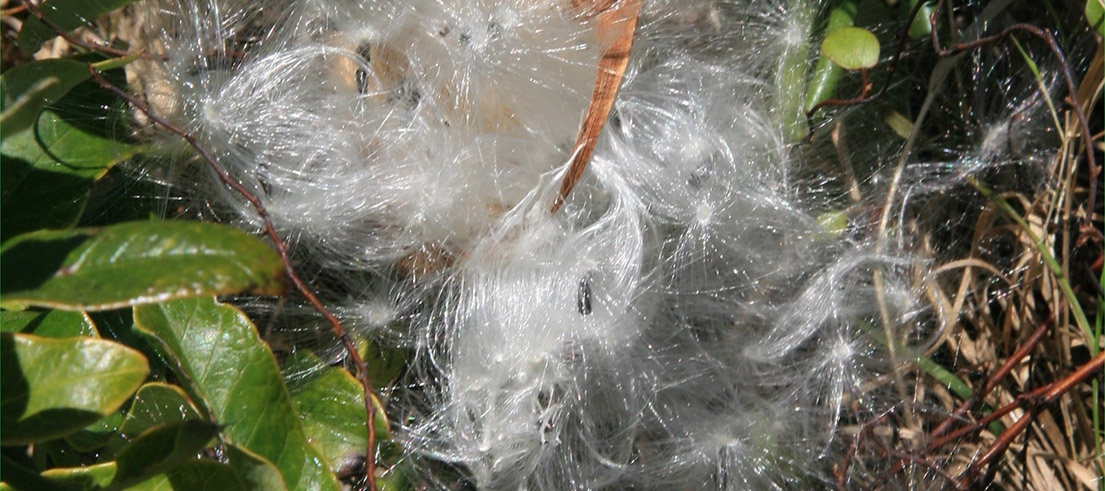
Moth plant. Photo credit: Trevor James
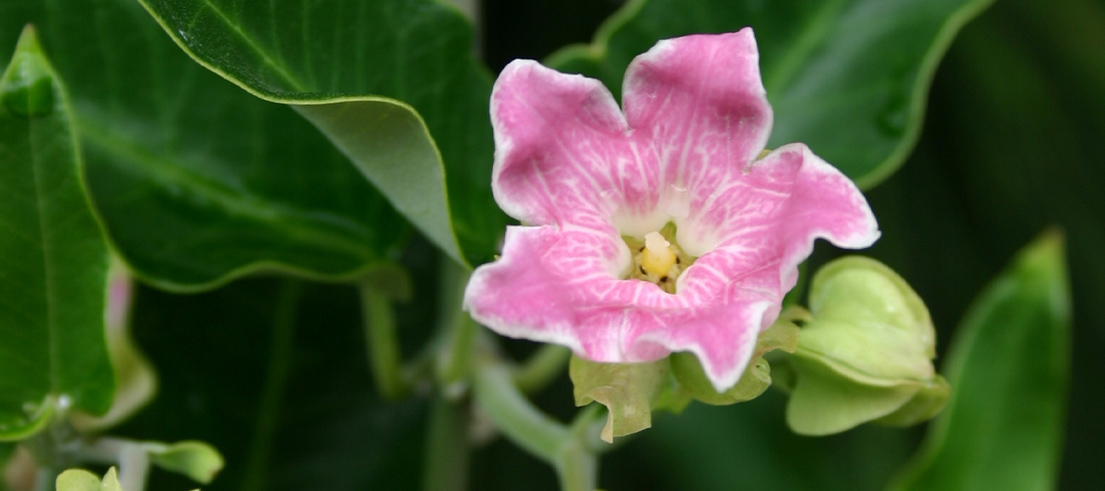
Moth plant. Photo credit: Trevor James
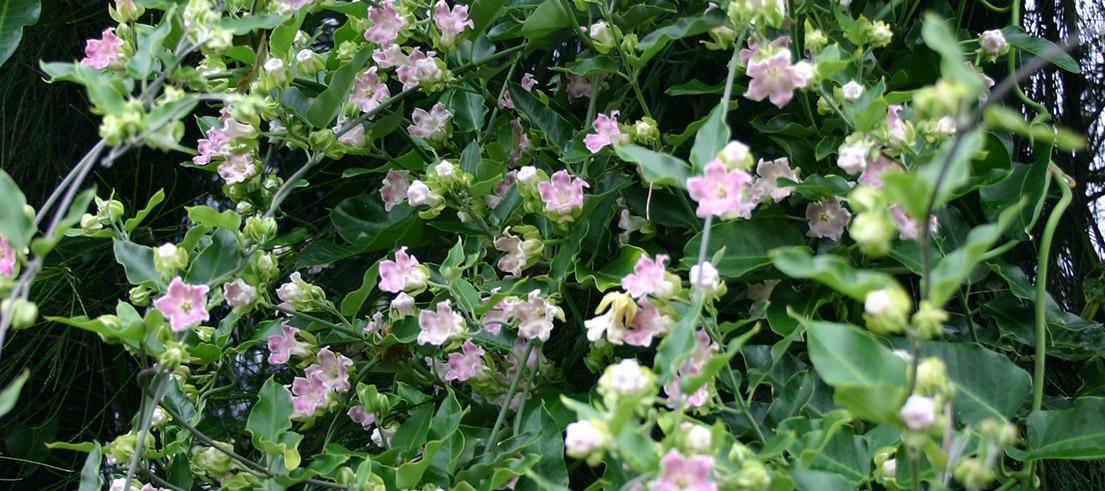
Moth plant. Photo credit: Trevor James
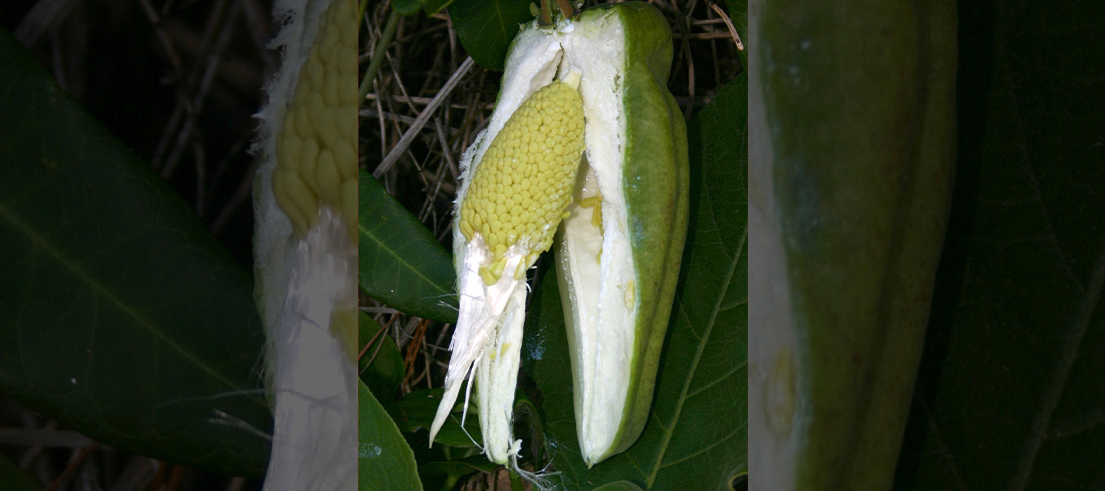
Moth plant. Photo credit: Trevor James
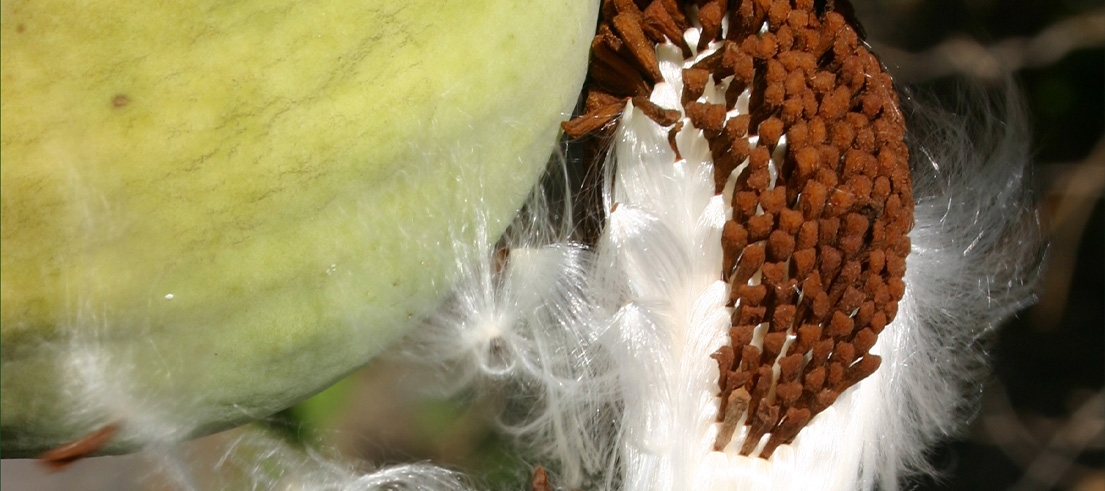
Moth plant. Photo credit: Trevor James
Moth plant. Photo credit: Trevor James


