
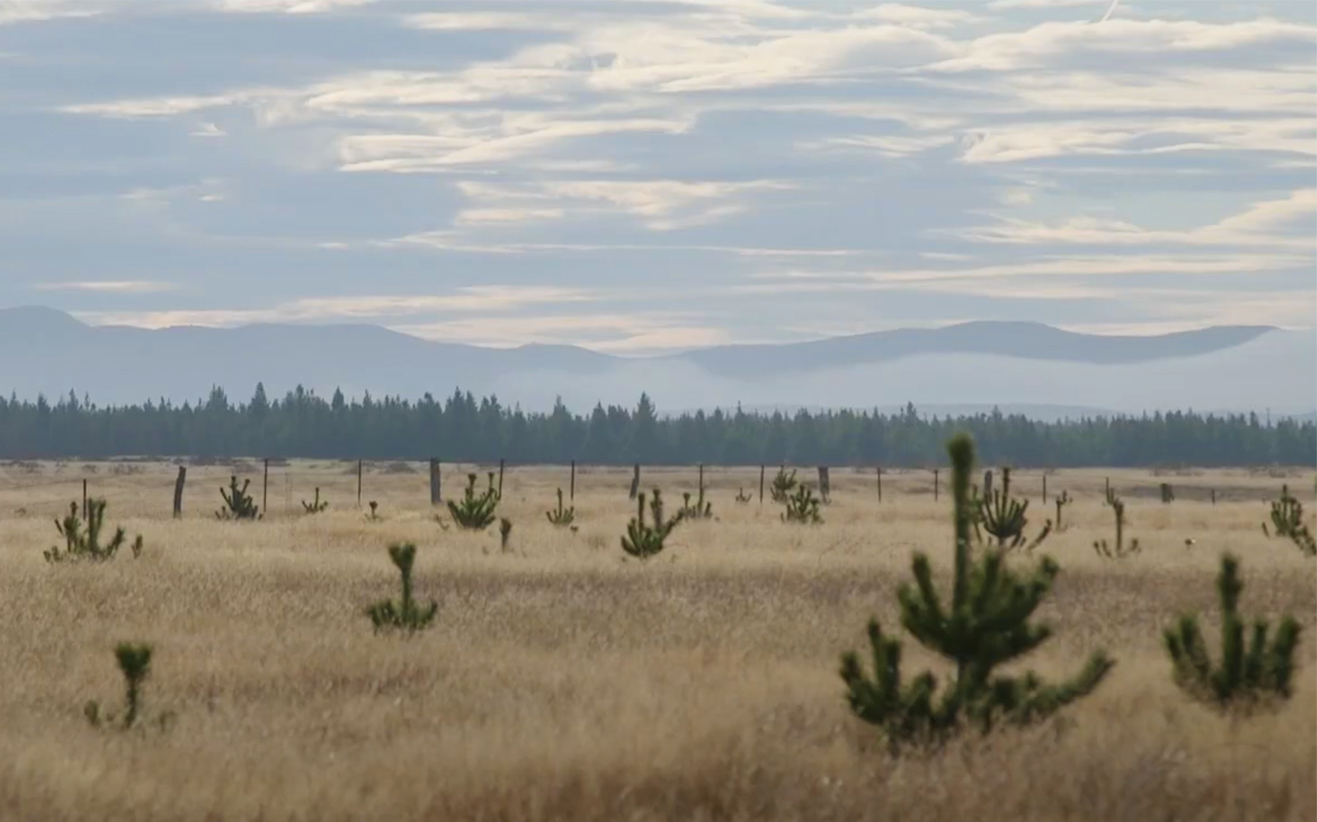
Use the handbook for step-by-step guidance, or get in touch if you need site-specific advice.
Controlling wilding pines
There’s no one-size-fits-all solution to controlling wilding pines. The right approach depends on your land, the size and spread of the infestation, access, and what you want the land to be used for in the future. On this page, you’ll find practical guidance on how landowners can control wilding pines, the control methods available, and when to use them — as well as how we and our partners support control across Waitaha Canterbury.
What you can do to control wilding pines
Everyone can play a role in controlling wilding pines in Waitaha. Whether you’re a landowner, recreation user, community group or business, early and practical action helps stop the spread of these invasive pest trees.
- Remove pest trees from your land: Identify pest species, select the best control method and choose replacement plants that won't cause problems for you and your neighbours.
- Remove wilding pine seedlings when you're hunting or hiking: Pull them out of the ground or cut small trees close to the ground removing all green material- they can be left on-site to break down naturally.
- Replace pest trees with safer alternatives: Replant controlled areas with native species or less spread-prone exotic trees. Read the Right tree for your place guide (PDF file, 595 KB) for inspiration.
- Work together with neighbours: Coordinated control across property boundaries is one of the most effective ways to prevent reinfestation and long-term spread.
- Support local community groups: Get involved with community-led wilding pine projects and help tackle the problem at a local level.
- Businesses can contribute too: Sponsor community projects, take part in volunteer days, or help raise awareness about wilding pine control.
Wilding pine control methods
The most effective way to control wilding pines depends on your site and situation. Different control methods are suited to different land types, infestation sizes and long-term land-use goals.
Key factors to consider when choosing a control method include:
- Density and size of trees – seedlings, scattered trees, or dense infestations
- Wilding pine species present
- Site factors – terrain, access, and surrounding vegetation
- Land use after control and your long-term objectives
- Available resources – including budget and access to specialist operators (for example, helicopter services)
Replanting after control work
After wilding pines are removed from a site, it’s common for exotic plant species to establish and thrive. Planning what happens next is critical to prevent reinfestation and to achieve your long-term land-use goals.
Before starting control work, it’s important to have a clear vision for the site. Your choice of control method, follow-up management, and replanting approach can all influence how successfully the land transitions after control.
When planning replanting or land use after control, consider:
- what land-use type best suits the land and land tenure
- the availability of nearby seed sources (native or introduced)
- whether the land may transition through one use (for example, pasture) before moving to another
- any required resource consents
- avoiding planting any of the 10 species listed in the CRPMP
Effective reforestation alternative
There are several ways to prevent wilding pines from re-establishing after successful control. The most appropriate option depends on site conditions, land use, and long-term objectives.
Common alternatives include:
Restoring native plants
Restoring native vegetation can be done using passive or active restoration methods, or a combination of both. Regardless of the approach, it’s important to recognise that wilding pines leave a legacy in the soil, which can support reinvasion by wildings and other weeds.
Ongoing weed and pest control is usually required, particularly during the first five years after control, to protect and support native plant establishment.
Passive restoration
Passive restoration relies on managing a site so native vegetation can regenerate naturally, without intensive planting. This approach requires a well-established native seed source nearby.
Over time, vegetation is likely to revert to its natural surrounding cover, such as tussock grassland or native shrubland. This is a long-term process and may require ongoing maintenance to remove re-emerging wildings or other invasive weeds until native cover becomes established.
Where native shrubland or forest already exists, using low-disturbance methods such as drill and fill can support passive restoration by minimising site disturbance.
Passive restoration is not recommended for tussock grassland sites where a significant wilding pine seed source remains nearby.
Active restoration
Active restoration involves the direct planting of native vegetation. While this approach can be more expensive and labour-intensive, it is often the best option where there is no nearby native seed source and faster establishment is required.
To improve success:
- eco-source plants from local seed sources
- allow sufficient time to source plants (this may take months or longer for large orders)
- use plant protection such as guards or weed matting to improve survival and reduce ongoing weed control.
Seeding pasture for grazing
Seeding pasture for grazing can be an effective way to prevent wilding pine reinvasion on land suited to pastoral use.
Mechanical control, logging, and mulching can help transition sites into grazing paddocks. Required resource consents must be obtained, and this option may not be suitable for all land tenures.
Planting non-invasive trees
Some landowners may choose to plant plantation forestry, amenity trees, or shelterbelts after controlling wildings, including re-establishing shelterbelts that previously produced wildings.
It’s important to:
- plant non-invasive tree species only
- follow good plantation establishment practices
- check district council rules and obtain any required consents
Ongoing control of wilding regeneration should be expected among planted trees.
Preserving tussock grasslands
This option is only suitable for areas where tussock grasslands existed before wilding pine infestation.
If no nearby wilding pine seed source remains, land may be able to revert to tussock grassland. However, tussock systems can be vulnerable to invasion by exotic grasses and woody weeds, so ongoing maintenance and protection may be required.
How we control wilding pines
We control wilding pines across 16 management units in Waitaha, working at scale to protect land, water, biodiversity and culturally important landscapes.
Our goals are to:
- remove wilding conifers from the landscape
- eliminate seed sources wherever possible
- transition long-term management back to landholders once control is established.
A coordinated national programme
Wilding pine control is delivered in partnership with central and local government, mana whenua, community stakeholder groups, researchers, industry and private landowners.
The National Wilding Conifer Control Programme (NWCCP), led by Biosecurity New Zealand, was established in 2016 to ensure a collaborative, coordinated and effective national approach to wilding pine management.
The programme delivers the outcomes of the National wilding conifer management strategy 2015-2030 (PDF file, 1.3MB), with a clear national vision: to prevent the spread of wilding conifers and to contain or eradicate established infestations by 2030.
Progress and ongoing work
Nationally, wilding conifers cover more than 3 million hectares. By December 2022, around 70 per cent of known infestation areas had received at least one round of control work.
Repeat control and ongoing maintenance are still essential to remove new growth from seeds already present in the soil and to prevent reinfestation.
For upcoming wilding pine control work on public land, please check our public notices page
Wilding pines and climate change
While all trees, including wilding pines, do sequester carbon, wilding pines are not an effective tool for meeting climate change targets. Their negative impacts on water availability, biodiversity, fire risk and landscapes outweigh their carbon-absorbing benefits.
Read more: Are wilding pines useful for fighting climate change? | mackenziewildingtrust.org
Control requirements and responsibility
The Canterbury Regional Pest Management Plan (CRPMP) guides land occupiers on wilding pine control responsibilities, taking into account factors such as tree species, infestation location, funding, and proximity to property boundaries.
The Wilding Conifer Rules (PDF file, 2.35MB) explain who is responsible for managing wilding pines under the CRPMP to prevent reinfestation and ongoing spread.
Ready to take the next step?
Control wilding pines early to reduce costs and prevent reinfestation