

Give chicks a chance this Crate Day
Crate Day might ritualistically mark the beginning of summer for many Cantabrians, but it’s also one of the most vulnerable times of the year for some of the world’s rarest birds — and they’re nesting right under our feet.
The braided rivers of Waitaha Canterbury, such as the Waimakariri River and the Ashley Rakahuri River, are home to taonga species like:
- ngutu pare (wrybill)
- tarapirohe (black-fronted tern)
- tarapuka (black-billed gull).
These birds don’t nest in trees or in the reeds, instead they lay their eggs directly on the clear open gravels of our braided rivers. Their nests are camouflaged, almost invisible to the human eye.
This makes them incredibly vulnerable to:
- vehicles
- dogs
- foot traffic
- noise and large gatherings.
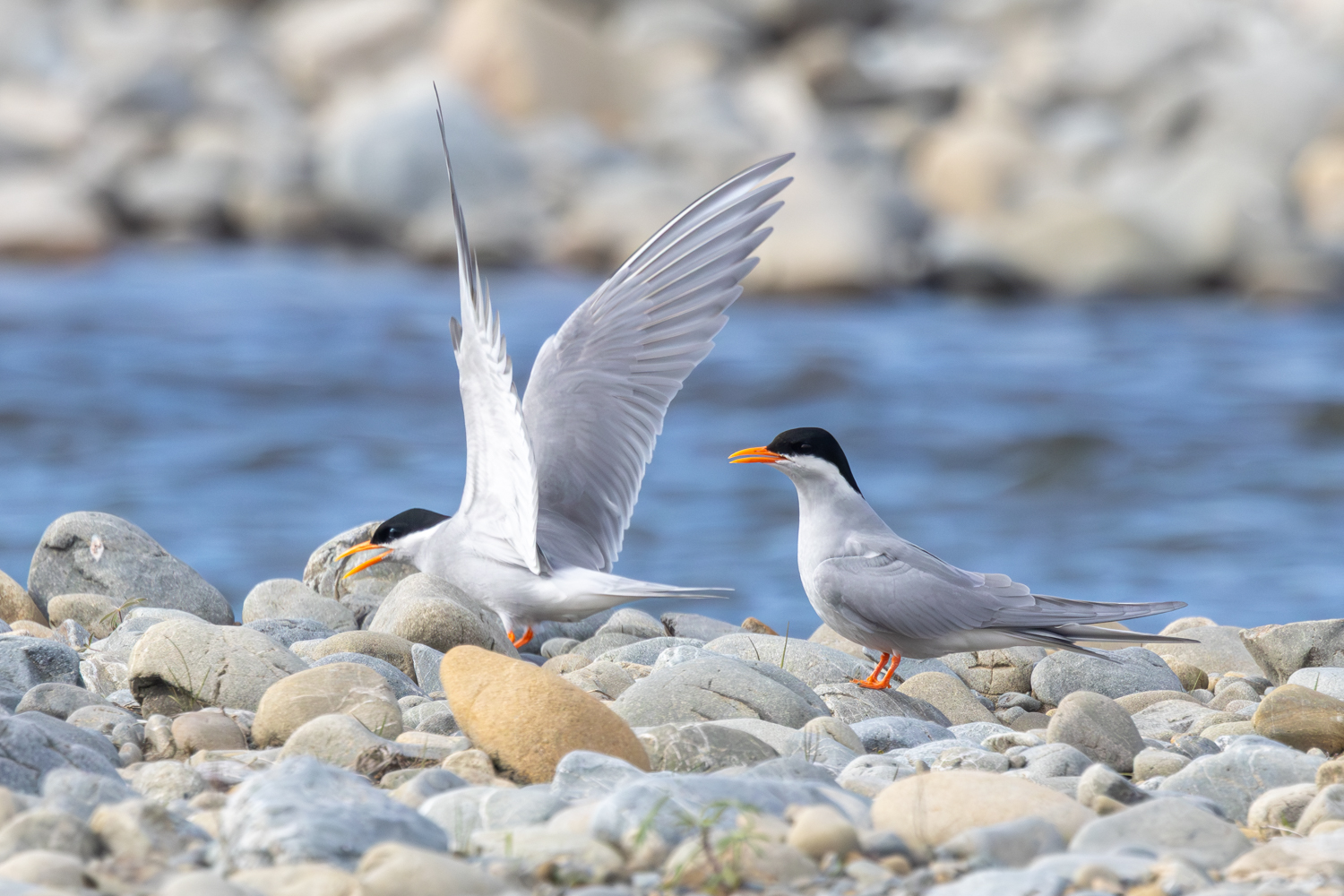
Tarapirohe (black-fronted tern) are just one of the species that nest on braided rivers in Waitaha
Crate Day falls during peak nesting season
Crate Day coincides with the peak of the nesting season. Large gatherings, noise, and riverbed driving put these species at real risk. Even one afternoon of disturbance can wipe out an entire season’s breeding effort.
“We want people to enjoy summer and enjoy their rivers. Just pick your spot with care,” our team leader for parks Karen Elliott said.
“These populations of birds are particularly vulnerable this season, with flooding already disturbing and, in some cases, wiping out nests, along with chicks and eggs. We need to respect the rivers and give wildlife the space they need to survive and thrive.”
Protecting birds is a joint effort
While Crate Day is one day in the social calendar, braided river bird protection is crucial year-round and it’s a collaborative effort, involving:
- mana whenua
- local rivercare and conservation groups
- Fish & Game
- Department of Conservation (DOC)
- local and regional councils.
Rangers will be out on the ground over summer to monitor and help educate river users so we can all support these native species.
Department of Conservation (DOC) North Canterbury operations manager Leeann Ellis strongly encourages people to avoid using vehicles on braided rivers during nesting season.
“As an evolutionary defence against airborne predators, eggs and chicks are camoflaged in the river stones, which makes them almost impossible to see.”
“We are lucky to have these threatened and endangered special species living so close to us and we all have a role in protecting them,” she said.
Going to the river? Remember this
If you’re heading out this summer:
- avoid gravel islands and open riverbed areas
- keep dogs on a lead
- stick to formed tracks
- take your rubbish home
- follow any signage, fencing, or instructions from rangers.
Or even better — keep away from sensitive nesting areas and leave the riverbed to the birds. They’re raising their families too.
The importance of braided rivers
“Braided rivers are globally unique environments and they’re landscapes that people across our region value and feel strongly connected to. We’re simply asking people to enjoy them in a way that keeps them alive — for the birds and for future generations,” Karen said.
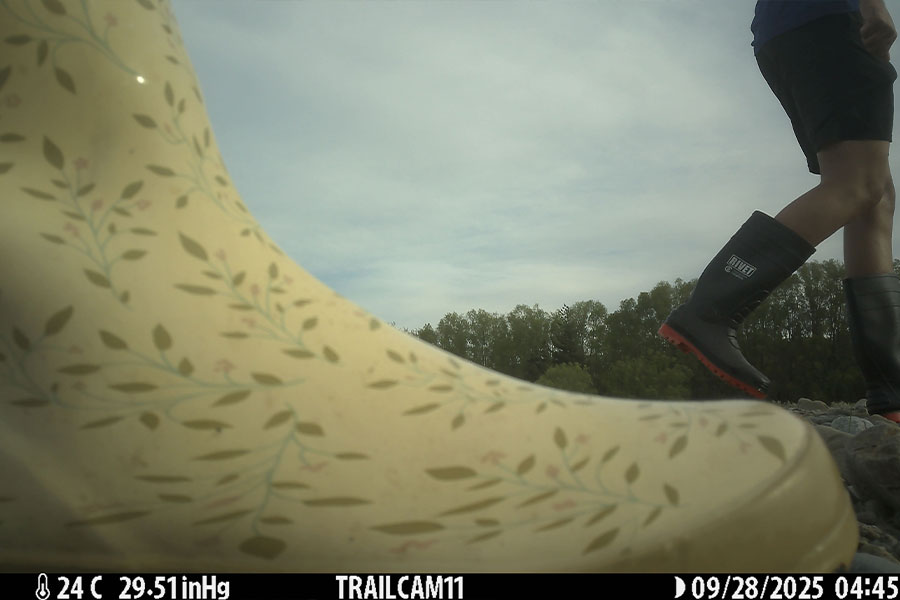
This footage shows just how close you can get to a braided river bird nest without knowing
The braided rivers of Waitaha are internationally significant ecosystems found in only a few places on earth. Fast-flowing, constantly-shifting channels create islands of gravel and sand — making perfect nesting spots for these rare and unique species that have evolved to rely on open riverbeds for survival.
These birds are under threat globally, and population trends continue to decline.
When parents are forced off their nests by dogs, vehicles, drones, or disturbance, eggs can overheat or become exposed to predators such as stoats, cats, and southern black-backed gulls. Many chicks do not survive a single human interaction.
We manage braided rivers to protect people and ecosystems. We reduce flood risk, monitor and restore habitats, safeguard taonga species, work alongside mana whenua, enforce environmental rules, and support communities to use these landscapes responsibly. Our goal is to ensure braided rivers remain healthy for wildlife, recreation, and future generations.
Want to help protect our taonga species?
- Follow river signage and any closures
- Choose recreation spots away from nesting areas
- Report disturbance or suspected nesting to 0800 324 636 or check out our other reporting options
Lets make Crate Day and summer something we're proud of. Find out more about braided rivers and the species that call them home.