
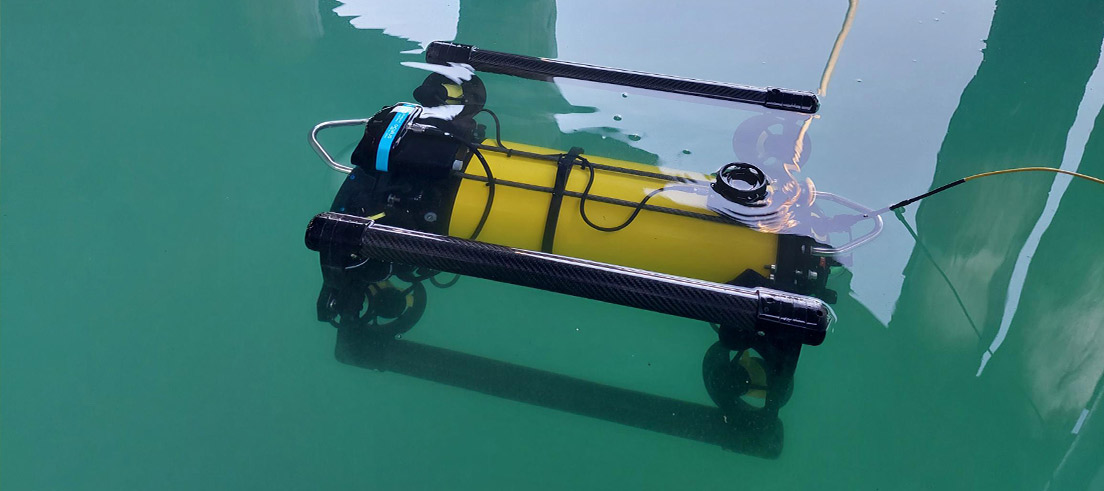
Meet the robot protecting our harbours from marine pests
Our coastal team can now tackle new areas of Whakaraupō Lyttelton Harbour for surveying and marine pest control , thanks to Kiwi tech company Boxfish Robotics and Earth Sciences NZ (formerly NIWA).
Every year, we undertake biosecurity surveillance at four ports and harbours across Waitaha Canterbury, searching for invasive marine species that can damage Aotearoa New Zealand's marine biodiversity.
Taking on Sabella
One of the biggest threats? Sabella spallanzanii, better known as Mediterranean fanworm.
The inner harbour of Whakaraupō Lyttelton Harbour is a hot spot for unwanted organisms like Sabella. This pest can damage boats and smother native species, disrupting ecosystems and marine industries.
We are currently working to contain Sabella within the inner harbour and reduce populations, with removal efforts up to four times a year in collaboration with Lyttelton Port Company and Biosecurity New Zealand. High-risk areas include Te Ana Marina, Cashin Quay, and Magazine Bay Marina.
Kiwi robotics boosts marine pest control efforts
This year, our efforts to keep Sabella at bay have levelled up with the help of the Boxfish Remote Operated Vehicle (ROV), a sleek, joystick-controlled robot equipped with cameras and a manipulator arm. Working like an underwater drone, the Boxfish ROV:
- Streams 4K video in real time for accurate identification
- Uses AI to detect pest species
- Uses a mechanical arm to grip, rotate, and remove invasive species from underwater structures — all without sending divers into hazardous conditions.
Hazardous and murky conditions often make it challenging for divers to carry out inspections. The ROV changes that.
“The ROV gives us a safer, more efficient method for marine pest control,” says Emma Parr, Coastal Response and Readiness Lead.
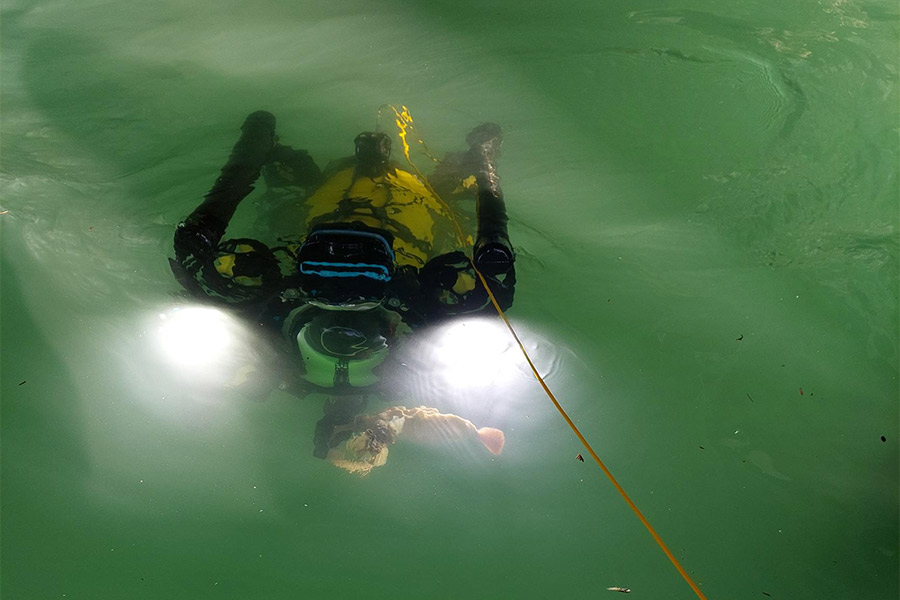
Robot extracting Mediterranean fanworm
“Using it to access areas unsafe for divers allows us to remove Sabella where we previously couldn’t. This technology opens up new possibilities for managing marine pests in challenging environments,” said Emma.
A harbour-wide survey in 2023 showed less sabella spread outside the inner harbour. With effective management and new technology, the team is optimistic about minimising its impact on our wider marine environment.
A game changer for marine biosecurity
Hazardous and murky conditions often make it challenging for divers to carry out inspections. The ROV changes that.
“The ROV gives us a safer, more efficient method for marine pest control,” says Emma Parr, Coastal Response and Readiness Lead.
“Using it to access areas unsafe for divers allows us to remove Sabella where we previously couldn’t. This technology opens up new possibilities for managing marine pests in challenging environments.”
A harbour-wide survey in 2023 showed less sabella spread outside the inner harbour. With effective management and new technology, the team are optimistic about minimising its impact on our wider marine environment.
Help stop marine pests spreading
Help control the spread by keeping your hull clean to make sure Sabella can’t hitch a ride on your vessel to other areas of the harbour, region or country, where it could establish and become problematic.
Good boat maintenance practices: Learn how to keep your boat clean, well maintained and pest-free.
Download the Cawthron Level of Fouling Guide (PDF) - A practical six-level biofouling assessment tool and schematics from Cawthron to support consistent vessel fouling evaluation.
Learn more about Boxfish Robotics and Earth Sciences NZ (formerly NIWA).
Investing in biosecurity
Environmental Regulation and Protection core service lead, Councillor Claire McKay, said Canterbury Regional Council takes marine biosecurity extremely seriously because the health of Whakaraupō Lyttelton Harbour underpins our environment, our communities, and our local marine industries.
“Every year, we invest in surveillance across our ports and harbours to detect pests early, and we’re always looking for smarter, safer ways to strengthen that work. The Boxfish ROV is a great example; it allows our teams to reach areas divers can’t, improving our ability to contain pests and protect the wider harbour. We’re asking boaties to support this effort by keeping hulls clean so we can work together to safeguard our coastal environment.”
"This work delivers on the Whaka-Ora Healthy Harbour Plan vision to restore the ecological and cultural health of the Whakaraupo/Lyttleton harbour as mahinga kai for generations to come “.