
Environment Canterbury steps in on stench
Canterbury Regional Council (Environment Canterbury) has told Christchurch City Council to take action and comply with its consent as stench from the Christchurch Wastewater Treatment Plant continues to affect communities across the city.
Chair Dr Deon Swiggs says the regional council’s responsibilities are very clear: while the Christchurch City Council owns and operates the sewage treatment plant, Environment Canterbury’s job is to ensure it meets the conditions of its resource consent. One of the key conditions is that odour should not leave the boundary of the facility.
“In recent weeks, odour has very clearly been leaving the site,” he said. “That triggers more directive compliance action. We now have a better understanding of what has gone wrong and are working with the City Council to get them back to compliance so residents right across Christchurch are no longer affected.”
Thousands of complaints in days
The regional council has been inundated with reports from the public. Over the past week (since 26 January), we have received nearly 4000 complaints, with 2500 of these from the eastern suburbs.
“That’s a significant number, and it reflects just how widespread and severe the issue is,” Chair Swiggs said.
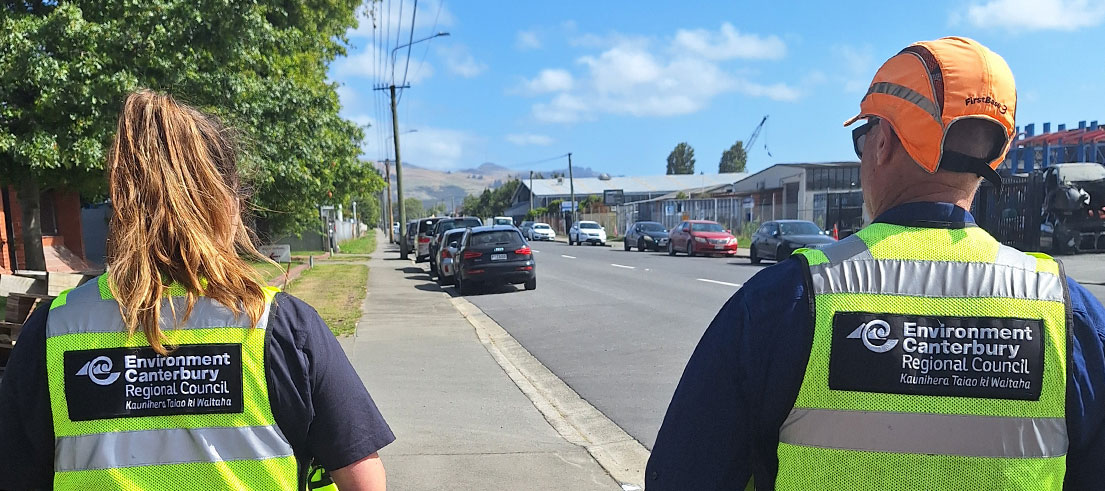
Over the weekend, our staff were in the suburbs around the wastewater treatment plant speaking directly with residents and monitoring conditions in the worst-hit areas.
Action underway
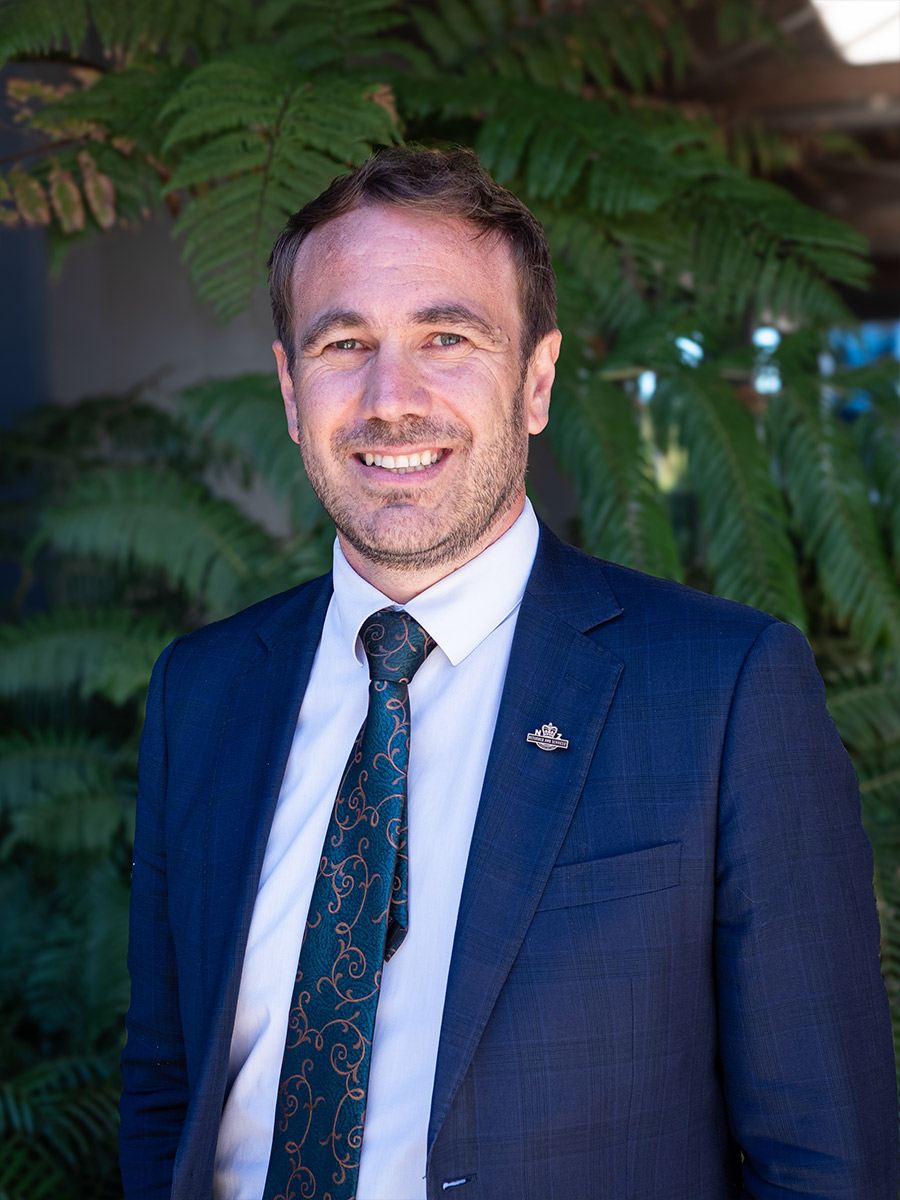
Environment Canterbury Chair Dr Deon Swiggs
Environment Canterbury has contacted the City Council informing them of their non-compliance with their air discharge consent conditions. The City Council is required to outline how it will stop the smell and what its plan is for the future.
Chair Swiggs says Environment Canterbury can’t force the City Council to shut down a major sewage plant - that would be unrealistic and have huge consequences.
“What we can do is require them to tell us how they plan to return to compliance. They must explain what they are doing, how they plan to manage the smell, and what the timelines look like.”
Concerns about the long road ahead
The City Council has indicated that fully restoring the treatment plant could take up to three years. Chair Swiggs says this raises concerns.
“We need clarity from the City Council about how they will manage the situation in the meantime so they stay in compliance,” he said.
Environment Canterbury has also sought advice from the National Public Health Service. Medical officers have confirmed the smell can cause physical symptoms such as headaches and nausea - many residents have reported feeling unwell and that they’ve missed work.
Impact on communities concerning
Chair Swiggs has visited several of the affected suburbs and says the conditions are concerning.
“I live in the central city, and even there my eyes were stinging last week. Closer to the plant, people’s eyes water, the smell is overwhelming, and residents feel physically unwell. I completely empathise — it’s not good enough.”
Chair Swiggs says the focus now is on ensuring this does not happen again and establishing a clear path toward long-term solutions.
“We need to get on top of this and give communities confidence that there is a plan in place.”