
What’s hiding in your winter air?
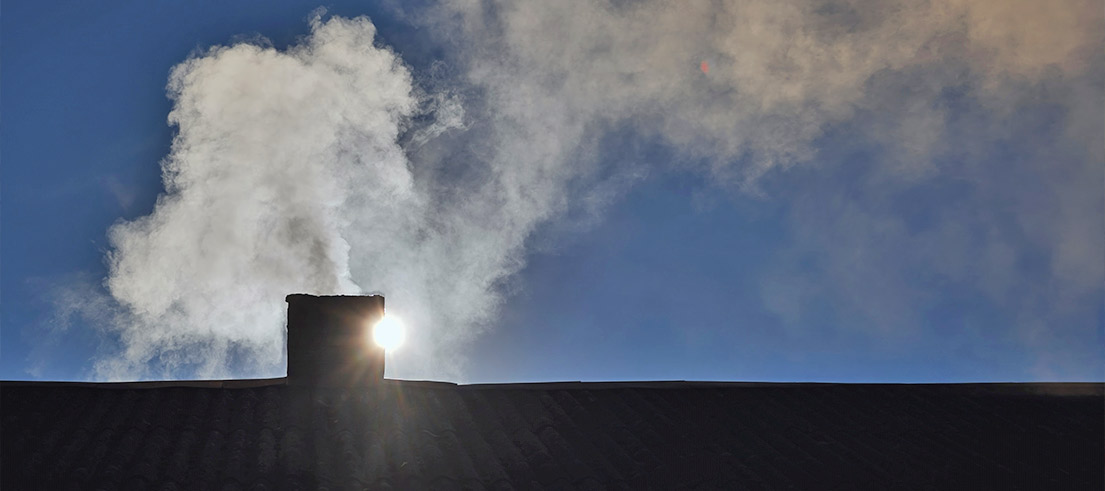
As winter sets in, the air around us can change in ways we can't always see. Even when the air looks clear, very small particles that are not visible to the eye, can still be present and affect air quality and health.
So, when we talk about air quality, we're not just talking about visible smoke or haze, but fine particle pollution that can reach elevated levels during winter. Cold, still winter conditions like we get in Waitaha Canterbury, can trap smoke close to the ground, allowing fine particle (levels or concentrations) to build up. This is why we measure what is in the air.
Understanding what is in the air helps explain why reducing smoke emissions can make a real difference for our communities.
What do we measure?
A big part of air quality monitoring focuses on particulate matter, often shortened to PM. PM refers to the tiny particles that stay in the air that come from sources such as vehicle exhaust, dust and smoke from home heating.
What is PM10 and PM2.5?
We measure PM10 and PM2.5 because these particles are widely used indicators of air pollution and air quality
- PM10 particles are smaller than 10 micrometres
- PM2.5 particles are even finer; measuring less than 2.5 micrometres
Particles this small can be inhaled and are strongly associated with health impacts, and are common in winter air pollution in Canterbury, especially from home heating.
Why particle size matters for your health
The smaller the particle, the deeper it can travel into the body.
- PM10 can irritate the eyes, nose and throat, and make breathing more difficult.
- PM2.5 can travel deep into the lungs and, in some cases, enter the bloodstream.
The finest particles are linked to more serious health impacts, particularly for children, older people, and those with heart or lung conditions.
Dr Cheryl Brunton, medical officer of health for the National Public Health Service said, “Clean air is vital for human health and wellbeing, and poor air quality affects everyone who breathes.
“The health impacts of particulate and other air pollution are significant, so when air pollution is reduced, we all benefit,” she said.
This is why PM2.5 is a growing focus in air quality monitoring and health research, and why we track both PM10 and PM2.5 across Canterbury.
Using the data to understand what you are breathing
We regularly share air quality data so people can see what is happening where they live.
You can check:
- View current air quality monitoring data (PM10 and PM2.5 levels)
- LAWA (Land, Air, Water Aotearoa) for real time and historical air quality information in your area
Knowing what PM10 and PM2.5 are makes it easier to understand the data and why actions to reduce air pollution matter for everyone’s health.
What you can do to improve air quality
Winter air quality is shaped by the choices we all make, especially how we heat our homes.
A large part of winter air pollution in Waitaha comes from home heating, particularly wood burners. Burning wet or treated wood creates more fine particle pollution, including PM2.5, which has the greatest impact on our health.
Here's how you can help:
- Using good burning techniques can make a real difference. This includes using dry, well-seasoned wood, keeping your fire hot with good airflow, and avoiding letting it smoulder.
- Choosing good quality fuel is just as important. Buying from a Trusted Good Wood Merchant helps ensure your wood is dry and suitable for burning, which reduces smoke and improves efficiency.
- In Clean Air Zones, older or non‑compliant burners are being phased out over time to help improve air quality. If you have a wood burner, please make sure it's compliant.
These small steps help reduce smoke, improve air quality, and protect the health of our communities during winter.