
Buying or selling a property with an OWMS
When buying, selling, or modifying a property that has an onsite wastewater management system, there are several steps you should take to ensure the system remains adequate.
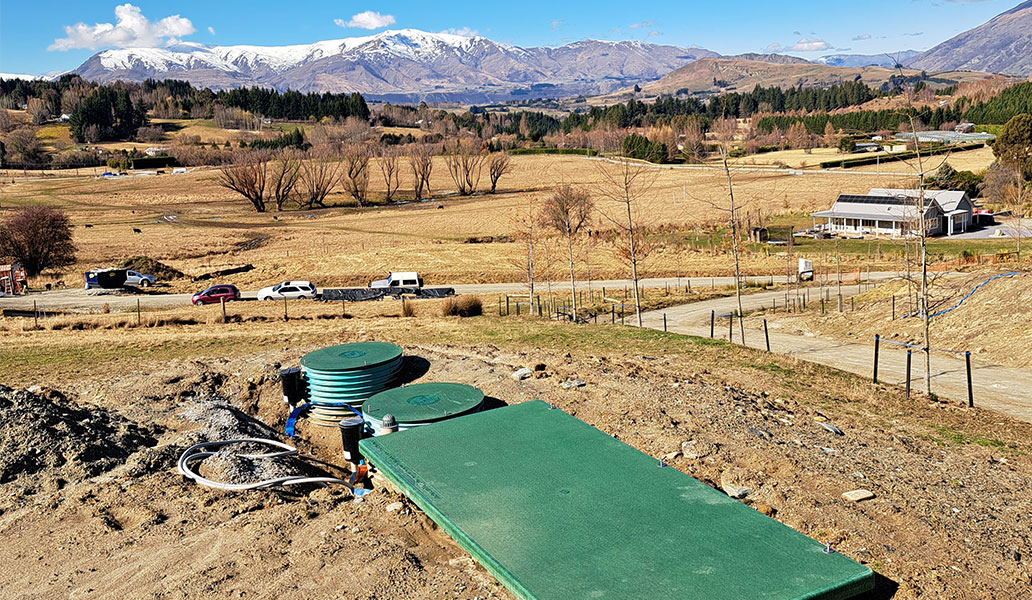
Before you buy
If you are buying a property with an existing onsite wastewater treatment system, it is important you understand the system and ask the right questions.
- What brand and model of system was installed?
- What type of land application system was installed, and where is it located on the property?
- What daily volume is it designed for (ie how many people can it serve)?
- Who installed it and when?
- Who services it and how often? When was the last service and do they have copies of the service reports?
- Does the system have a resource consent? What are the consent conditions? When does the resource consent expire?
- If the system is not currently consented, does it require a resource consent?
- Are there any operation manuals and plans for the system? (If the vendor does not have these, contact us, as we may be able to provide a copy of the plans.)
Onsite wastewater management systems do not last forever, and some systems may require a reserve area that can be used for effluent disposal. If there is a reserve area for the land application area you will need to know its size and location as this may limit future development potential on the site.
Before you sell
When you sell your property, tell the real estate agent that you have an onsite wastewater management system and provide as many details as possible. If there are plans and drawings of the system, provide these to the new owner. If repairs or changes have been made, advise the new owner.
Onsite systems need to be serviced regularly. Tell the new owner how often this is required, when the last service was completed and give them contact details of the company which services it.
If you have a resource consent for discharge of human effluent for a property you are selling, you should ensure that this is transferred to the new property owner as part of the sale process. You will need to fill in a consent transfer form and pay a processing fee.
- Download a consent transfer form (PDF file, 145KB)
- Find out more about resource consent transfers
- View transfer fees.
Before you make extensions
If you want to expand or extend your dwelling, you may need to upgrade your onsite wastewater management system or apply for a resource consent.
Adding things like extra bedrooms and granny flats will increase the maximum amount of wastewater that could potentially be discharged, and this may result in a requirement to increase the size of the system or upgrade to a different system.
Check the Canterbury Land and Water Regional Plan rules to see if extending your dwelling will require you to apply for an onsite wastewater discharge consent.
Information for real estate professionals
As a real estate professional involved in the transfer of property, you must ensure both the buyers and sellers understand the legal obligations involved in transferring ownership of an onsite wastewater system, whether consented or unconsented.
Your responsibilities include the following:
- Understand the regional rules for onsite wastewater systems in Section 5 of the Canterbury Land and Water Regional Plan.
- When listing a property or section for sale, include details of the onsite wastewater system or options for the new build.
- Advise potential buyers that systems need to be operated correctly and serviced regularly to comply with regional council rules or consent conditions.
- Check whether the property has its own water supply and if so, request water quality test results to share with the buyer.
- When selling a property with an existing onsite wastewater management system, obtain:
1) details of the type of system, installer and service technician
2) information on the location of the system and land application area, including any reserve area for effluent disposal
3) operating manuals and plans of the system from the seller (these should be part of the sale agreement)
4) information on the last service, date when the next service is due, copies of previous service reports and details of any changes or repairs
5) a copy of the discharge consent, if appropriate. - Alert both sellers and potential buyers of the need to transfer discharge consents when the property is sold.
Download this information in brochure format (PDF file, 42KB).
Information for legal professionals
As a legal professional involved in property transfer, you must ensure both parties understand the legal obligations involved in transferring ownership of an onsite wastewater system, whether consented or unconsented.
Your responsibilities include the following:
- Understand the regional rules for onsite wastewater systems in Section 5 of the Canterbury Land and Water Regional Plan.
- Check the buyer has sought advice from us on whether an onsite wastewater system can be installed and any consent requirements.
- Check whether the property has its own water supply and if so, request water quality test results to share with the buyer.
- When reviewing the sale and purchase agreement for a property with an existing onsite wastewater system, check:
1) the buyer has details on the type of system, the installer, the servicer, servicing frequency, system location and land application area
2) the seller has operating manuals and plans of the system, which should be passed on as part of the sale agreement
3) the seller provides the date of the last service, date when next service is due, and copies of previous service reports, repairs or modifications
4) if the onsite wastewater system has a discharge consent. - Action the application to transfer any discharge consents to the new owner. On receipt of an application, we will process the transfer of consents from the seller to the buyer to avoid the seller remaining responsible for the consent including payment of any fees.
Download this information in brochure format (PDF file, 42KB).