
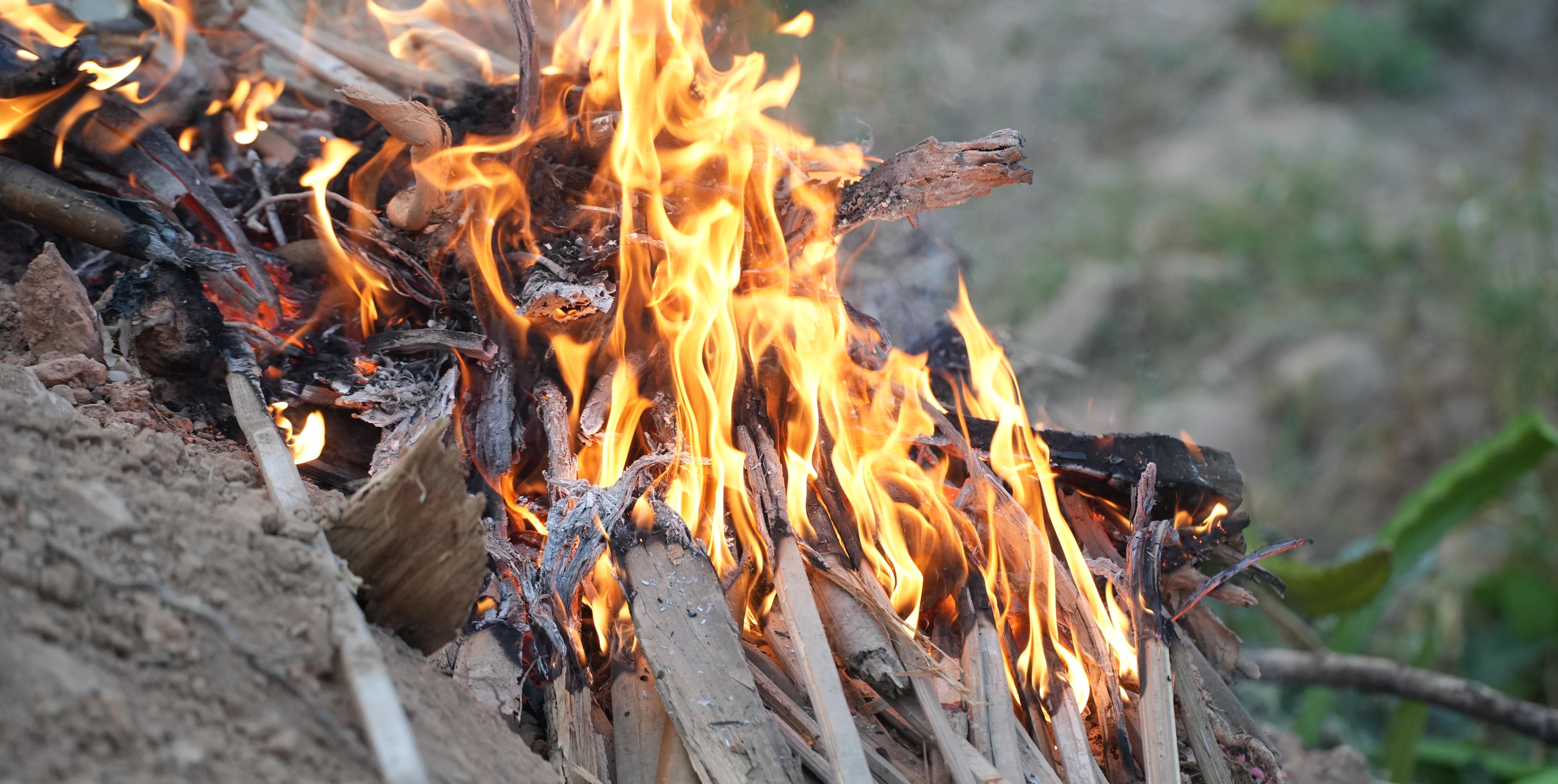
Backyard burning? Make sure you’re not burning bridges
Thinking of lighting an outdoor fire? Check Canterbury’s outdoor burning rules, property size limits, what you can burn, and cleaner alternatives.
Autumn is often the time of year when people start clearing sections, pruning trees, tidying lifestyle blocks and dealing with garden waste.
For some, an outdoor fire seems like the fastest and most efficient way to get rid of the waste. But before you do, it is worth checking whether outdoor burning is allowed where you are and considering cleaner options.
Smoke from outdoor burning can affect people well beyond the property where the fire is lit. It can drift into homes, schools, workplaces and recreation areas and can be especially difficult for people with asthma, respiratory illness or heart conditions.
Why property size matters for outdoor burning
In Waitaha Canterbury, outdoor burning rules help protect air quality and reduce the impact of smoke on neighbours and the wider community. What you can and cannot do depends on where you live, the size of your property, the type of material you want to burn and whether any fire restrictions are in place.
We receive complaints when smoke from outdoor burning drifts across property boundaries and into nearby homes. Even a small burn pile can become a big problem if the smoke heads in the wrong direction.
Northern compliance team leader Brian Reeves said people are often caught out because they assume if they live rurally or on the outskirts of an urban area, they can burn outdoors.
“Outdoor burning is one of those activities where it pays to check first,” Brian said.
“The main outdoor burning rule is based on property size. In general, if your property is 2 hectares or smaller, outdoor burning is not permitted – whether you live in a rural or urban area.”
In Waitaha, some areas are also Clean Air Zones and in these areas, extra restrictions are in place for larger properties too, particularly around when outdoor burning can take place.
Even where burning is permitted, other conditions still need to be met, including managing smoke so it does not cause problems for others. These rules can be found on our outdoor burning page.
Check its all right before you light
Before lighting any outdoor fire, people should check two things:
- Our air quality rules to see whether outdoor burning is allowed at your property.
- Fire and Emergency New Zealand’s fire season and permit requirements. Depending on the time of year and fire risk, you may need a fire permit or outdoor fires may be restricted.
What you burn also matters
Treated timber, painted wood, plastics, rubber, household rubbish, chemicals and other waste materials cannot be burned because they can release harmful smoke.
The material being burnt must be dry, with moisture content less than 25 per cent. This is because green or damp garden waste can create a lot of smoke.
In many cases, there are cleaner options, such as composting, mulching, using green waste services, taking material to an appropriate transfer station, or chipping branches for reuse in the garden.
“Being allowed to burn does not mean you can let your smoke affect other people,” Brian said.
“If smoke is causing a nuisance across your property boundary, or if it is hanging around because conditions are still, it may be time to put the fire out and choose another option.”
Taking the time to check before you burn can help avoid complaints, reduce smoke and keep Canterbury’s air cleaner for everyone.