
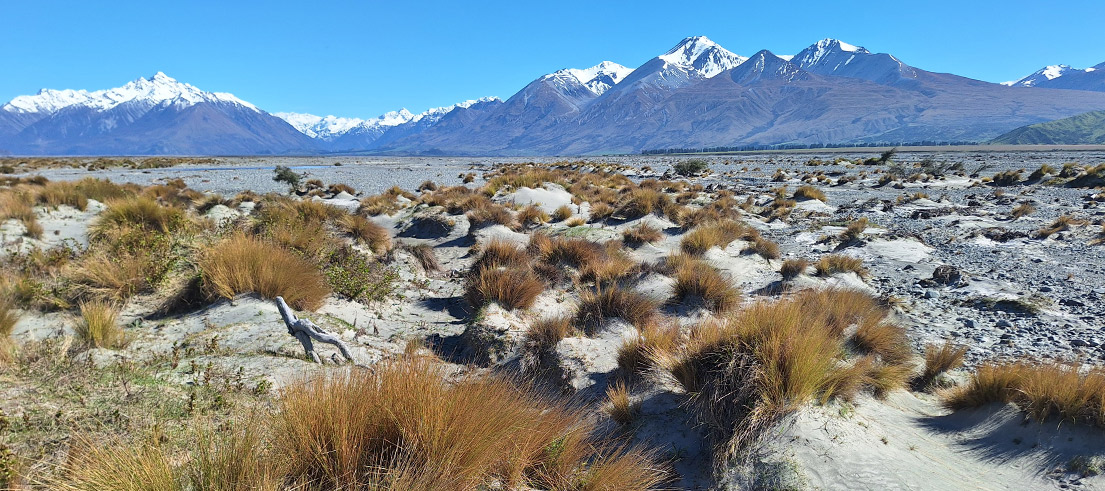
Collaborative weed control programme protects Upper Rangitata braided river habitat
A large area of the Rakitata / Rangitata River has been cleared of broom, gorse, lupins and other invasive weeds, helping protect important braided river habitat in the upper Rangitata catchment.
Our staff worked with Te Papa Atawhai Department of Conservation (DOC) and Toitū Te Whenua - Land Information New Zealand (LINZ) and the Upper Rangitata Gorge Landcare Group to remove weeds on the riverbed and around the river in the upper reaches , including around Mount Sunday, where some of Lord of the Rings was filmed.
Protecting braided river habitat
The work was part of the Upper Rakitata River Weed Control Programme, an ongoing initiative which began in 2019.
Funding of over $300,000 was allocated for weed control work in the upper Rakitata catchment this 2025-26 season. Canterbury Regional Council (Environment Canterbury), LINZ, DOC and Timaru District Council contributed to this funding.
Senior biodiversity advisor Donna Field is the Environment Canterbury lead for the project. She said if invasive weeds like broom, gorse, lupins, wilding pines, sycamore trees and ash trees were left to spread in and around the Rakitata riverbed, they could wipe out precious habitat for wildlife and plants, and increase the risk of damage from flooding events.
Supporting native species and ecosystems
Many braided river birds including wry bills, black fronted terns, banded dotterels, and oyster catchers, frequent the area. Rare plants like Craspedia / woollyheads, and mat plants including Raoulias and native brooms are also found in the area.
“The weed control work really is protecting those natural ecosystems that are needed for the health of the environment. For example, once lupins grow, you start to lose the open riverbed and then you start to lose the habitat for lizards and for birds,” said Donna.
“Amongst the two biggest invasive weed threats are the willows and the lupins. The impact that just leaving them would have on the landscape, is the willows would start to encroach upon the riverbed. You’d get single streams in those braided rivers, which are much more likely to cause big blowouts during flooding.”
Donna said the collaborative weed control project is set to continue for years to come.
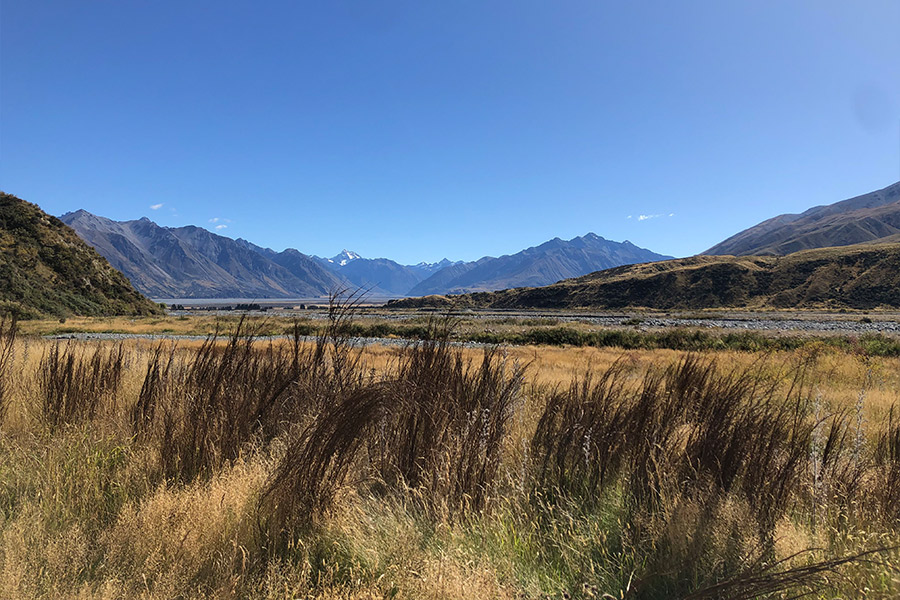
An area of broom cleared during the collaborative weed control programme in the Upper Rakitata / Rangitata River area
Learn more about braided rivers and biodiversity work
Braided rivers are some of Waitaha Canterbury’s most unique and vulnerable environments, supporting rare native birds, plants and ecosystems found nowhere else in the world.