
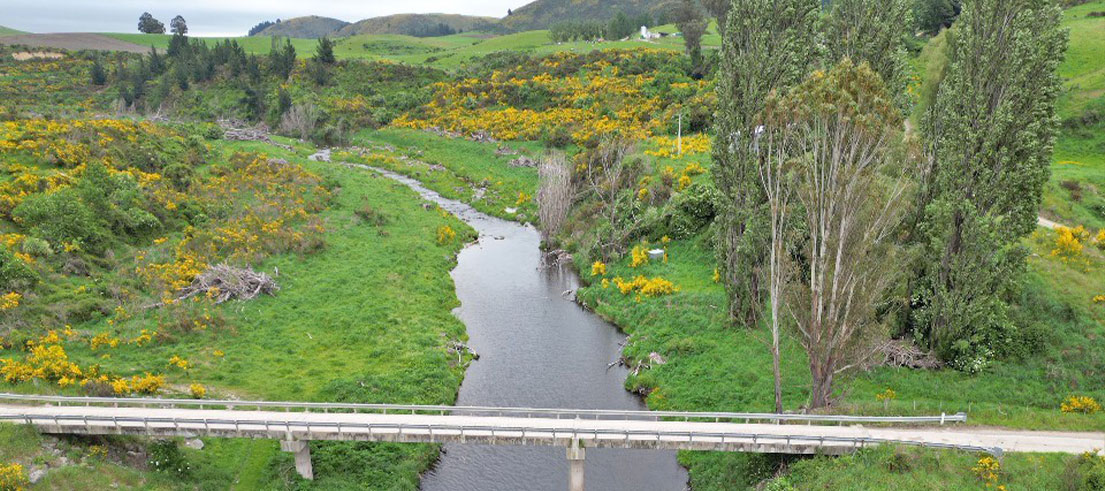
Crack willow removal continues to benefit Waihao River
Long-term efforts to tackle invasive crack willow infestations throughout the Waihao River catchment are continuing, with the project receiving $30,000 in funding from the Canterbury Regional Council (Environment Canterbury) Canterbury Water Management Strategy (CWMS) Fund for 2025/26.
The project, being led by the Waihao Wainono Catchment Community Group, supports the ongoing removal of unwanted willows from the river system to improve river function, reduce flood risks, enhance freshwater health, and protect important infrastructure and productive land.
The group started the project in February 2023 and significant progress has been made since.
Benefits of removing crack willows
Crack willows can significantly affect river systems by restricting flows, trapping sediment, and increasing the risk of damage during flood events. They spread their roots into the riverbed of the Waihao River and their high-water needs reduce flow. Their rapidly decomposing leaves also negatively affect water quality.
The Waihao River project takes a long-term, multi-faceted approach to managing the problem.
Methods include aerial spraying of targeted willow stands, follow-up spot spraying, and the mechanical removal of dead trees where practical.
By reducing willow infestations, the project aims to improve river capacity and flow, helping water move more freely through the catchment during periods of high rainfall.
This will help protect adjacent farmland, roads, bridges, and other critical infrastructure while also supporting healthier freshwater ecosystems.
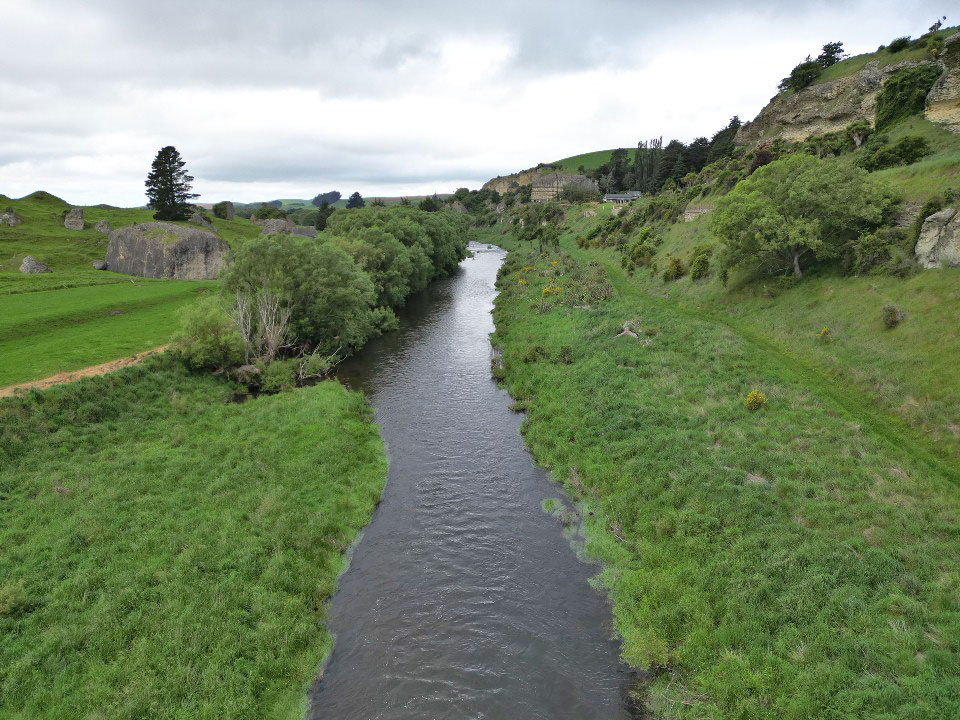
Crack willows have been removed from several stretches of the Waihao River, including the one shown here
How crack willows affect the Waihao River
Waihao Wainono Catchment Community Group chairman Roger Small said a study by Environment Canterbury found that, before the project started, there were 400 hectares of willows up in the catchment that were blocking the river.
"Willows in the right place are ok, but they're crack willows that we're dealing with and when a branch cracks off, they move down stream and start regrowing there. The big goal of this project is maintaining control of unwanted willows, but also, hopefully improving the river's water quality along with that," he said.
Roger said another reason for the project was to protect residents' land near the Waihao River.
He said the work was also helping protect infrastructure like bridges. He remembers a flood in 1986 that uprooted a large number of willows. These trees caused a blockage which made McCulloch's Bridge collapse, produced a surge of water and significant flooding.
Environmental benefits of this work include:
- Improved water quality and quantity
- Increased river clarity
- Reduced nutrient levels in waterways
- Greater biodiversity along riverbanks.
Removing dense willow growth also creates opportunities for native species to establish and thrive, contributing to the long-term ecological health of the catchment.
The project also supports mahika kai values and will help improve the Waihao River's health for future generations.
"Even for people fishing, when there's a whole lot of willows there like these, they are just choking the river up, and it's impossible for them to fish. So, removing willows allows them to do that, as they can get access to the river," Roger said.
Funding and community support for willow removal
Roger said the Waihao River willow removal project "wouldn't have happened without funding and technical advice from Environment Canterbury, support from landowners in the affected catchment, and catchment group members' input."
Roger recognised the incredible effort catchment group member and landowner, Kieran Henshaw and landowner, Bob Sutton had contributed to the project in their roles as facilitator and landowner liaison.
He said the project has received funding from Environment Canterbury every year since it began, both from the CWMS Fund, and the Lower Waitaki – South Coastal Canterbury Zone Committee fund before that.
As willow removal continues across the catchment, the project is expected to deliver lasting benefits for both the environment and local communities, helping build a more resilient and healthy Waihao River system.
Community planting along the Waihao Walkway
The Waihao Wainono Catchment Community Group has also carried out a community planting project around the Waihao Walkway which links the Black Hole and McCullochs Bridge public reserve areas. This was undertaken in 2022 with community and business support after willows were removed from the area by Environment Canterbury staff.
The enhancement of this public reserve area also saw the addition of public toilets, picnic tables and information panels.
To find out more about other projects that received funding from the CWMS Fund, visit: Projects funded by the CWMS fund