
How biodiversity funding is improving Canterbury's environment
Targeted biodiversity funding is making a difference across Waitaha Canterbury, supporting local projects that restore habitats, improve waterways and enhance the natural environment.
Investment in locally led initiatives is helping farmers, landowners and communities protect the environment and strengthening resilience for the future.
Over many years, millions of dollars have been invested in on‑farm and community projects across the region. The outcomes of this work include stabilised hillsides, healthier waterways, restored wetlands and protected habitats.
Protecting unique ecosystems
Biodiversity funding is helping protect habitats found nowhere else.
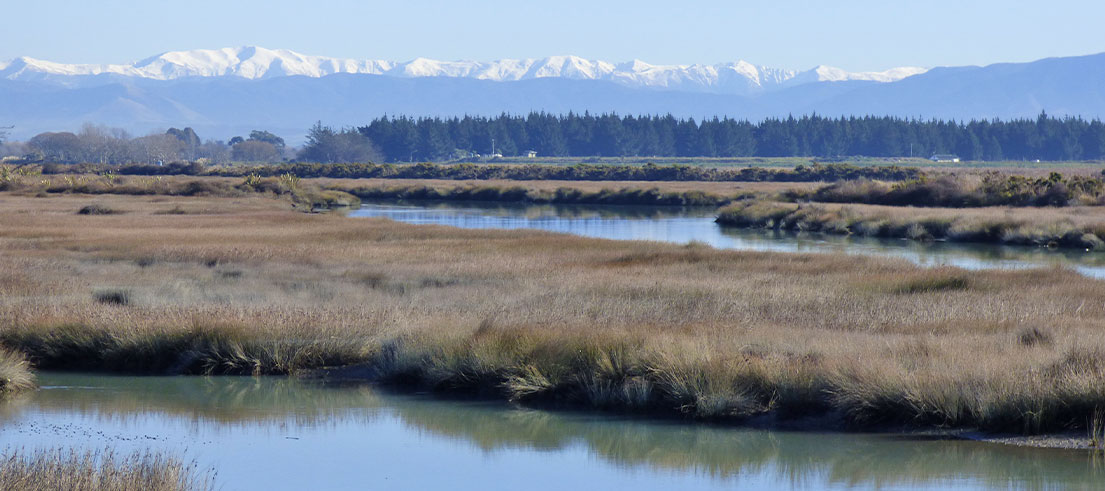
At Te Rauakaaka, near the mouth of the Waimakariri River, ongoing restoration work is protecting wetland and coastal ecosystems that provide vital habitat for endangered species, including the critically endangered matuku‑hūrepo (Australasian bittern).
Funded through the Christchurch/Banks Peninsula Biodiversity Targeted Rate, the project is expanding fenced wetland areas, restoring coastal forest and supporting natural regeneration through weed control. The work is enhancing biodiversity while protecting a site of ecological and community significance.
Long‑term outcomes include increased wetland habitat for native birds, expanded īnanga spawning areas, and improved resilience of coastal ecosystems in the face of environmental pressures.
Preventing future environmental impacts
Investment is also playing a role in protecting Canterbury landscapes from invasive pests.
A recent $2 million boost for wallaby control will accelerate work across at-risk areas, supporting exclusion fencing, expanded control operations, monitoring and landowner engagement. Acting early in affected areas helps protect farmland, native vegetation and wider ecosystems from long‑term damage and escalating control costs.
Supporting local solutions on local land
One of the most wide-reaching examples is the Soil Conservation and Revegetation (SCAR) programme, which supports farmers across Waimakariri, Hurunui, Kaikōura and Banks Peninsula to manage erosion‑prone land.
Through funding and hands-on support, farmers are installing poplar poles to stabilise fragile slopes, fencing off unproductive land to allow native vegetation to return, and establishing on‑farm poplar nurseries to supply future planting. The programme also funds Land Use Capability (LUC) mapping, giving farmers clearer information to guide long-term land use decisions.
Since 2019, SCAR has supported work on more than 160 farms, with over 30,000 poplar poles planted and more than 1,100 hectares of erosion‑prone land retired to allow native reversion. These changes are improving land stability farm by farm, catchment by catchment.
In northeast Canterbury, Mt Palm, a 1,918‑hectare hill country sheep and beef farm in the Amuri Basin, is another example of place‑based funding delivering real benefits. A $10,000 grant in 2025 supported the fencing of waterways and the staged planting of spring‑fed streams, improving water quality and nutrient management while supporting efficient farm operations.
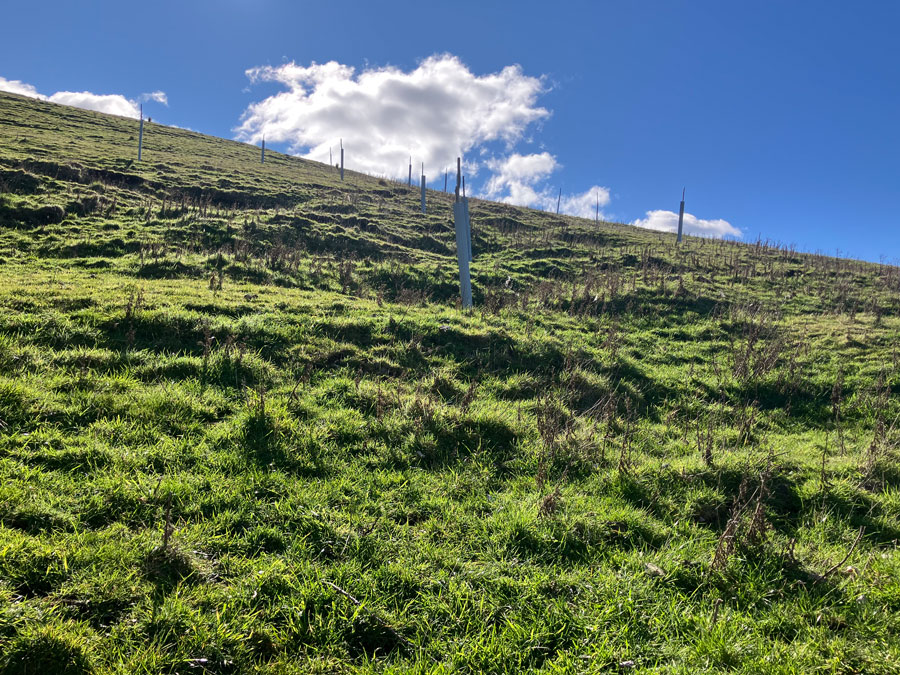
SCAR-supported planting is helping protect Canterbury's erosion-prone hill country
Local stories, regional impact
These projects show how targeted investment can lead to environmental gains. We continue to work alongside farmers and communities to protect land, water and biodiversity in ways that protect the unique character of landscapes in Waitaha.
Protecting Canterbury's biodiversity
Learn about the projects, programmes and partnerships helping protect wetlands, braided rivers, native species and other important ecosystems across Waitaha Canterbury.