
Some simple things you can do to help avoid contaminants getting into our rivers and sea.
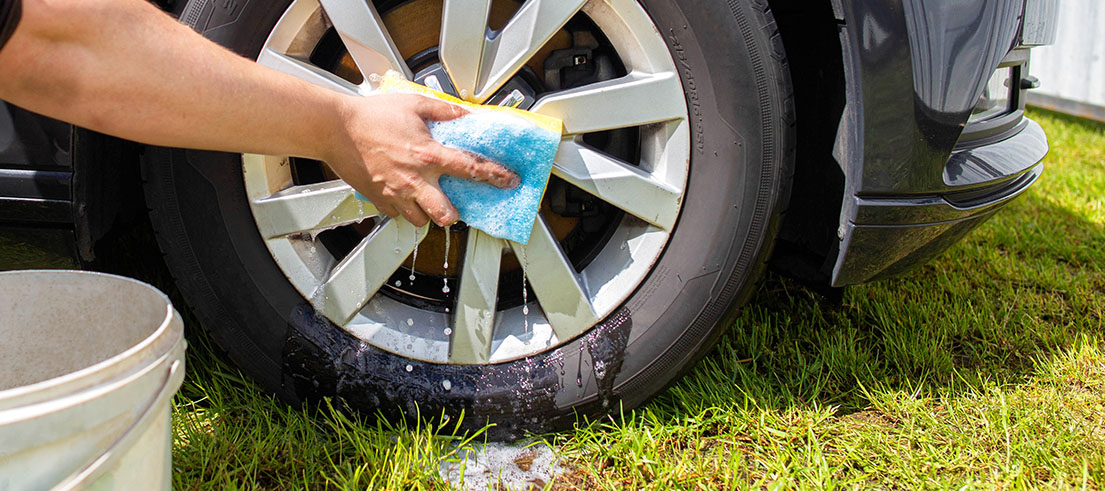
How to wash your car without polluting stormwater
You wouldn’t pour soapy suds in the river, right? Thought not, but when we wash cars on the street or driveway, the dirty water ends up in the same place - our rivers, streams and the sea.
If you’ve been reading the news recently, you may have seen Aucklanders being reminded of the risks that car and vehicle-washing can pose to stormwater, and fines that people and businesses can face for letting water contaminated with detergent enter our stormwater systems.
What is stormwater and why does it matter?
Stormwater is water that runs off roofs, driveways, footpaths, roads, and gardens. On its journey to the drain, it can pick up lots of contaminants (pollution).
With people now coming back from summer holidays with dirty cars and boats, it's timely reminder for Cantabrians that all contaminants used outside, like soaps or detergents, if not handled properly, will flow untreated into streams, rivers and the sea via the stormwater network.
Dr Elaine Moriarty, surface water science manager, says its important for everyone to take responsibility and do their bit to stop pollution getting into stormwater.
"Polluted stormwater flows into waterways and can kill fish like tuna/eels and īnanga/whitebait, aquatic insects, and vegetation – ruining habitats. Even if your property is not close to a waterway you can see - the stormwater is likely to be connected through a network - so it's important for everyone to take care and avoid letting pollutants run into gutters and drains." Dr Elaine Moriarty said.
Is it illegal to let car wash water enter stormwater?
To protect our waterways - there are rules in place to deter people from allowing chemicals and contaminants from getting into our stormwater systems. Individuals found discharging contaminants of any kind, like cleaning products, into the stormwater system could face fines of $1500, while business can be fined $3000.
It’s important to note that Environment Canterbury doesn’t have our own rules around car washing. The relevant piece of legislation is the Resource Management Act (RMA), which guides the protection of the environment across Aotearoa New Zealand.
You won’t find any mention of car washing in the RMA, but it does state that it’s illegal for any person or company to discharge any substance into water, the stormwater system, land or air, unless they have specific permission.
Changes to the RMA in September 2025 resulted in increased penalties for individuals and companies polluting stormwater. The fine individuals faced for contaminating stormwater systems before the September amendment was $750.
Luckily, for residents looking to wash their car at home, you can take a few easy steps to stop stormwater pollution.
How to wash your car without polluting waterways
Wash your car on the lawn, grass verge
The grass and soil absorbs the chemicals from car wash products. This poses very little risk to the health of grass and soil and it stops cleaning chemicals, dirt and grease from entering the stormwater system.
Use minimal detergent
Biodegradable detergents can still pollute the environment as they’re still harmful before breaking down. Use only what you need, and choose products carefully - less soap means less runoff entering the stormwater system.
Use a bucket instead of a running hose
If washing on a sealed surface is your only option, use a bucket and two cloths – one to wash with detergent and one to polish to reduce the amount of water washing away.
Take your car to a commercial car wash instead
Commercial car washes must adhere to their stormwater resource consent with Environment Canterbury, which requires businesses to mitigate effects to stormwater. If you have no other option, divert water away from stormwater drains, ideally onto grass or into the garden, using tools like sandbags.
Other ways to protect stormwater
When you’re at home:
- Put garden waste in your green bin or your home compost and protect soil from rain by covering so that it does not wash into stormwater.
- When using sprays or fertilisers in your garden and around your home, always make sure to use them away from areas where water may run into stormwater grates.
- Keep leaves and other off the driveway and away from the grates. Clear your gutters to keep them free of debris that might make its way into the stormwater.
- When doing DIY, sweep up sawdust and leftover bits and pieces. Ensure scraps and rubbish go in the red bin.
- When painting around the house, wash brushes in the sink, not down the drains outside.
- Service your vehicle. Oil is extremely harmful to aquatic life and our waterways, so it’s important to stay on top of regular services. Ensure oil is not leaking from your car.
When you’re out and about:
- Pick up litter and put it in the right bin.
- If you have a dog, pick up their poo and put it in the rubbish bin (red bin in Christchurch). Dog poo contains harmful bacteria that we don’t want to end up in our rivers and sea.
- If you see sediment, dirt or chemicals going into the drains, or tracked onto the road, take photos and report an environmental incident online or for urgent issues call the 24/7 hotline on 0800 765 588
Prevent stormwater pollution and protect Canterbury’s waterways: Find simple actions you can take to keep stormwater clean.