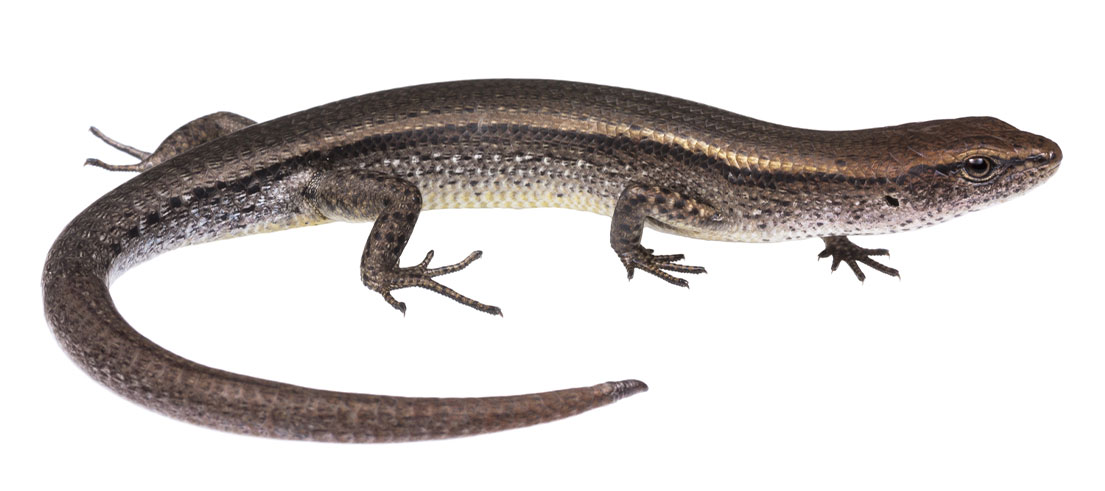
Plague skink sighting in Canterbury: How to identify and report it

While we welcome visitors to Waitaha Canterbury, some can cause harm to our native plants and animals. A plague skink has recently been found in Ōtautahi Christchurch. Keep an eye out and report any sightings to help stop its spread and protect our native skinks.

Plague skinks, also known as rainbow skinks, are an introduced lizard from Australia. They can spread quickly and compete with our native skink species for food and habitat. 

Risk of these animals arriving in Canterbury mainly comes from people moving gardening material like potted plants, and freight from Marlborough and the North Island - where these Australian skinks have established. 

What does a plague skink look like?

Plague skinks can look similar to native skinks and particularly difficult to identify from our native grass skinks, but there are a few key differences: 

  • Often seen basking boldly in open areas during the day, such as decks, stones, paths or near buildings 
  • Small brown lizard with a shiny, rainbow‑like or metallic sheen on its scales in bright light 
  • A dark brown stripe along each side of the body
  • Pale silver or grey belly 
  • The key identifying feature is the single diamond‑shaped scale on the top of the head. Native skinks have two smaller scales in the same position. 

For more information, refer to DOC's webpage, and MPI's notice

Why plague skinks are a threat to native wildlife

Plague skinks (Lampropholis delicata), sometimes called rainbow skinks, were first recorded in New Zealand in Auckland in the 1960s. They are thought to have arrived accidentally in cargo and have spread gradually through the North Island. 

More recently, they have been found in Marlborough, increasing the risk of spread into Canterbury through freight, plant movements, and transported materials. 

Their rapid reproduction and aggressive nature allow them to outcompete New Zealand's vulnerable native lizards for food and habitat. 

High‑risk areas include:

  • Plant nurseries and garden centres 
  • Freight and transport hubs 
  • Building materials, pot plants, and outdoor furniture moved between regions.

What to do if you see a plague skink

If you think you’ve seen a plague skink, please report it. Early reporting helps our biodiversity team respond quickly to stop the spread and protect our native species.