
Older than the dinosaurs: rare kanakana spotted
A flash of bright blue in the Waimakariri River gave Environment Canterbury staff a rare glimpse of one of Aotearoa New Zealand's most ancient and mysterious native fish.
While carrying out routine water quality monitoring, Environmental Monitoring Technician Anna Casey spotted a kanakana (lamprey) still showing the silver-blue colouring it carries at sea.
The sighting was unusual because kanakana usually turn brown within days of entering freshwater, meaning this one had only recently left the ocean and was beginning its upstream journey to spawn.
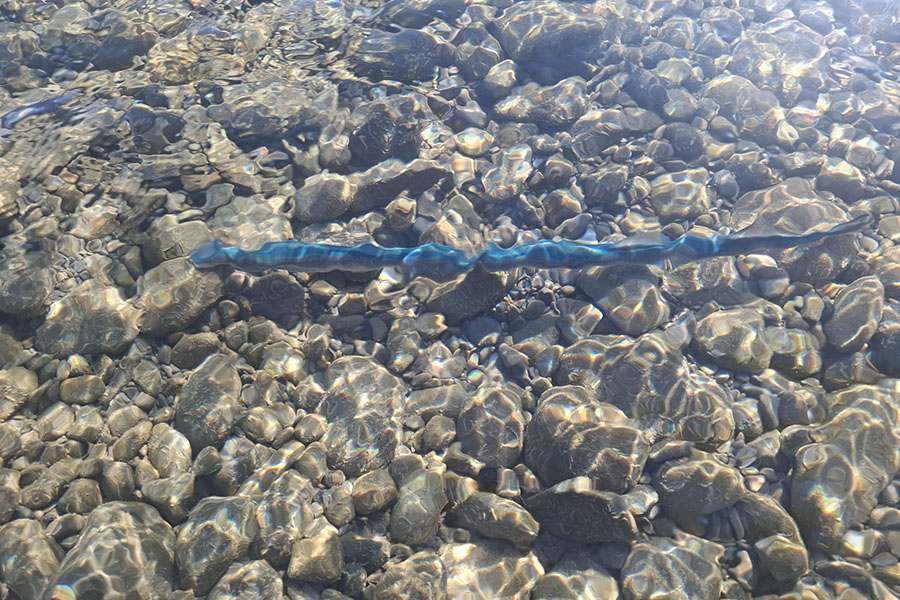
The Kanakana found in Waimakariri river
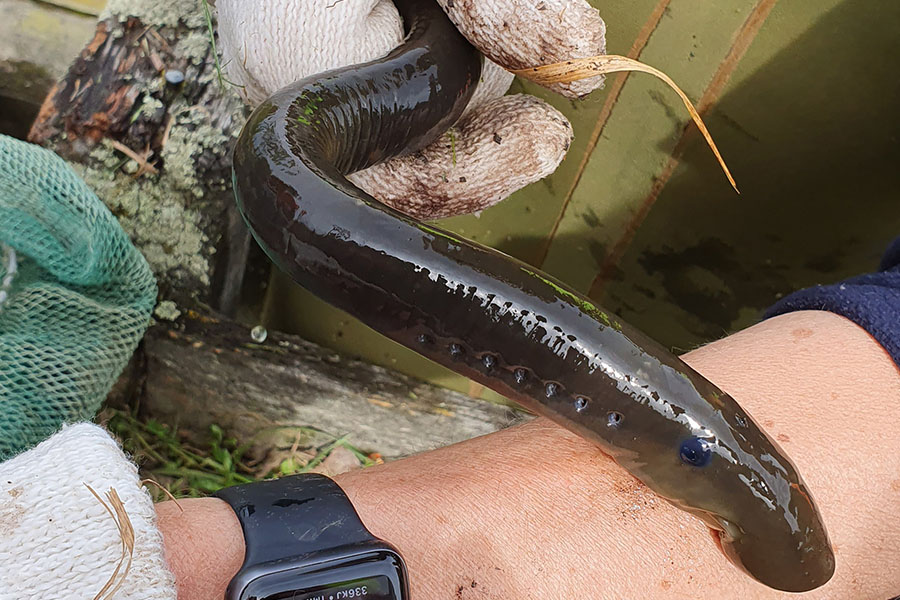
Adult Kanakana
An ancient native fish under threat
Kanakana have existed for more than 360 million years, long before dinosaurs walked the Earth, but their future in New Zealand's rivers is far less certain.
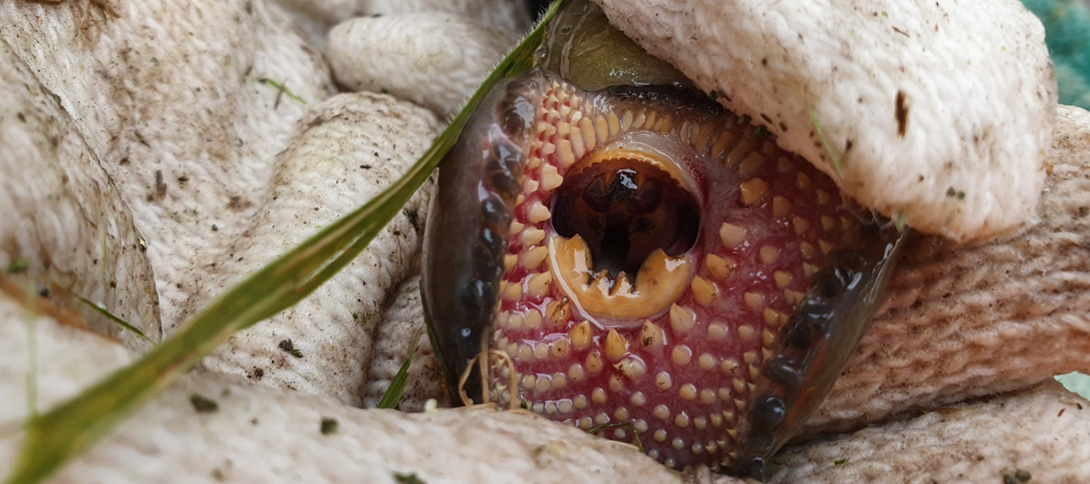
Despite often being mistaken for eels, kanakana are more closely related to sharks and stingrays. With their eel-like bodies, suction-cup mouths and ancient appearance, they're one of New Zealand's most unusual native fish.
Once common in rivers across Aotearoa New Zealand and an important taonga and mahinga kai species, kanakana are now classified as Threatened – Nationally Vulnerable. They face growing pressures from habitat loss, declining water quality and barriers that make it harder to migrate between freshwater and the sea.
Kanakana spend most of their lives at sea, where their silver-blue colouring helps camouflage them in the open ocean. When it's time to breed, they return to freshwater rivers and streams to spawn. Spotting one that was still blue offered a rare glimpse of the very beginning of that remarkable migration.
Why healthy waterways matter
For Anna, the sighting was a career highlight.
"As someone who spends a lot of time out in Canterbury's waterways, finding a kanakana is very exciting," she says.
"Since starting at ECan I had been hoping to catch a glimpse of one, but I never thought I would see one that was still blue."
For Anna, the discovery is also a reminder of what lies beneath the surface of Canterbury's rivers and why healthy waterways matter.
"Finding a kanakana really drives home the importance of protecting our waterways, so people now and in the future get to experience seeing these awesome fish in their natural environment like I did," she says.
"A decline in the health of our waterways doesn't just affect us. It affects the species that call them home. Looking after and improving these environments helps ensure our native fish have the habitat they need to live and thrive."
Monitor the health of your local stream
Just as Anna's discovery revealed what can be found beneath the surface of our waterways, the Stream Health Monitoring Assessment Kit (SHMAK) gives communities, schools and landowners the tools to better understand their local streams and rivers.