
What's driving Waitaha Canterbury's air pollution?
Improving air quality starts with knowing where pollution comes from, and which actions will make the biggest difference.
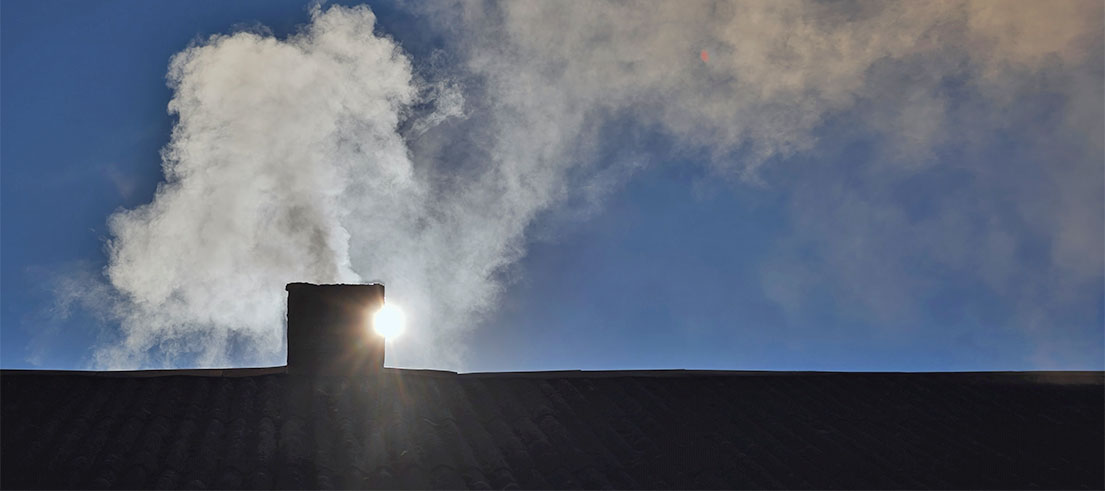
In Waitaha Canterbury, home heating has historically been the main source of winter air pollution in many towns and cities. Smoke from wood burners and open fires releases fine particles into the air, including PM10 and PM2.5, which can affect people’s health.
That is why home heating has been a major focus of our air quality work for many years.
Why winter smoke is an important focus
Team Leader Climate and Air Quality Science Angie Scott said information we collect on sources helps us understand which ones are producing the most pollution. This is whywe target some activities more than others.
“This may be because it is a very large source of pollution or because there are lots of smaller sources that collectively, cause poor air quality.
“One smoky chimney may not seem like a big issue on its own, but when many households are lighting fires on the same cold, still evening, the combined effect can be significant.”
Cleaner heating rules, burner replacement requirements, education campaigns and support for better burning practices have helped improve air quality across Waitaha.
“We have seen real improvements compared with the past, thanks to years of effort by households, councils and communities,” Angie said. “But winter smoke still affects air quality in some areas, so it remains an important focus.”
Other sources of air pollution also matter
While home heating has been a key source of winter pollution, it’s not the only activity that affects the air we breathe.
Other sources include transport, industry, outdoor burning, road dust, construction, earthworks, agricultural activities, sea salt and wind-blown dust.
“Different places have different air quality challenges,” Angie said.
“Home heating may be the main issue on cold winter nights, while dust can be more important during dry, windy conditions. Understanding those differences helps us target the right solutions.”
Some sources of local air pollution are also linked with greenhouse gas emissions. For example, industries that burn coal can release both air pollutants and greenhouse gases. Switching to cleaner energy sources, where appropriate, can help improve local air quality and reduce emissions.
“While Air quality and climate change issues are often dealt with separately, emissions to air can cause air pollution and contribute to global warming. ,” Angie said.
“Reducing combustion emissions for example, can deliver more than one benefit, including cleaner air locally and lower greenhouse gas emissions.”
Why weather makes a difference
Weather also helps explain why air quality can change from day to day.
Emissions are what is released directly into the air from a source, such as smoke from a chimney, exhaust from a vehicle, or airborne dust particles from bare land.
Concentrations are what we measure in the air at a particular place and time. These measurements include emissions from multiple sources that have dispersed and mixed with the surrounding air.
On cold, calm nights, pollution can become trapped close to the ground and cause poor air quality. On windy or unsettled days, concentrations are likely to be lower because the emissions are more readily dispersed. That means you can have similar emissions on two different nights, but very different air quality results depending on the weather,” Angie said.
“High pollution daysin winter are often strongly influenced by overnight weather conditions.”
Targeting action to improve air quality
We use air quality monitoring, emissions information and science advice to track trends and identify where action is needed.
This evidence helps inform regional planning, public education, compliance work, and collaboration with councils, industry and communities.
“Good air quality management depends on good information,” Angie said.
“By understanding where pollution comes from, and how it behaves in the air, we can focus our efforts where it will make the biggest difference.”
Everyone has a role to play, from using dry wood and keeping fires smoke-free, to reducing dust and supporting cleaner transport and industry. Small changes, made by many people, can add up to cleaner air for our communities.