Our performance in 2025/26 – how did we do?

Ā mātou paearu mahi 2025/2026 - he pēhea ngā mahi?

Waitaha Canterbury is New Zealand’s largest region, being more than 44,500km² in area. It extends from north of Kaikōura to the Waitaki River, and from Banks Peninsula to Aoraki Mount Cook.

The region has diverse and iconic landscapes and ecosystems, including alpine and high-country tussock lands, major lakes and braided river systems.

Population: The estimated resident population of Waitaha Canterbury is 698,200, the second most populous region after Auckland. The population is unevenly distributed, with 60 per cent of people living in Christchurch, and 80 per cent in Greater Christchurch (Christchurch City, Waimakariri and Selwyn districts).

Papatipu Rūnanga: Waitaha Canterbury lies wholly within the takiwā of Ngāi Tahu, with 10 of the 18 Papatipu Rūnanga that govern Te Rūnanga o Ngāi Tahu located within our regional boundaries. Our shared vision with Ngāi Tahu is integrated through the Council’s work and is based on recognising the relationship between Ngāi Tahu and their ancestral lands and waters, which are inextricably linked to the work we do and the joint aspirations we have for our community.

Territorial local authorities: There are 10 territorial local authorities in the Canterbury region: the Ashburton, Hurunui, Kaikōura, Mackenzie, Selwyn, Timaru, Waimakariri, Waimate and Waitaki District Councils, and the Christchurch City Council.

How we performed in 2025/26

Local Government in New Zealand is facing its most significant reform since 1989. The proposed changes will reshape how councils are structured, how we manage the environment and how we respond to the needs of our region.

Our approach to change

As these reforms take shape, we are proactively working to understand what they mean for our work and for the communities we serve – including the operational and governance risks the reform programme creates. To coordinate this work across the organisation, we established a Strategic Transition Programme in 2025/26. 

Our region is unique and the overarching aim is to ensure that Waitaha Canterbury’s voice is heard so the reforms deliver long-term benefits for our communities and the environment. Until the new legislation takes effect, we are committed to upholding our statutory responsibilities and delivering on the commitments in our Long-Term Plan.

36

Service measures

33

Achieved

3

Not achieved

0

Not measured

From the Chair and Deputy Chair | Tā te Tiamana, tā te Tiamana Tuarua

It is a privilege to present this Annual Report – the first of this term, and the first under our leadership as Chair and Deputy Chair. When this Council was elected, we committed to bringing councillors together and leading in a way that reflects the diversity of experience, perspectives and communities across our region. This report reflects on the year that has passed, the progress made for Waitaha Canterbury, and the approach that will guide our work through to 2028.

A defining feature of the past year has been leading our response to reform driven by the Central Government, including significant Local Government reorganisation and resource management reform. While at the time of writing, the outcome of this process remains uncertain, we are proud of the way that we, as the Council, have responded. We have clearly made our case to the Government and officials that through reform, we must ensure the work that we do to manage the environment continues.

Waitaha Canterbury is New Zealand’s largest region and the South Island’s economic engine. Across 44,500 square kilometres we are responsible for flood protection networks of enormous scale, complex water management, public transport, environmental stewardship and biosecurity – issues that do not stop at territorial boundaries and are not well served by being managed in fragments.

That is the heart of the case we have made throughout this year’s debate about the future shape of Local Government. The question is not simply how many councils there are, but whether the functions that protect the environment, our communities and our economy are delivered at the right scale, with the right expertise, and close enough to the people and places they affect.

The Government’s confirmation in May 2026 that regional councils will continue to deliver non-resource management and operational responsibilities through to October 2028 gave communities and councils much-needed clarity. We will keep demonstrating the value of regional governance the only way that ultimately matters - by making sound decisions, working constructively with our partners, and delivering the outcomes the people of Waitaha Canterbury rely on.

Throughout this period of change, our partnership with Papatipu Rūnanga has held steady, marked this year by the signing of our refreshed Tuia Agreement. For Ngāi Tahu, connection to the mountains, rivers, wetlands and coast of Waitaha Canterbury is a matter of whakapapa, and that intergenerational knowledge makes our decisions on freshwater, biodiversity and catchment health more durable. Our commitment to that partnership, and to our Te Tiriti o Waitangi responsibilities, remains firm regardless of how legislative frameworks evolve.

This year required careful stewardship of public finances. Households, businesses and communities continue to face real economic pressure, and we have a responsibility to balance immediate needs against long-term sustainability. Taking this into consideration, we significantly lowered the rates increase to 2.4 per cent for 2026/27, against the 17.2 per cent originally planned.

That meant choices about prioritisation: some work was deferred, some paused, and opportunities were weighed against competing demands. These decisions were not made lightly. We remain committed to responsible governance, keeping the organisation focused on the work that delivers the greatest benefit to our communities.

We continued to strengthen our foundations for the future: investing in public transport improvements, including New Zealand’s first lightweight electric double-decker bus; securing stronger relationships with Government on flood protection and resilience including repairs, upgrades, and flood capacity improvements across the region; and progressing climate resilience and environmental stewardship, including implementing our Climate Action Plan. These are practical investments that will benefit Waitaha Canterbury for decades.

Above all, we want Waitaha Canterbury to be recognised as a region where leadership, informed by local knowledge and strong partnerships, delivers lasting results for the people and places we serve. When we look after the land and the water, we look after everyone who depends on them.

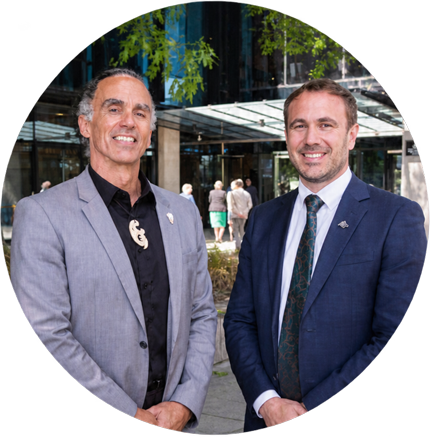
Dr Deon Swiggs, Chair

Iaean Cranwell, Deputy Chair

From the Chief Executive | Tā te Tumu Whakarae

Over the past year, four key themes stood out to me:

  • building long-term environmental resilience including biodiversity, biosecurity and flood protection;
  • improving public transport and accessibility;
  • delivering on-the-ground environmental outcomes;
  • and maintaining stability and affordability while navigating central government reforms.

While the challenges facing our region continue to evolve, so too does our commitment to kaitiakitanga (stewardship), partnership and long-term thinking.

On the ground, our environmental work continued to deliver real results. Restoration projects across the region, including at Te Waihora Lake Ellesmere, are improving habitats, supporting biodiversity and contributing to healthier waterways and landscapes – work we’re building on through a refresh of the Canterbury Biodiversity Strategy. We also made strong progress on biosecurity, investing in wilding conifer control and reducing wallaby numbers for the fourth consecutive year. Alongside this, we improved our regulatory functions, reducing the consent application backlog and making our consenting service clearer, faster and more predictable.

Significant progress was also made strengthening flood protection, including three new stopbanks designed to contain flows to the south branch of the Rangitata River during floods. We’ve strengthened emergency preparedness to help communities adapt to future risks, reflecting our commitment to working with territorial authorities not only when disaster strikes, but also through the planning, training and community engagement that builds resilience before emergencies happen. These investments are about protecting people, places and livelihoods, while ensuring Waitaha remains a region where communities can thrive.

This year also saw continued progress in public transport, with improvements designed to make services more accessible, attractive and responsive to changing community needs. This included Waitaha becoming the first region to introduce Motu Move, the National Ticketing System, allowing people to use one card or app to pay for public transport anywhere in the country, making it simpler for our communities to travel. Reliable public transport supports economic opportunity, reduces emissions and improves connectivity across the region. It also gives our communities resilience when the unexpected happens, as we saw clearly during this year’s fuel crisis.

Partnership has remained central to our work. We continued to strengthen our relationship with Papatipu Rūnanga and build our internal capacity to work effectively alongside mana whenua – ensuring our decisions reflect their values, knowledge and aspirations.

Delivering this work also meant balancing investment with affordability. Through careful prioritisation and disciplined financial management, we operated well within the budgets set in the Annual Plan 2025/26, delivering all our services, while meeting 33 out of 36 service measures. This reflects our responsibility as stewards of public resources and our determination to deliver value for the communities we serve.

2025/26 was also a year of significant reform activity across local government. We engaged directly with the Government’s resource management reform, making submissions on the Planning Bill and Natural Environment Bill that will replace the Resource Management Act 1991, while managing the practical transition already underway, including the automatic extension of thousands of resource consents. Alongside our submissions on proposals to simplify local government and related changes, we established a Strategic Transition Programme to coordinate this work and manage the risks it creates for our organisation.

The Annual Plan 2026/27 will ensure continued investment in essential services while limiting the total rates revenue increase to 2.4 per cent. Our priorities for the coming year include protecting and enhancing natural resources, supporting safe and reliable transport, strengthening resilience to climate change and natural hazards, and maintaining strong partnerships with mana whenua, local authorities and communities.

I thank everyone who has contributed their expertise, ideas, time and energy over the past year. Protecting our environment and our community, and building resilience, is not a short term task – it requires sustained investment, collaboration and a willingness to plan for generations. Together, we are building a more resilient, sustainable and connected Waitaha.

"We know that this is a continuous journey and that there is always more we can do for this region we all call home, but as we close the chapter on another year, we thank you and look ahead with bold ambition and a clear strategy to achieve our vision." 

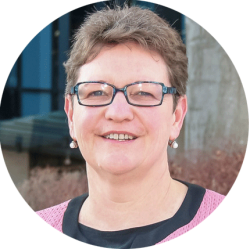
"We know that this is a continuous journey and that there is always more we can do for this region we all call home, but as we close the chapter on another year, we thank you and look ahead with bold ambition and a clear strategy to achieve our vision," Dr Stefanie Rixecker, Chief Executive

Find out more about our work

Current Annual Report

Previous Annual reports


For paper copies of the full Annual Report, please contact our advisory team.

Quarterly reports