

Pilot project to address dust issues in McLeans Island area
We undertook a pilot project to gather better information and data about dust levels in the McLeans Island area. The feedback period for receiving reports about dust through our web-based reporting tool has ended.
We know dust is a serious concern for many residents in the McLeans Island area.
Most complaints in the area have mentioned quarrying as the source of dust and we work closely with these operators to ensure all practical measures are taken to lessen the effect of this work.
The pilot aimed to better understand the community’s experience of dust, collect data from a variety of sources and ultimately help reduce resident’s exposure to dust and improve their quality of life.
By gathering further data through this pilot, we will have a clearer picture of where dust is originating, which could also include sources such as the Waimakariri River.
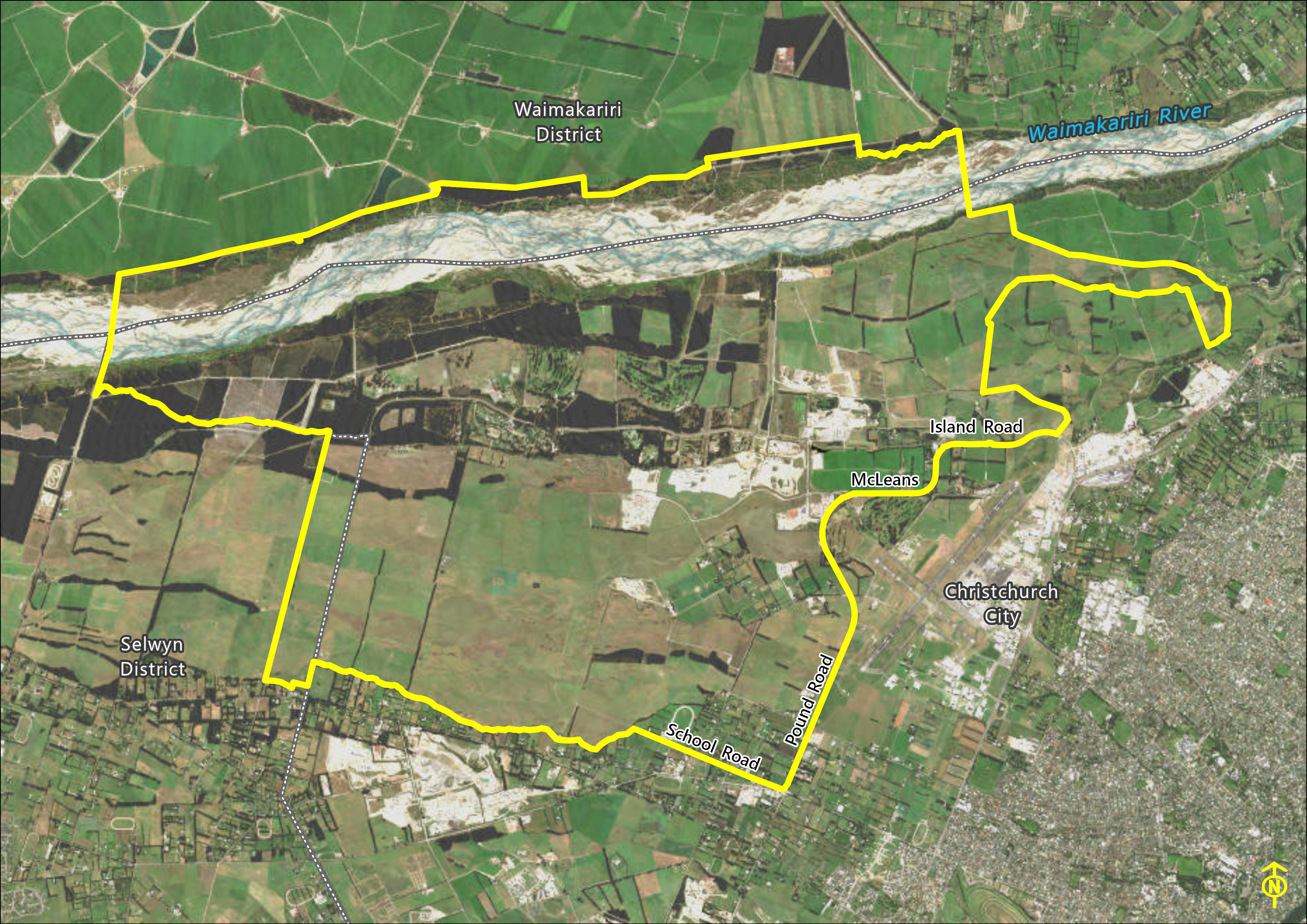
Project area
Pilot project results
The period for receiving reports about dust through our web-based reporting tool has ended.
During the March 2021 feedback period, we received a total of 23 reports through the app and completed a total of 59 proactive discharge-to-air assessments.
Week one:
Five reports through the app from two unique addresses.
Resource Management Officers attended two dust reports, completed twice daily observations to better understand what is happening in the area and dust sources, completed 12 proactive discharge-to-air assessments, and substantiated no quarry sites as dust emitters during the evaluations.
The wind was observed to be predominantly in a north-easterly direction in the field during this period.
Week two:
Four reports through the app from three unique addresses.
Resource Management Officers completed 9 proactive discharge-to-air assessments. No quarry sites were substantiated as dust emitters during the evaluations.
The wind was observed to be predominantly in south and north-easterly directions in the field during this period.
Week three:
20 reports through the app from six unique addresses.
Resource Management Officers made three visits to sites where dust reports were received.
A total of 17 proactive discharge-to-air assessments were completed, seven of which recorded the wind blowing from a northeast direction. No quarry sites were identified as dust emitters.
How is dust regulated?
Under the Resource Management Act 1991, the primary responsibility for managing air quality lies with regional councils and unitary authorities.
We developed the Canterbury Air Regional Plan with the community’s valuable input. The plan sets out how we are going to manage air pollution, including from dust, to help meet national air quality standards.
Dust can be caused by places such as buildings, demolition and clean-fill sites, subdivisions under development, vehicles driving on unsealed surfaces, land cultivation, ports and quarries.
Measures in the air plan include requiring a dust management plan or consent depending on the scale of dust-generating activity and continuing to monitor and require operators who discharge dust to implement good dust management practices or gain consent depending on the scale of dust-generating activity.