
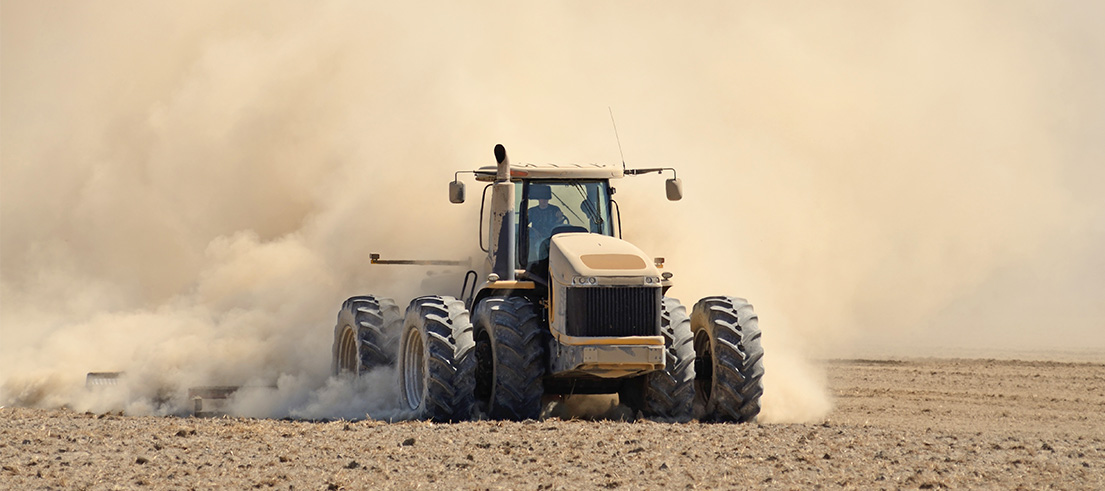
Strengthening El Niño prompts call to prepare
A strengthening El Niño weather pattern could bring dry, windy conditions to parts of Waitaha Canterbury over the coming months, increasing the risk of water shortages, wildfires, low river flows and toxic algal blooms.
Canterbury Regional Council (Environment Canterbury) is encouraging residents, farmers, growers and lifestyle block owners to prepare now, while river users are being reminded that alpine-fed rivers can rise rapidly even when the weather is fine downstream.
Although El Niño is often associated with drought in Waitaha, the effects can be much broader depending on timing, and where you live.
Impacts will also vary across the region and not every community will be affected in the same way.
How El Niño could affect our region
Eastern parts of the region, particularly Banks Peninsula, North Canterbury and the Canterbury Plains, are more likely to experience dry conditions and strong northwesterly winds. This may cause lower river flows and groundwater levels, decrease pasture growth, impact habitats and ecosystems, improve conditions for some pest plants, and reduce water quality. Some areas may also experience increased issues with dust and heightened fire risk.
At the same time, more rainfall than usual is forecast in the Southern Alps. This is good news for water levels in our alpine fed rivers and hydro lakes, but can create a hazards for water users when rivers rise quickly, even when the weather is fine downstream. It’s important to check for any flood warnings or advisories before heading out, even if it’s sunny where you are.
Councillor John Sunckell, a third-generation farmer with 40 years on the land, said prolonged dry conditions can have significant environmental and community impacts.
Lowland streams and foothill-fed rivers, such as the Selwyn and Hinds, can come under pressure as rainfall decreases and groundwater levels fall.
"There’s a real possibility of some streams drying up, and that creates challenges for the plants and animals that depend on them," Cr John Sunckell said.
Dry conditions can put significant pressure on farming systems. When pasture growth slows, farmers may require supplementary feed or have to reduce stock numbers.
Councillor Sunckell said while irrigation has changed how some farms experience dry conditions, dryland properties remain vulnerable when rain doesn't arrive. The challenge can deepen if dry conditions continue into a second year and farms enter winter with depleted feed reserves.
"Spring growth may help farms through the first season, but it’s the second year that can create the biggest challenge. You need to think about what your reserves look like and how you’ll get through if conditions persist."
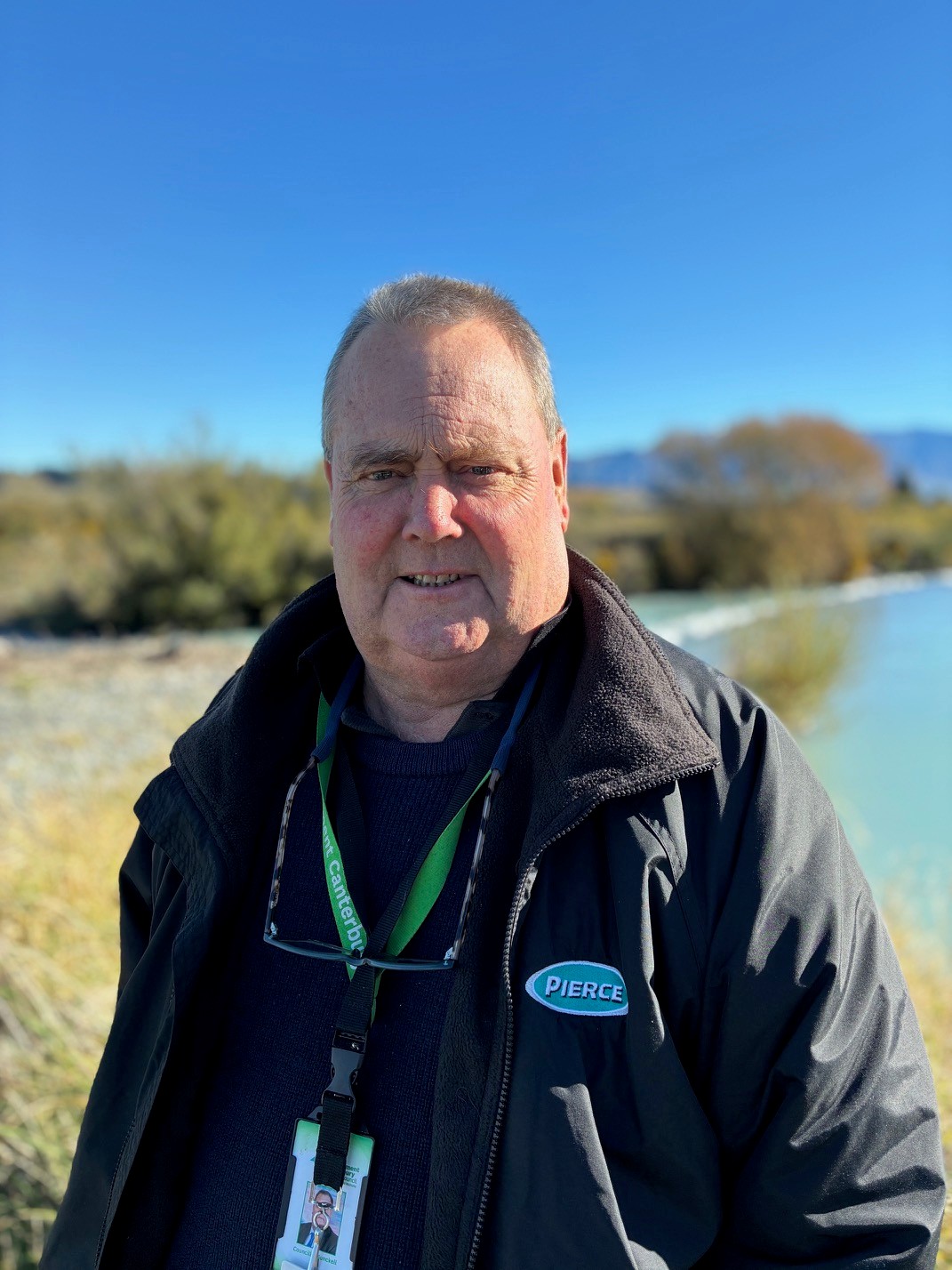
Councillor John Sunckell
The community impacts beyond the farm gate
Councillor Claire McKay, who has been farming in North Canterbury since 2000, experienced this firsthand during the dry conditions of 2014-2016, when a medium-scale adverse event was declared across the eastern South Island. Waimakariri and Hurunui were particularly affected, experiencing near-record low annual rainfall.
On her own farm, supplementary feed was bought to protect the herd, some cows were culled early because of irrigation restrictions and the milking season ended about six weeks earlier than usual. Setting decision dates and sticking to them helped the farm respond before options narrowed.
"The mental and financial stress was significant," she said.
"Businesses were unprofitable, with costs exceeding income. Buying additional feed added to costs, and much of it had to be funded through borrowing. I remember farmers having to take on additional work off-farm to make ends meet."
“People talk about farmers being resilient, but a brave face doesn’t mean all is well,” Cr Claire McKay said.
These additional costs and difficult decisions can place financial and mental pressure on farming families, staff and the rural businesses that support them.
She also recalled communities banding together during previous droughts, with industry organisations coordinating feed deliveries and providing practical advice and opportunities to talk.
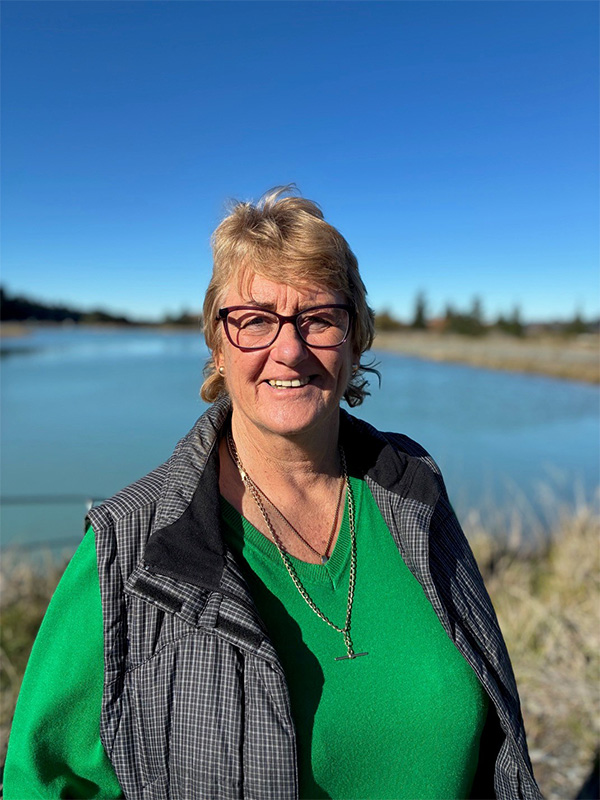
Councillor Claire McKay
What Environment Canterbury is monitoring
Environment Canterbury monitors rainfall, river flows, groundwater levels and water quality to help communities understand changing conditions and prepare.
Preparation is underway for possible irrigation restrictions, increased toxic algal bloom risks, fish strandings, marine heatwave and other pressures on freshwater ecosystems. We are also supporting wildfire preparedness across our regional parks.
Our flood monitoring team operates around the clock and will continue watching alpine rivers, which can rise quickly after rain in their headwaters. Flood warnings are published on our website and Facebook page.
Councillor John Sunckell said alpine-fed rivers such as the Waimakariri and Rangitata could benefit from northwesterly rain in the mountains, but that rain could not be taken for granted.
“People who rely on those water sources need to keep track of what’s happening. If the rain doesn’t arrive in the mountains, those rivers can also get low and restrictions can become a challenge,” he said.
El Niño weather preparation tips
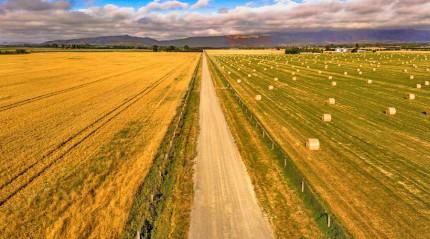
Farmers and growers
- Review dry-weather plans, feed reserves, stocking rates and budgets
- Set clear dates for making decisions
- Check irrigation equipment, available water volumes and restrictions
- Monitor rainfall, local soil moisture, river flows and groundwater information
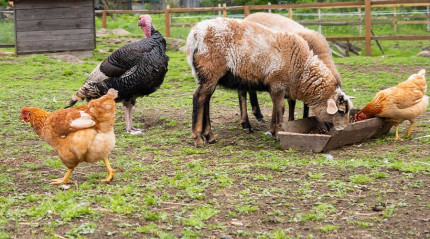
Lifestyle block owners
- Check water supplies and plan for stock feed and animal welfare
- Identify vegetation and combustible material around your property that could increase fire risk
- Make a plan for prolonged hot, dry and windy conditions
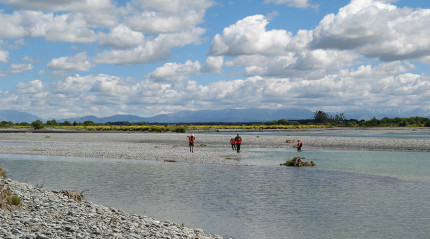
Residents and visitors
- Understand your drinking water source and follow advice from your supplier
- Check water quality and health warnings before swimming
- Check river conditions, even when the local weather is fine
- Follow Fire and Emergency New Zealand’s advice and check fire restrictions before lighting a fire or undertaking activities that could cause sparks.
Planning ahead for dry conditions
There is still time to prepare.
Farmers, growers, lifestyle block owners and residents can prepare by understanding the risks most relevant to their area and making a plan before conditions become difficult.
Consider the risks on your property
Councillor Sunckell encourages landowners to consider feed reserves, water supplies and stocking rates early, while they still have options.
"Having extra feed set aside has an upfront cost, but it can give you greater certainty and reduce the pressure later. You don’t want to be competing for expensive feed when everyone needs it at the same time."
Lifestyle properties and small blocks can be particularly exposed, with less equipment or flexibility to buy feed or move stock.
Planning is especially important for people who have bought rural properties in recent years and have not experienced a prolonged dry season.
For irrigators, he recommends checking equipment is operating efficiently and thinking about how available water will last across the season.
Look after people as well as properties
Councillor McKay recommends developing robust budgets, considering several options for managing dry conditions and setting clear dates for making decisions.
"Delaying a decision by another week can make a significant difference as a drought develops," she said.
She encourages landowners to understand local soil moisture conditions, follow Environment Canterbury's monitoring information, consider everyday ignition risks, including mowing or driving vehicles through long, dry grass, and check in on family, staff and neighbours when things get tough.
"Panic slowly,” she said. “It's about preparing now to manage those risks and make yourself as resilient as possible.
"The more prepared we are as households, businesses and communities, the better placed we'll be to manage whatever summer brings," Cr Claire Mckay said.
Find more information and support
- Learn what El Niño could mean for Waitaha/Canterbury
- Check current river flows
- Check irrigation restrictions
- Check swimming water-quality information
- Check river and lake health warnings
- Check fire restrictions and fire-safety advice
- Find rural wellbeing and practical support
- Find on-farm advice for the dairy industry