
Understand the regulations for whitebait fishing
As whitebait season begins, fishers are being reminded to know the rules, respect the rivers, and be considerate of others using Waitaha Canterbury’s waterways.
Whitebaiting is an important source of kai and a valued tradition for many whānau and communities. Following the rules helps protect native fish and river environments, while supporting a safe and fair season for everyone.
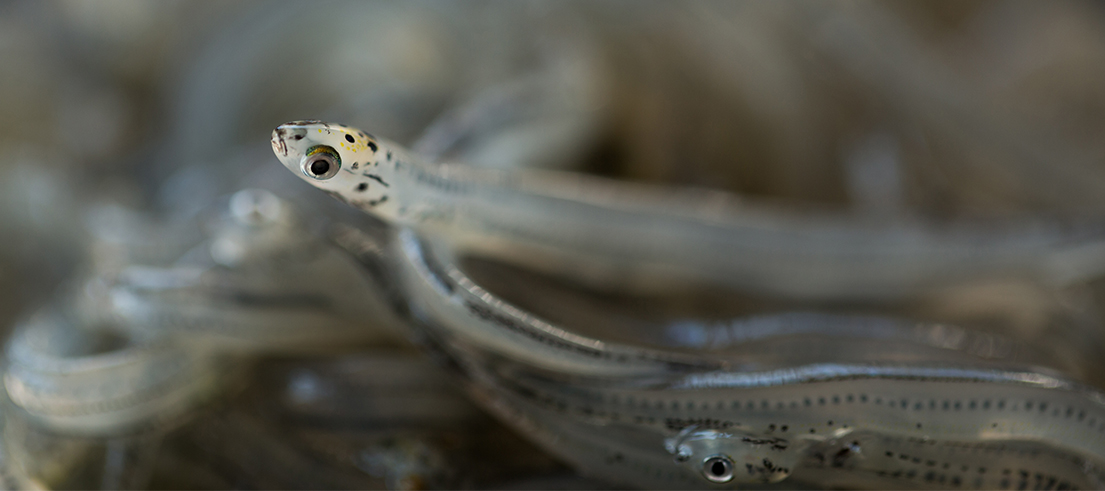
Whitebait are the juveniles of six species of fish. Four of the six New Zealand whitebait species are classified as at risk or threatened.
Whitebait fishing regulations were revised in 2021 to improve the sustainability of the species.
The Department of Conservation (DOC) is responsible for managing whitebait fisheries.
Whitebait fishing season dates
The whitebait fishing season runs from 1 September to 30 October, inclusive nationwide (except for the Chatham Islands). On the Chatham Islands, the season runs from 1 December to the last day of February inclusive.
Customary whitebait fisheries in Waitaha Canterbury are managed by Papatipu Rūnanga o Ngāi Tahu, with support from local and central government agencies. Ngāi Tūāhuriri has placed a rāhui over its customary whitebait season until further notice.
Respecting the Ngāi Tūāhuriri rāhui
The rāhui follows concerns about the safety and wellbeing of whānau participating in the customary fishery. The rāhui provides an opportunity for the hapū to review its processes and protocols, engage with whānau, and uphold the values and responsibilities associated with customary rights and mahinga kai.
Whitebaiters are asked to respect the rāhui, be considerate of others using Waitaha Canterbury's waterways, and help ensure everyone can enjoy the season safely and responsibly.
Our role in whitebaiting regulations
As a regional council, we manage the licensing of what are commonly known as "stands". A stand is any structure authorised to fish for whitebait under the Resource Management Act (RMA) 1991.
Our main interest is ensuring these structures don’t interfere with waterway ecosystems and our flood management infrastructure.
Protecting waterways
In Canterbury, permanent and temporary structures are not allowed to be built on the bank or bed of a waterway.
Our Team Leader Compliance Support, Steve Firth said structures can cause ‘serious environmental impacts’ and have been an issue previously.
"Structures can change the hydraulics of the river and cause bank destabilisation, flood risk, and sediment issues, which impacts the habitat of native plant and animal life," he said.
"Concrete plinths, wooden platforms, and pallet jetties are some of the structures that have been removed in the past.
"We ask all whitebaiters to fish from the bank without the use of structures. Doing this creates an equal opportunity for everyone fishing in the community and will avoid action being taken under the RMA."
Planning to whitebait in the Waimakariri District?
The lower reaches and mouths of the Ashley Rakahuri and Waimakariri rivers are popular whitebaiting locations during the season.
With many people using these areas at the same time, whitebaiters are encouraged to plan ahead, follow local rules, and be considerate of others using the river environment.
If you are heading out for the season, please note that freedom camping and overnight camping are not allowed on beaches or sand dunes covered by the Northern Pegasus Bay Bylaw, including Kairaki Beach. Please plan to stay at an approved camping area or other accommodation.
Key rules for the use of stands
-
Permanent and temporary structures are not allowed to be built on the bank or bed of a waterway.
-
You must not fish within 20 metres of any: tide gate, floodgate, confluence, culvert, weir, groyne, outfall structure, or unlawful diversion. You’re also not allowed to fish from any bridge or vessel.
-
Screens are the only device allowed to divert whitebait into a net. They are limited to three metres maximum length, except from a stand where fishing gear length (including screens, nets, pulleys, ropes etc) is a maximum of six metres.
Visit the DOC website for more whitebaiting rules and regulations. If you have specific whitebaiting questions, email whitebait@doc.govt.nz.
Warning about detergent and outdoor burns
At this time of year, we remind whitebaiters not to use detergent or cooking oil in the waterways.
"It is illegal to discharge these products as they can be very harmful to river ecology and the fish that live there," Steve said.
"Most people are doing the right thing but, for those that aren’t, we want to ask them to comply with the regulations to protect the environment and avoid fines."
How do I report issues?
For questions or concerns about whitebait fishing activity, contact DOC on 0800 362 468 (DOC HOT).
To report a temporary or permanent structure in a river, contact Environment Canterbury on 0800 765 588 or report an environmental incident online.
If there is an immediate risk to someone’s safety or property, call 111.
Find out more information
-
Visit DOC’s website for a summary of whitebait fishing regulations.
-
Read the Whitebait Fishing Regulations 2021 on the New Zealand Legislation website.
-
View information on using regional parks.