
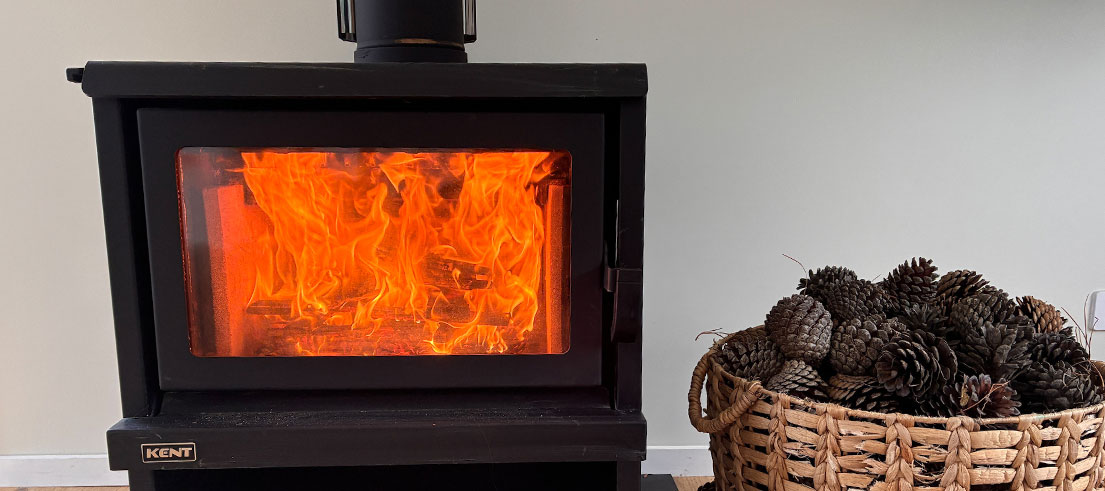
We can’t control the weather, but we can control winter smoke
Waitaha Canterbury generally has good air quality for much of the year, but winter remains a challenge in some communities.
On cold, still nights, smoke from chimneys and flues drifts downwards where it can be trapped by cold air and accumulate. Still weather conditions and local geography can limit how much the air moves, preventing the smoke from dispersing.
Environment Canterbury Principal science analyst Teresa Aberkane said winter air quality is shaped by a mix of factors.
“Some things, like weather and geography, are outside our control,” Teresa said.
“We cannot change a cold, still winter night. But we can reduce how much smoke goes into the air in the first place.”
Home heating is the main source of winter air pollution
That’s why home heating remains one of the most important areas of focus when it comes to improving Canterbury’s winter air quality.
We monitor air quality across the region, with monitoring stations in areas where winter pollution is likely to be an issue. This gives a clearer picture of where smoke is building up, how air quality is changing over time, and whether actions to reduce pollution are making a difference.
“The long-term trends show improvement, which is encouraging,” Teresa said.
“But winter home heating pollution remains a key challenge, particularly in places where smoke can become trapped close to the ground.”
How households can help improve air quality
As a Regional Council, we are responsible for regulating some of the activities that affect air quality, including solid-fuel burners, industrial discharges and outdoor burning. Rules, monitoring and support schemes all play a part in reducing pollution.
But community choices matter too.
The way people heat their homes has a direct impact on local air quality. Older burners, damp wood, poorly maintained fires and poor lighting techniques can all release more fine particles into the air. These fine particles are small enough to be breathed deep into the lungs and can affect people’s health, especially those with asthma, respiratory conditions or heart conditions.
Teresa said small actions across many households can make a real difference.
“Every smoky fire adds to the problem, but every cleaner-burning home helps reduce it,” she said.
“If more households use dry wood, burn hotter and cleaner, maintain their burners or switch to cleaner heating where they can, the benefits add up across the community.”
Reduce smoke and save on heating costs
There are practical steps households can take to reduce smoke, improve heating efficiency and lower energy costs. This includes:
- using dry, well-seasoned wood,
- getting burners checked and maintained,
- keeping fires burning hot and bright
- considering cleaner, more efficient heating options where possible.
Support may also be available for eligible households through cleaner heating subsidy schemes, helping reduce the cost of switching to a cleaner heating option.
Canterbury’s air quality has improved over time, but winter smoke remains an issue we can all help reduce.
“We can’t control the weather, but we can control what we put into the air. That is where we can make the biggest difference,” Teresa said.
Looking for ways to stay warm for less? Our Warmer Cheaper website is packed with practical ways people can keep homes warmer while reducing smoke and saving money.