
Waterblasting roofs and protecting stormwater
Waterblasting safely helps protect our waterways and wildlife. Take these simple steps to prevent stormwater pollution during waterblasting.
Why good practice matters
Cleaning your roof with a waterblaster may help it look good, but if it’s not done properly, it can send harmful contaminants straight into rivers, streams and the ocean.
When dirty wash water flows into stormwater drains, it is not treated and can carry pollutants directly into waterways.
Roofs, whether painted or not, contain various contaminants such as heavy metals, including lead and zinc. When these contaminants are washed from roofs during waterblasting, they can enter stormwater drains and flow untreated into waterways.
Roofs are one of the biggest sources of zinc pollution in urban stormwater. Research presented by Water New Zealand found that up to 81% of zinc in urban stormwater can come from roofs.
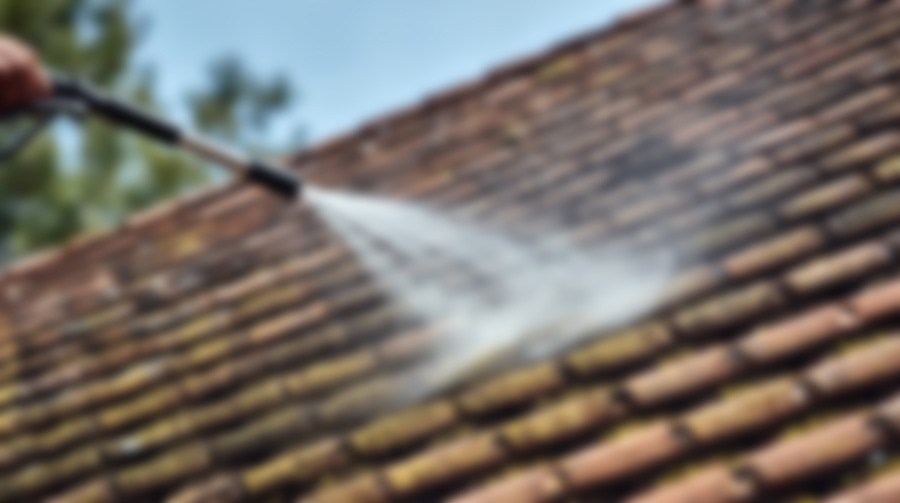
Waterblasting can wash pollutants into stormwater drains
Tips to protect stormwater when waterblasting
When waterblasting, it’s important to take steps to contain all wastewater for proper disposal. Disposal options include discharge to the sewer or collection by a commercial waste contractor.
Individuals and businesses should keep a close eye on all containment systems regularly throughout the operation.
Prepare the work area
- Block outlet pipes from affected stormwater sumps and use a submersible pump to transfer wastewater to the sewer.
- Set up temporary barriers or ground sheeting to contain wastewater (and fragments) close to the work area and stop it from flowing across hard surfaces.
- Protect affected stormwater drains with filters or containment, such as filter cloths over the grate, wool socks, bunding, sandbags or hay bales. Maintain these controls throughout the job and collect trapped solids for red bin disposal.
- Enclose the work area with netting or fine mesh to prevent windblown debris.
Manage wastewater
- Consider using waterblasting methods that capture wastewater, such as a vacuum recovery system.
- Do not divert wastewater onto gardens or lawns, as it can contaminate soil.
- If possible, disconnect downpipes and direct wastewater to a holding tank, the sewer where permitted, or collection by a licensed liquid waste contractor.
- If downpipes cannot be disconnected, block the downpipe and contain the wastewater for disposal to the sewer where permitted or collection by a licensed liquid waste contractor.
- If needed, drill a temporary hole in the gutter or downpipe above the blockage to direct wastewater into contained storage, then seal the hole with a grommet when the work is complete.
- Ensure there is no wastewater discharge to neighbouring properties.
Prevent spills
- Use sandbags or a portable bund in roadside gutters to prevent accidental spills and runoff from entering stormwater drains.
- Keep a spill response kit nearby, including a shovel, broom, and rags, to clean up residues.
What to do if pollutants enter stormwater
If wash water enters the stormwater system:
- Stop work immediately.
- Do not wash or hose waste material into a stormwater drain.
- Contact us on 0800 324 636 as soon as possible.
- Arrange for a sucker truck to empty the affected sumps to help prevent environmental pollution.
Know your responsibilities
Our compliance team have been alerted to businesses and individuals in Waitaha Canterbury waterblasting roofs without adequate stormwater protection.
Although we prefer to use an educational approach for a start, through New Zealand law, we can apply infringements when contaminated water from houses, roofs, or cars enters stormwater.
This can result in infringements of $1500 for individuals and $3000 for businesses.